



 The source for international yachting & marine news


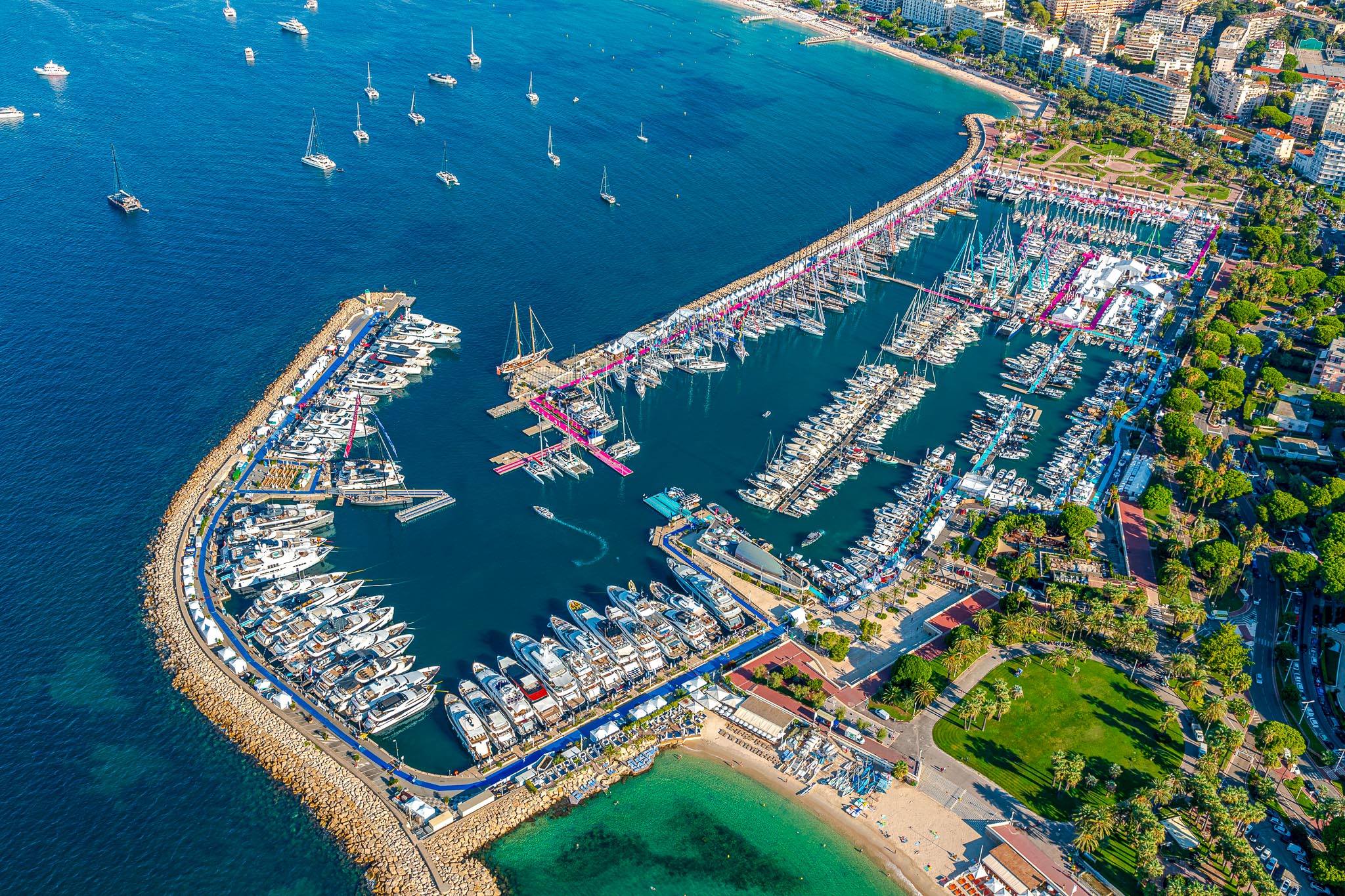
Sustainability and efficiency are two crucial themes for the nautical sector, and the Innovation Route is the project through which the Cannes Yachting Festival selects, starting from 2024, the innovations capable of indicating a change for the industry.
For the 2026 edition, a jury of six experts has chosen 47 innovations from 120 applications. The selection will take shape in an exhibition route between Vieux Port and Port Canto, while 12 finalist projects, divided into four categories, will compete for the Innovation Route Awards.
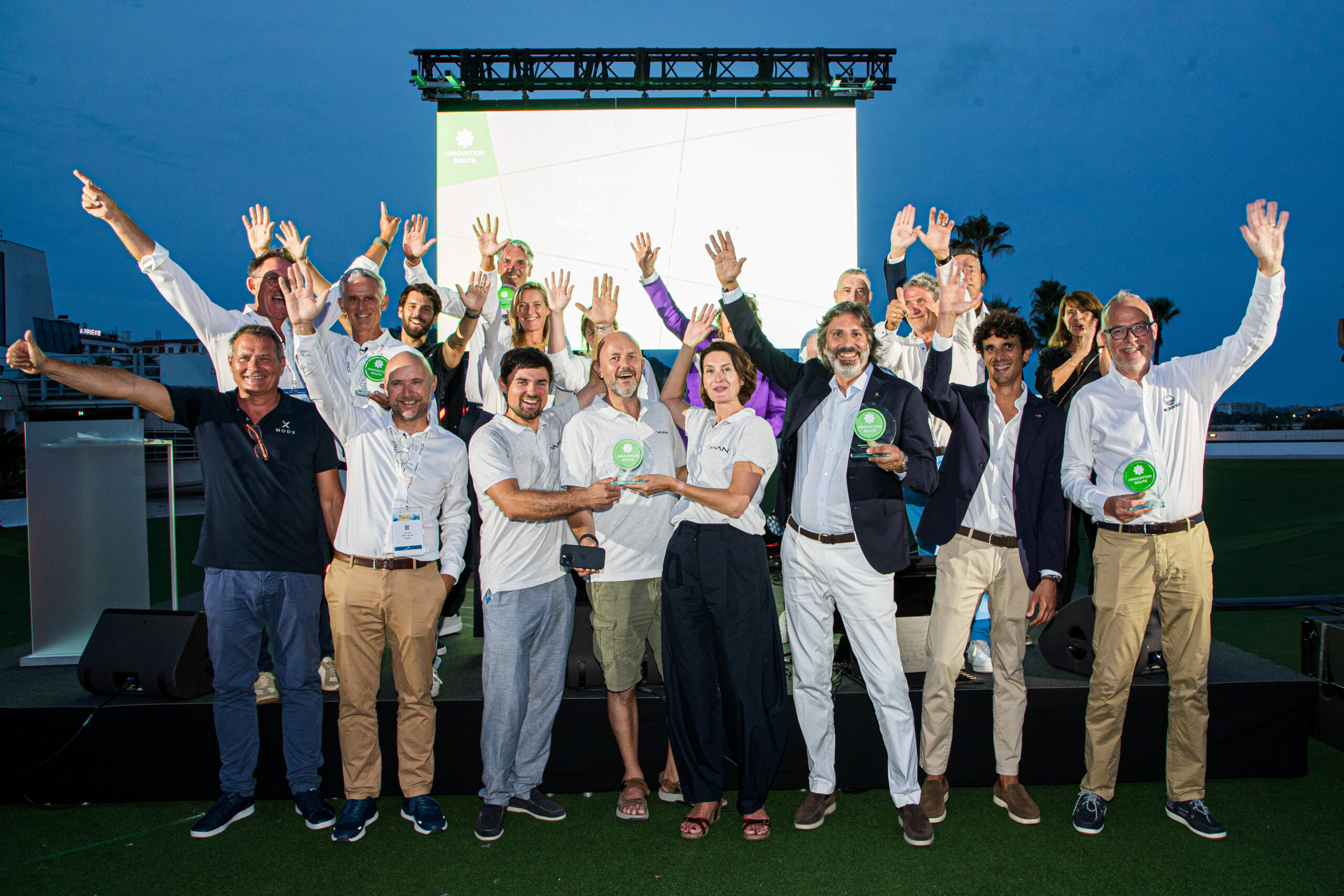
The four winners will be announced on September 8, during the opening day of the Show, and will receive a trophy made by France Hélice. A special jury prize will also be awarded.
From the exhibition route to the Innovation Route Awards
For the Cannes Yachting Festival, the Innovation Route has carved out a recognizable space in the international panorama of nautical innovation in its first two editions. The evolution of the project has also consolidated its role. Starting in 2025, the Innovation Route Awards will accompany the exhibition route, entrusting a jury of experts with the task of identifying the most relevant projects among those selected.
A function that Constance Brément, director of the Cannes Yachting Festival, links to the same mission of the Show: “The role of the Cannes Yachting Festival is to enhance the attractiveness of yachting and inspire visitors. Promoting the future solutions and initiatives of our exhibitors is therefore a natural priority.”
“The selection – she continues – among 47 projects divided between boats, equipment, and services testifies to the deep commitment of the entire sector towards a more responsible recreational boating, without giving up the pleasure of navigation.”
Consumption, performance, and marine protection
Today, the pleasure of navigation also depends on the ability to reduce consumption and make the energy transition concrete, while simultaneously improving performance, equipment, and safety, without losing sight of marine protection and biodiversity.
These are precisely the directions along which the selected innovations move: propulsion systems and energy management, technologies dedicated to navigation, and initiatives aimed at protecting marine ecosystems.
Among the examples highlighted by the Festival are the Whisper 52, an electric solar catamaran, the foiling sailboat Skaw A, and the customized propulsion system VEEM, which the manufacturer claims reduces consumption by 18%. On the biodiversity front, D-Marin proposes the Biohuts, artificial habitats installed under the docks to promote the restoration of marine fauna in ports.
Innovation Route Awards: the 12 finalist projects
Among the 47 selected innovations, the jury identified 12 finalists, three for each of the four categories of the Innovation Route Awards. Below are the nominations:
Best equipment to improve navigation
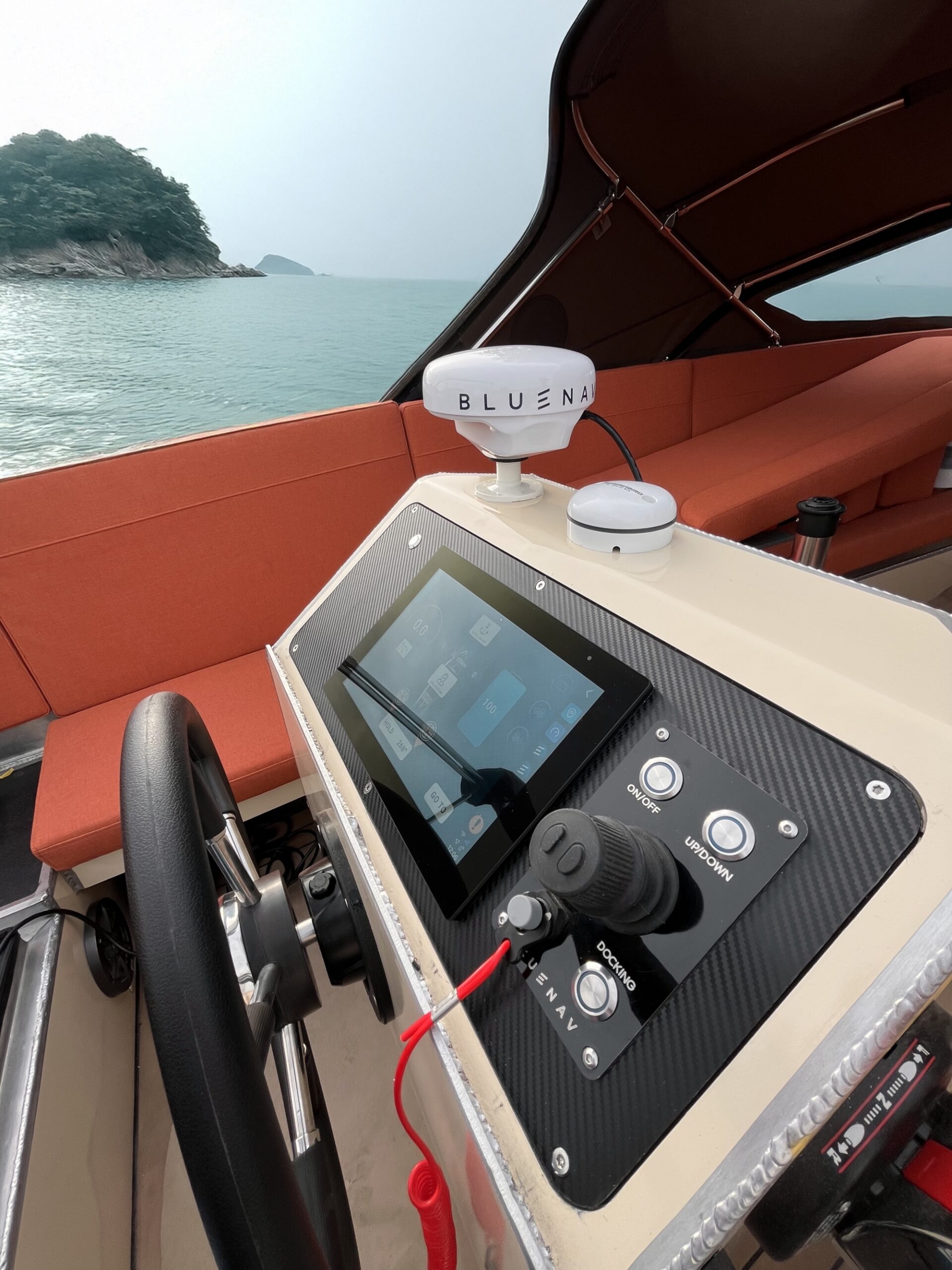
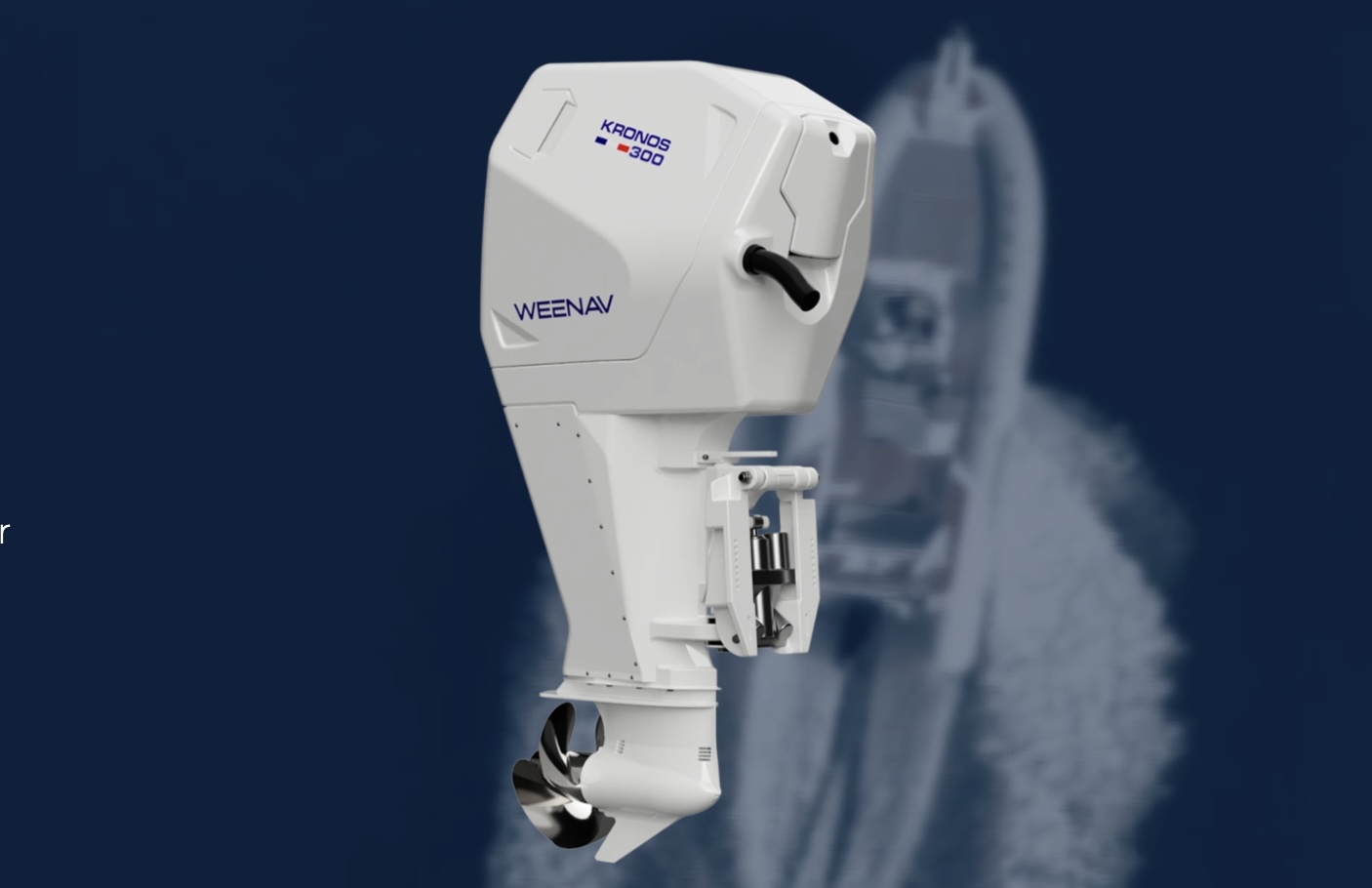
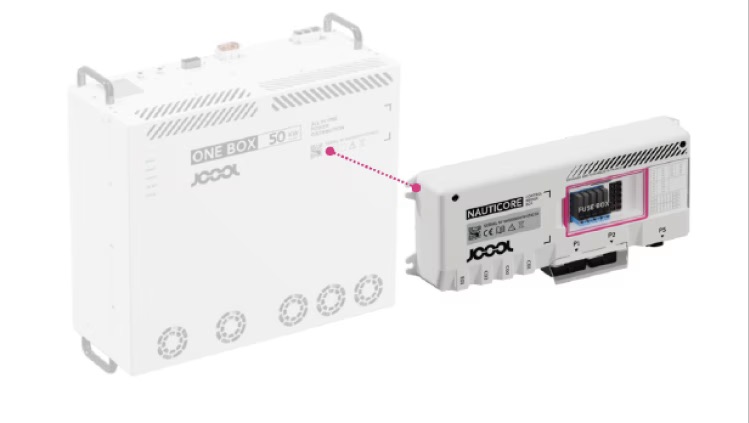
BLUENAV – Smart Mooring
WEENAV – Kronos.
JOOOL – OneBox Platform
Best sustainable product
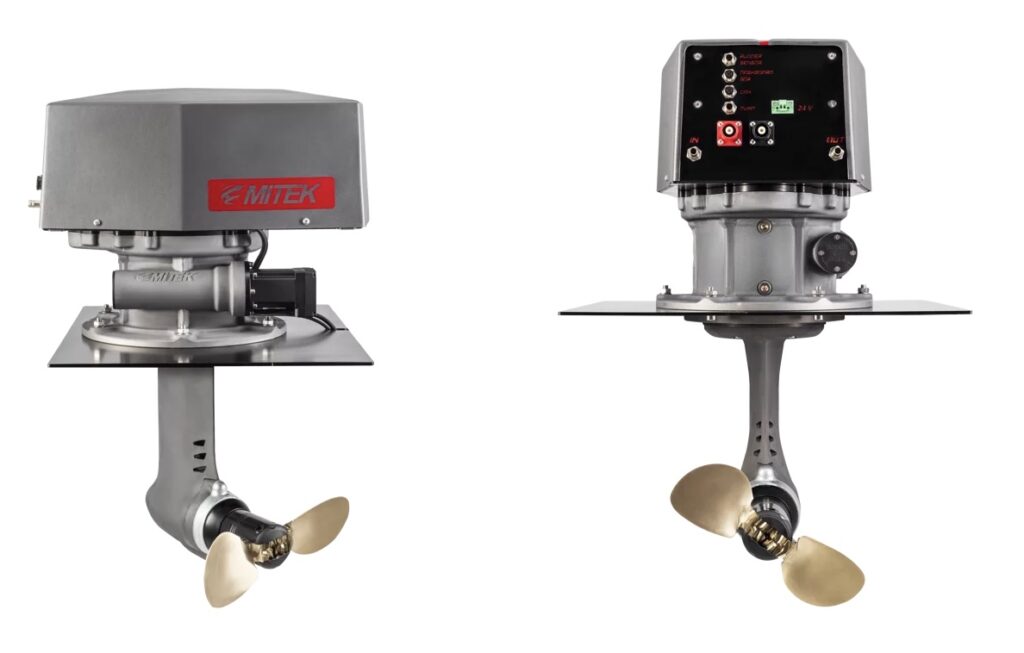
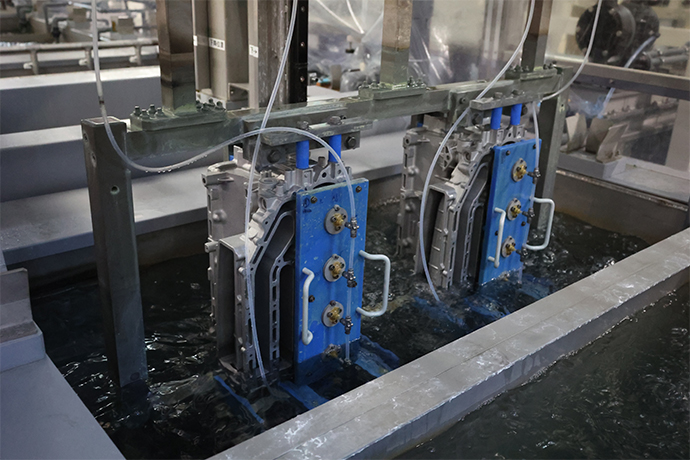
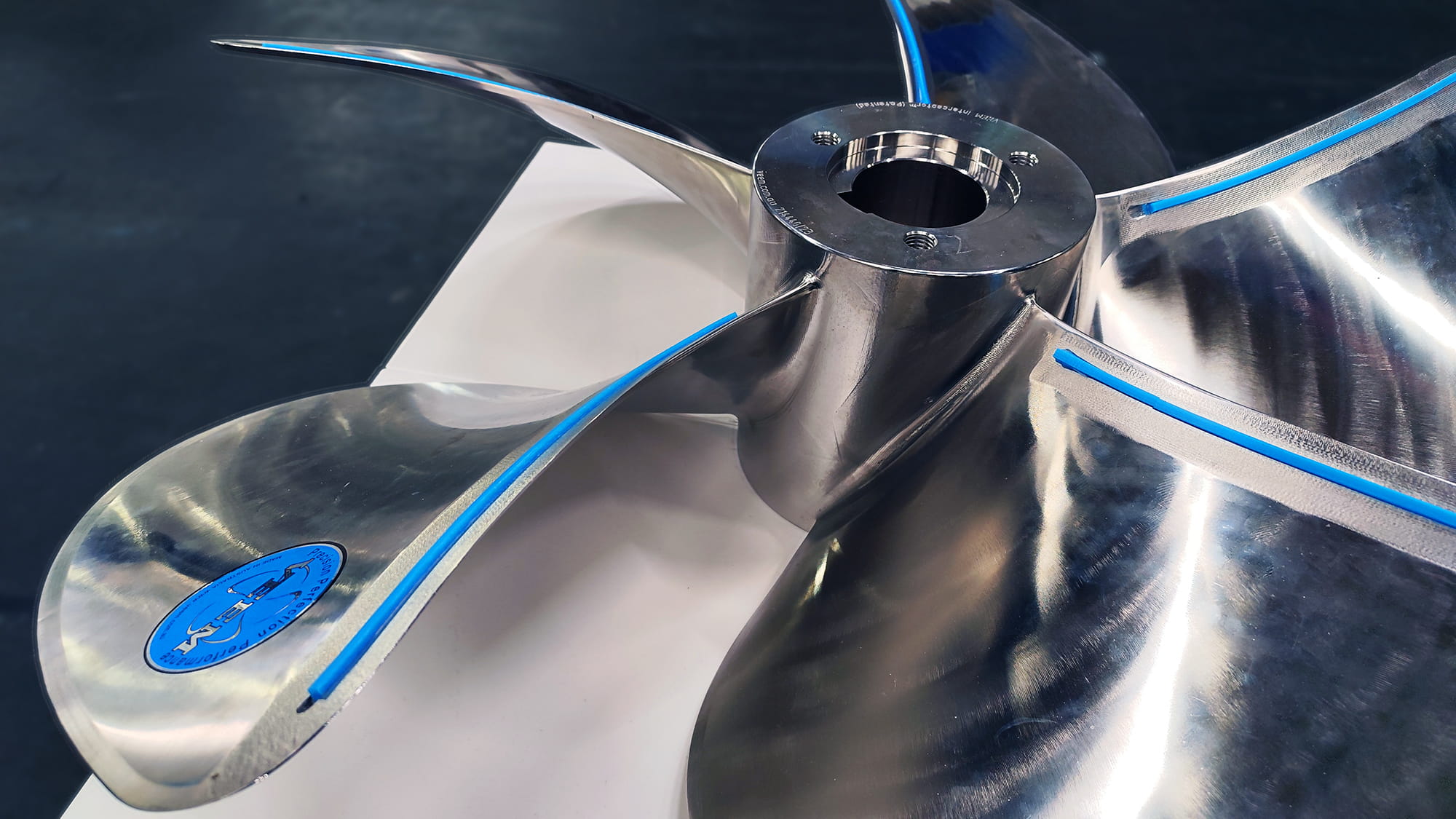
TBS MARINE – VEEM Extreme Propulsion System
MITEK SARL – Mitek Rotative Saildrive
SUZUKI MARINE – Suzuki Edge eCoat
Best innovative boat
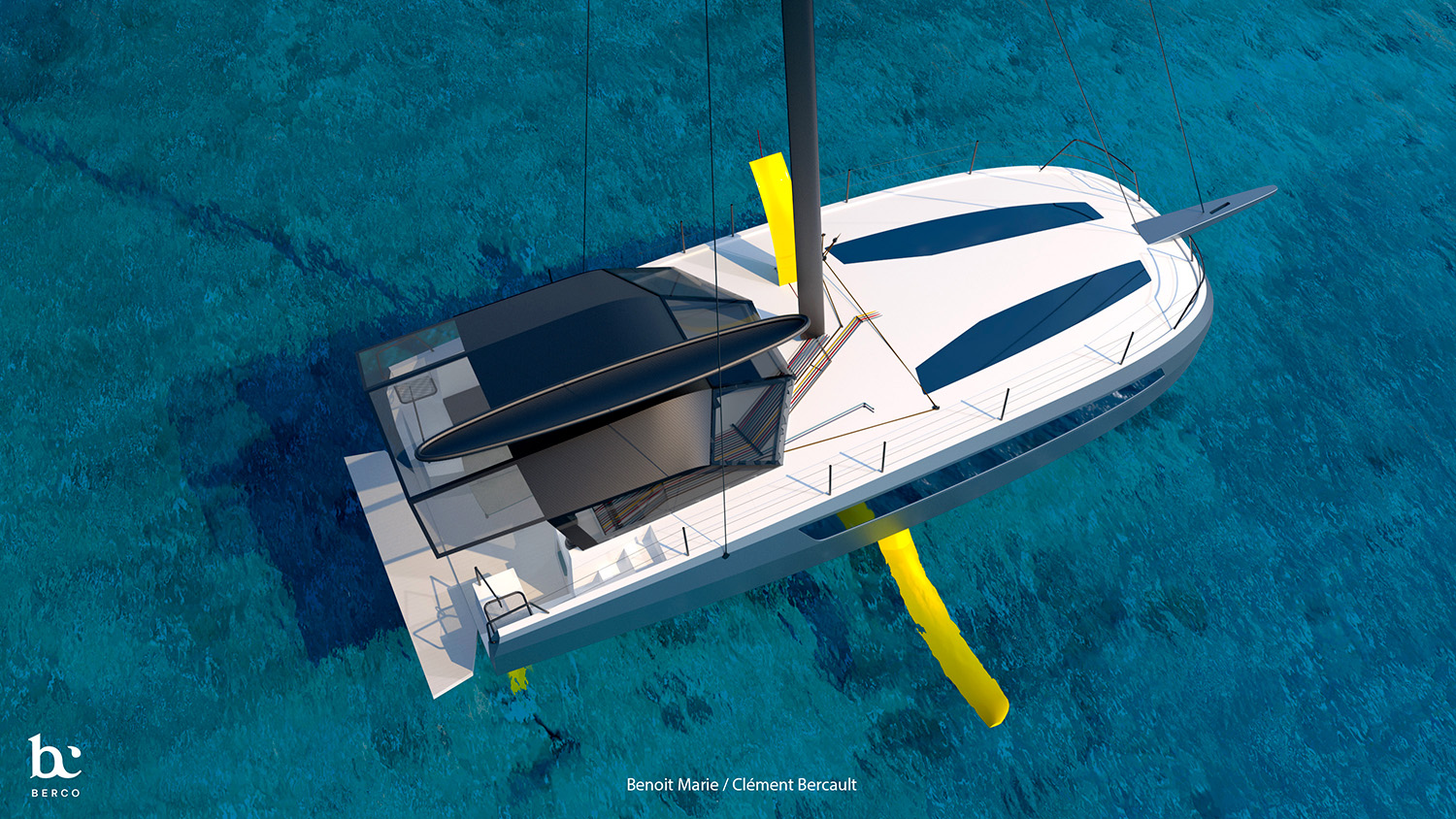
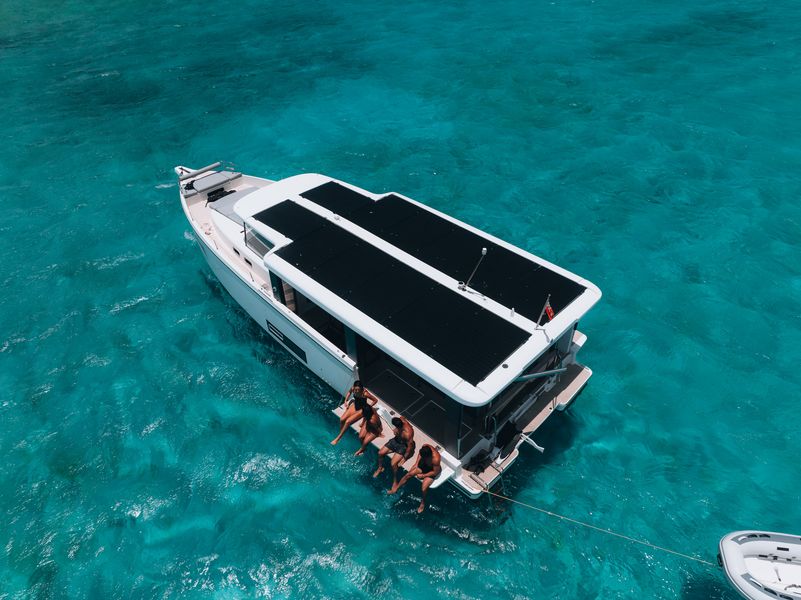
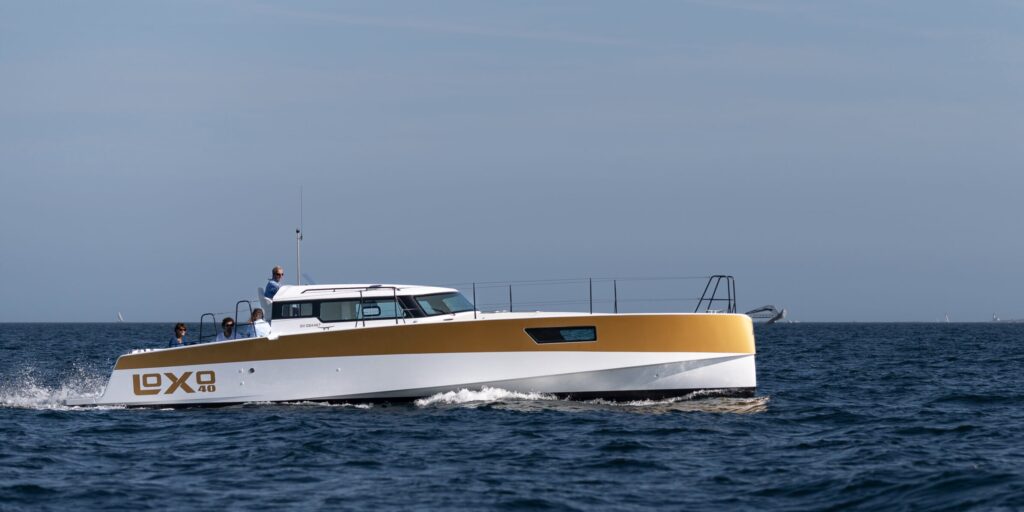
SKAW SAILING – Skaw A
JEANNEAU – Sea Loft 480
POGO STRUCTURES – Loxo 40
Best CSR initiative
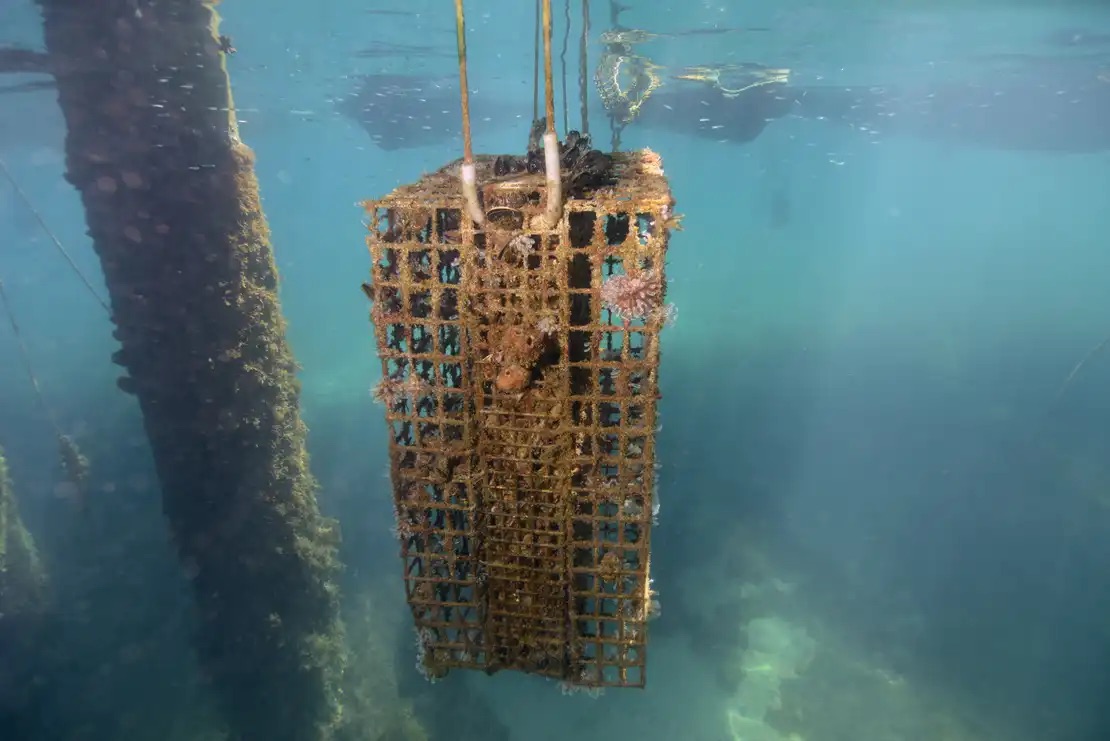
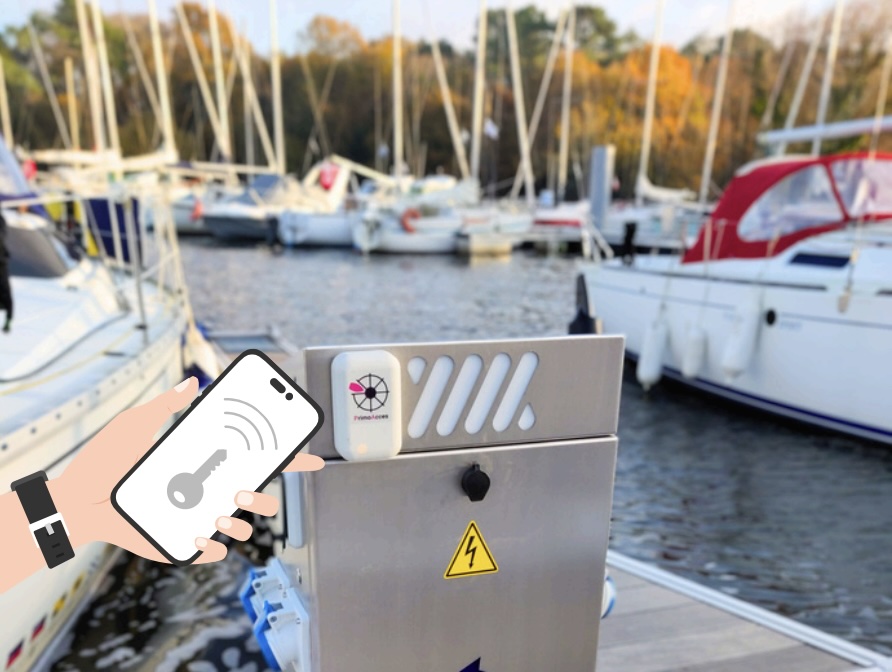
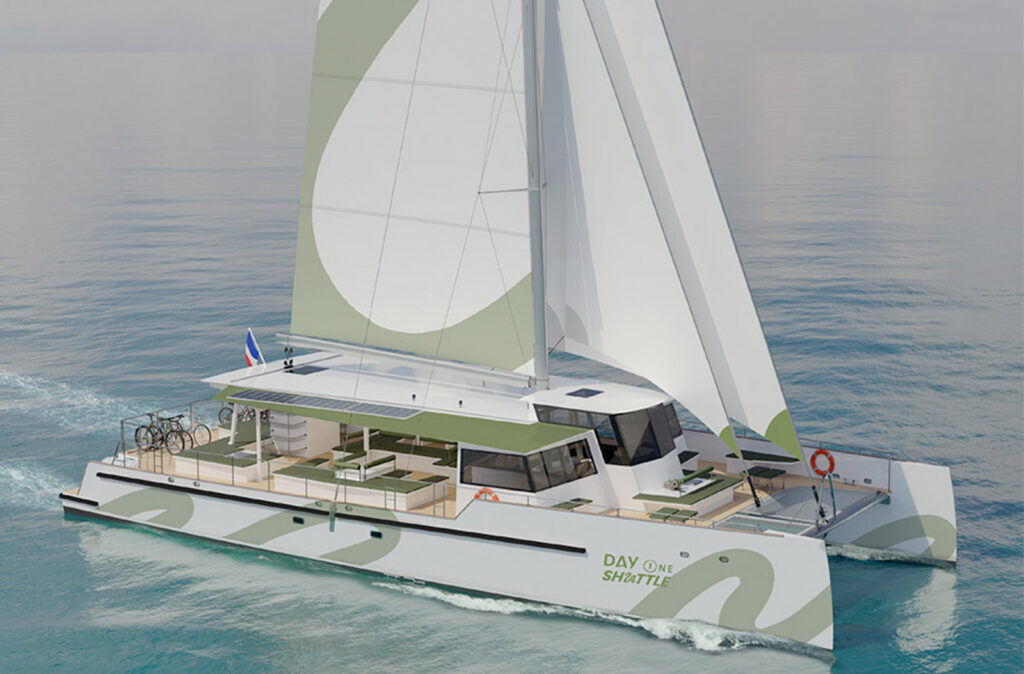
D-MARIN – D-Marin Biohuts®
ATOUT-PORTS – PrimoAcces Water
DAY 1 CATAMARANS – Day 1 Shuttle
The jury’s verdict expected on September 8
With the three finalists defined for each of the four categories, attention now shifts to September 8, when the four winners will be announced and the special jury prize will be awarded.
A group of six experts will decide, bringing together representatives from the nautical industry, maritime consultants, decarbonization specialists, journalists, and entrepreneurs: Guillaume Arnaud des Lyons, Thierry Berest, Rachel Goult, Jean-Christophe Guillaumin, Geoffroy Langlade, and Elena Patriarca.
More than the outcome, it will be interesting to know the reasons behind the choices and understand which elements allowed to distinguish, among very different solutions, those considered truly capable of impacting the evolution of yachting.
The AMERICA’S CUP is celebrating its 175 YEARS. It all began in 1851, when John Cox Stevens boarded the steamship that would take him back across the Atlantic to the New World, carrying with him a trophy crafted by R&S Garrard, the Crown jeweler on Panton Street in London. He could not yet have known that this trophy would go on to shape competitive sailing for generations to come.
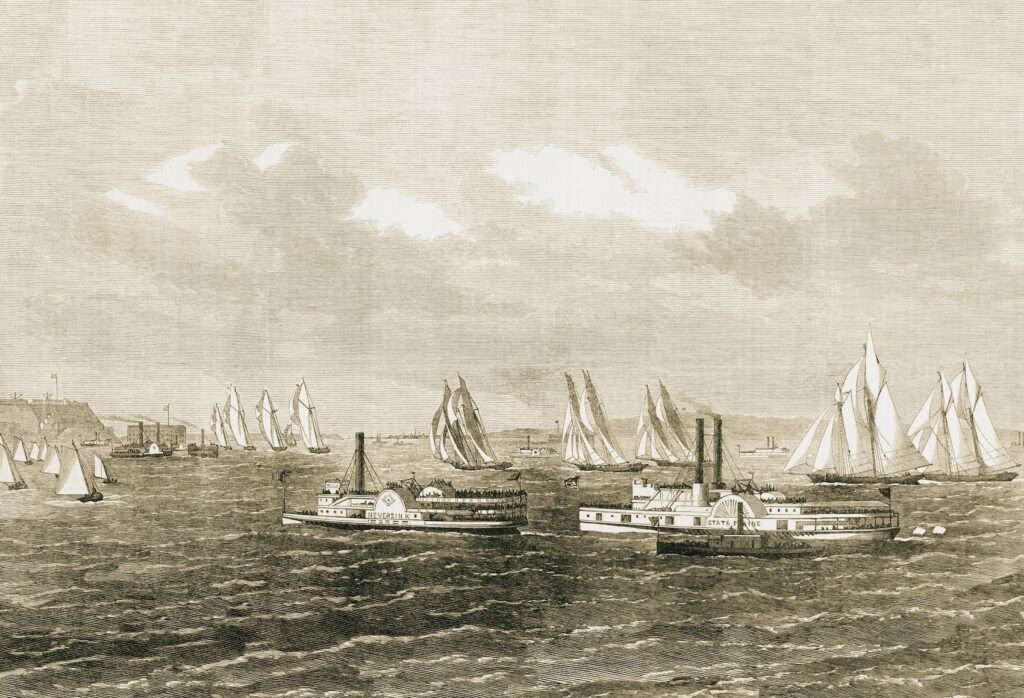
The America’s Cup. Competing yachts returning to the Narrows in New York Harbour. Published in The London Illustrated News
PHOTO CREDIT: BOB FISHER ARCHIVE/PPL
Legend has it that it all began on August 22, 1851, around the Isle of Wight, Great Britain, when the schooner America, representing the New York Yacht Club (NYYC) and skippered by Commodore John Cox Stevens, took on and defeated 15 British vessels in the race for the “100 Guineas Cup.” Queen Victoria was watching the finish and, seeing America crossing the line alone, is said to have asked who had come in second. The famous reply was: “Your Majesty, there is no second.”
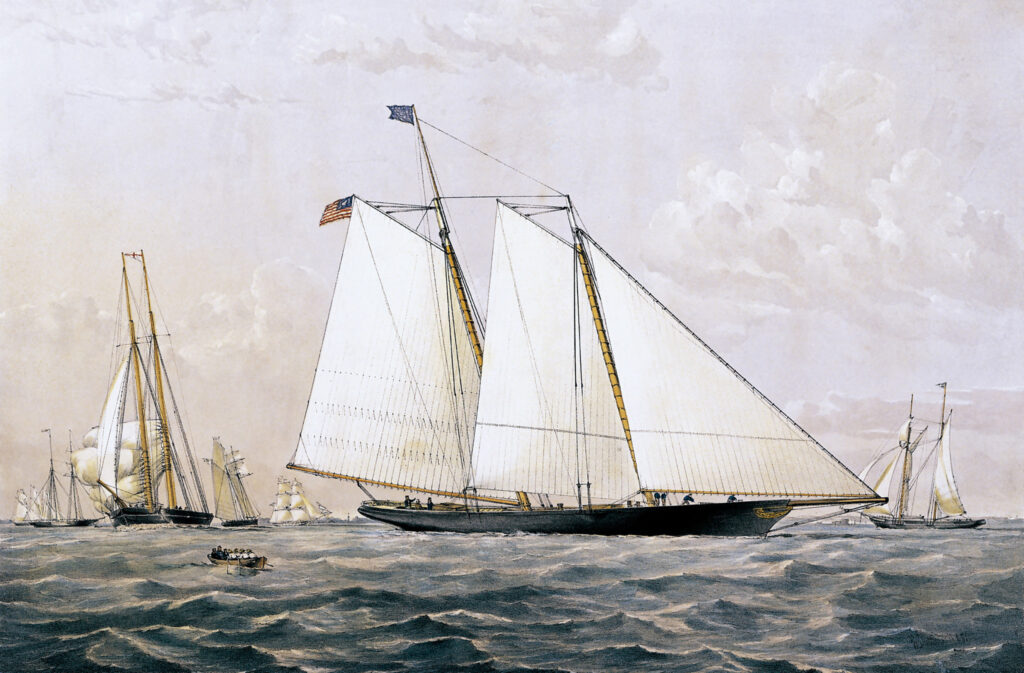
1851: The schooner ‘America’ lines up against 17 other yachts off Cowes for the famous race around the Isle of Wight that led to the America’s Cup. Five years later, ‘America’s’ owners presented the 100 Pound trophy to the New York Yacht Club and renamed it the America’s Cup. Original painting by TG Dutton owned by Cornelis van Rietschoten
PHOTO CREDIT:Cornelis van Rietschoten archive/PPL
In 1857, the owners of America donated the silver trophy to the New York Yacht Club. The donation was accompanied by the “Deed of Gift“, the founding document that established the rules governing challenges and defined the Cup as a “friendly competition between nations“. From that point on, the New York Yacht Club successfully defended the Cup in an unbroken winning streak that lasted until 1983. In the 1930s, the enormous J Class yachts took center stage, becoming symbols of elegance and power in what many consider the Golden Age of the America’s Cup. Some of the era’s most prominent industrialists, bankers, and tycoons took part in the competition. Among the American defenders, Harold Vanderbilt stands out; on the British side, notable challengers included tea baronet Sir Thomas Lipton and aviation magnate Sir Thomas Sopwith.
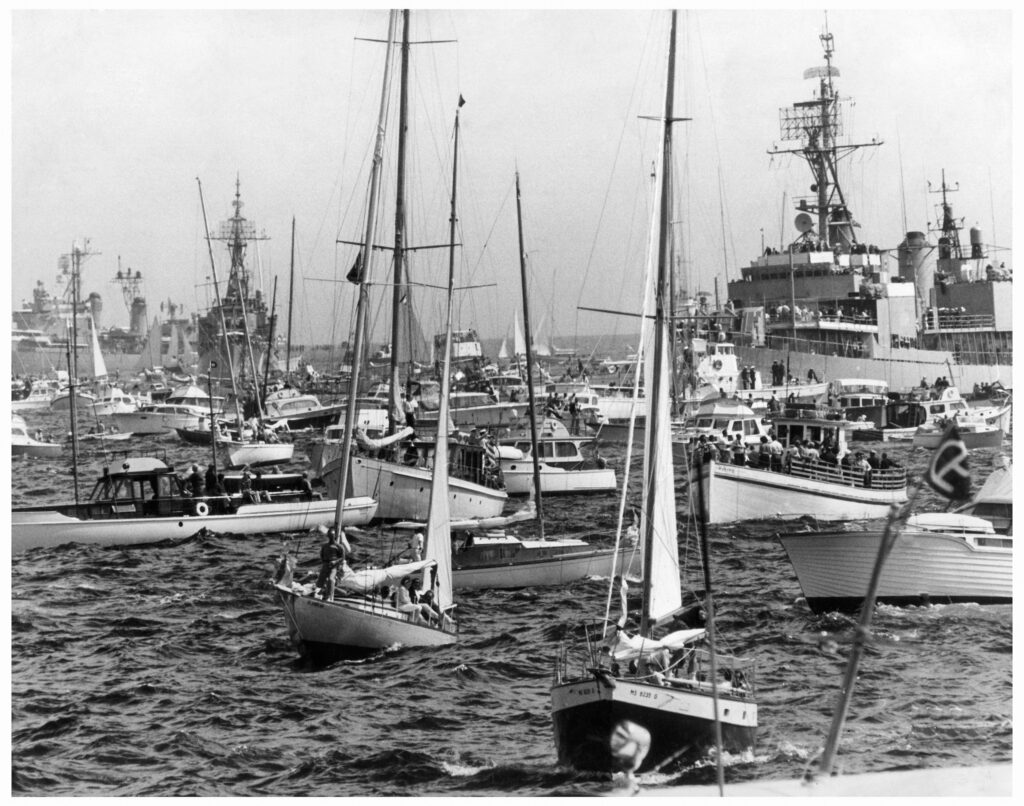
PHOTO CREDIT: Ian Dear Archive/PPL
***Around 1962: America’s Cup spectator fleet. When the Australians entered the fray to challenge for the America’s Cup in 1962, spectators were drawn to the 12-metre matches just as they had been for the much larger yachts in previous decades.
The historic turning point came with the Australian yacht Australia II, featuring a revolutionary winged keel and skippered by John Bertrand, with Alan Bond as its owner. In 1983, the team defeated American defender Dennis Conner, known as “Mr. America’s Cup”, bringing the longest winning streak in sports history to an end. The Cup sailed to Australia, but it would soon return to the United States. After his defeat, Conner fought his way back and reclaimed the trophy, this time for his home club in San Diego. His victory was celebrated with a ticker-tape parade along Fifth Avenue in New York, helping turn the America’s Cup into a mass phenomenon that captured the public imagination.
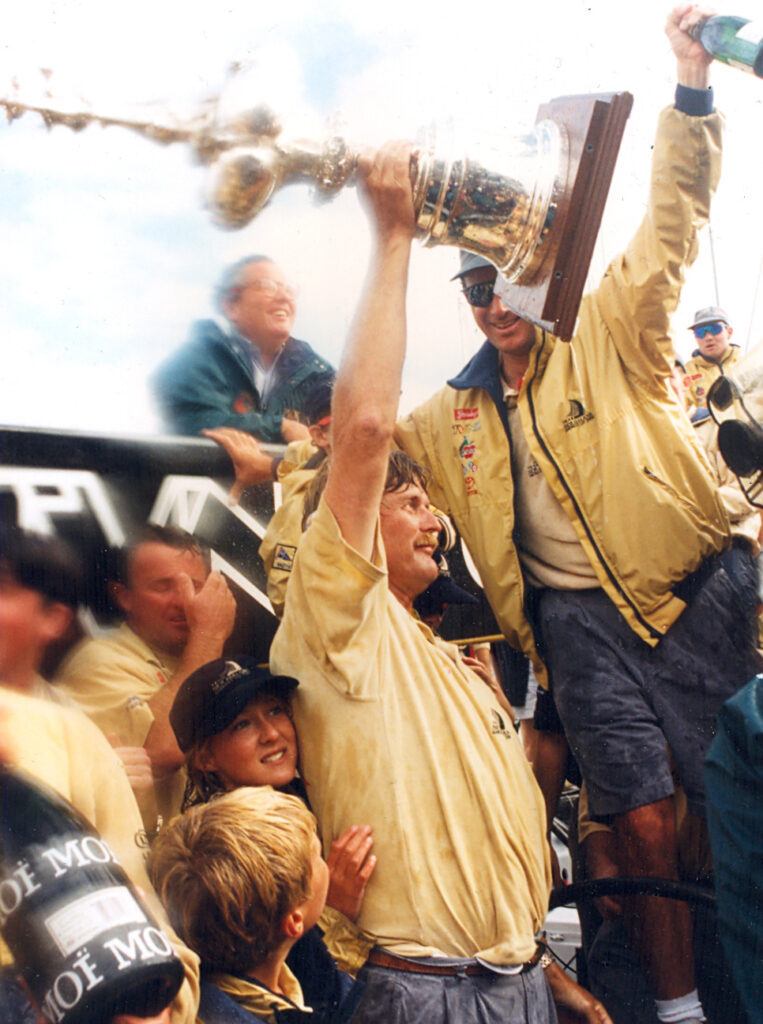
PHOTO CREDIT: John Nash/PPL
*** 1995 Peter Blake with his children holding up the America’s Cup after Team New Zealand beat Dennis Conner’s USA Stars and Stripes team to win the trophy
In 2003, New Zealand handed the Cup over to Switzerland, which became the first—and, to this day, only—European team to win the trophy. Only four nations have won the America’s Cup in its 175-year history, a testament to just how difficult the trophy is to conquer. In more than a century and a half of competition, only four countries have managed to lift the “Auld Mug”: Switzerland, the United States, Australia, and New Zealand.
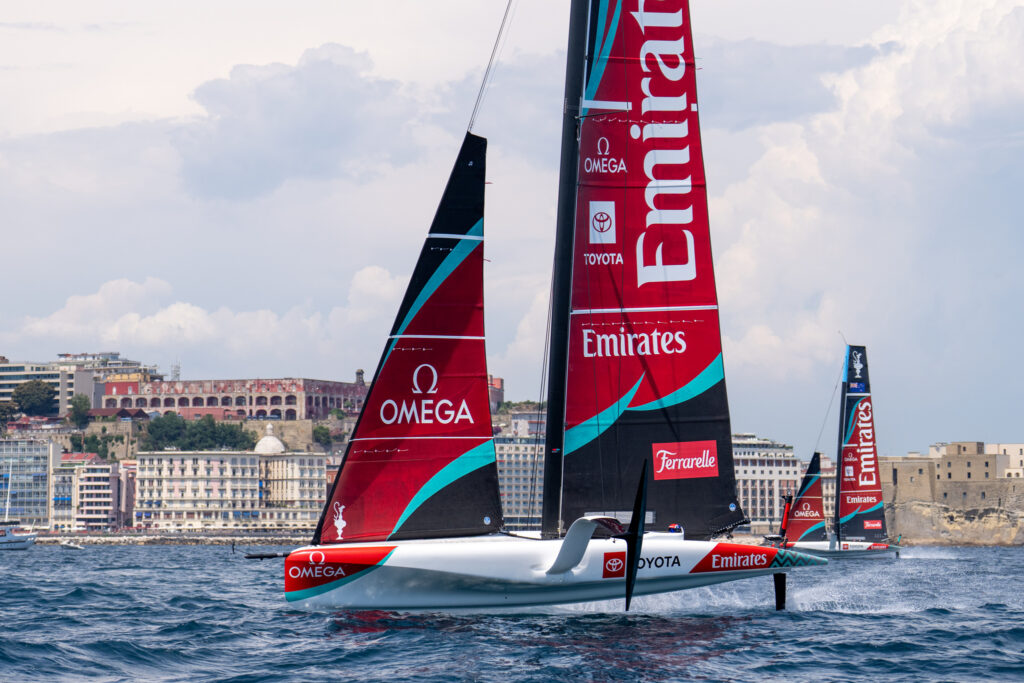
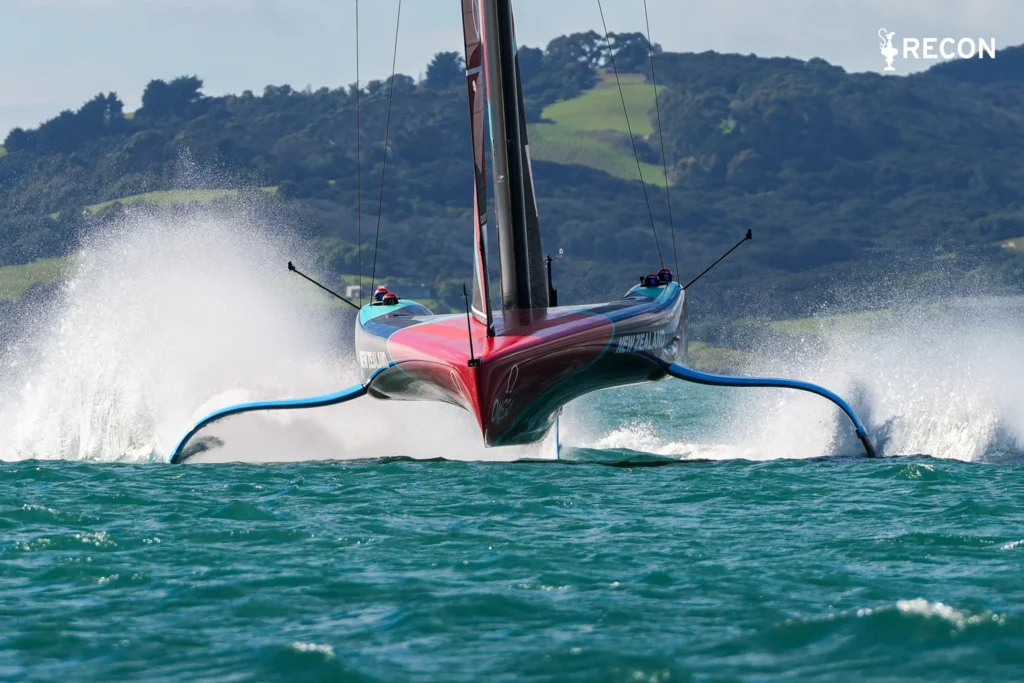
After successfully defending the trophy in Valencia, Switzerland lost a fiercely contested second “Deed of Gift Match,” a challenge sailed under the strictest interpretations of the Deed, and the Cup returned to the United States, this time to San Francisco. Emirates Team New Zealand achieved what had previously been considered impossible: sailing on foils upwind. The Kiwis surged to what appeared to be an unassailable 8–2 lead, needing just one more race to win. But Oracle Team USA produced one of the greatest comebacks in sports history, fighting back from match point to win the America’s Cup 9–8. In Bermuda, the Kiwis introduced another groundbreaking innovation, replacing arm power with leg power and bringing “cyclors” into the America’s Cup—a concept that had already been tested below deck during the 12 Metre era. It marked the beginning of an unprecedented period of dominance in the Cup’s long history, as Team New Zealand became the first team to win three consecutive editions: Bermuda, Auckland, and Barcelona.
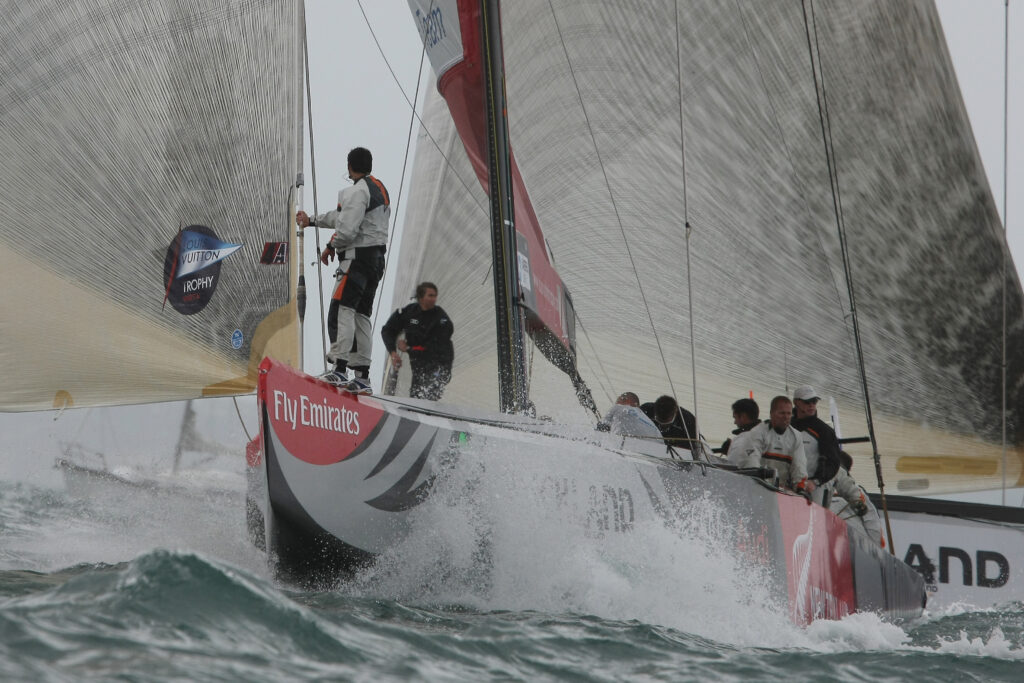
The America’s Cup Technical Evolution
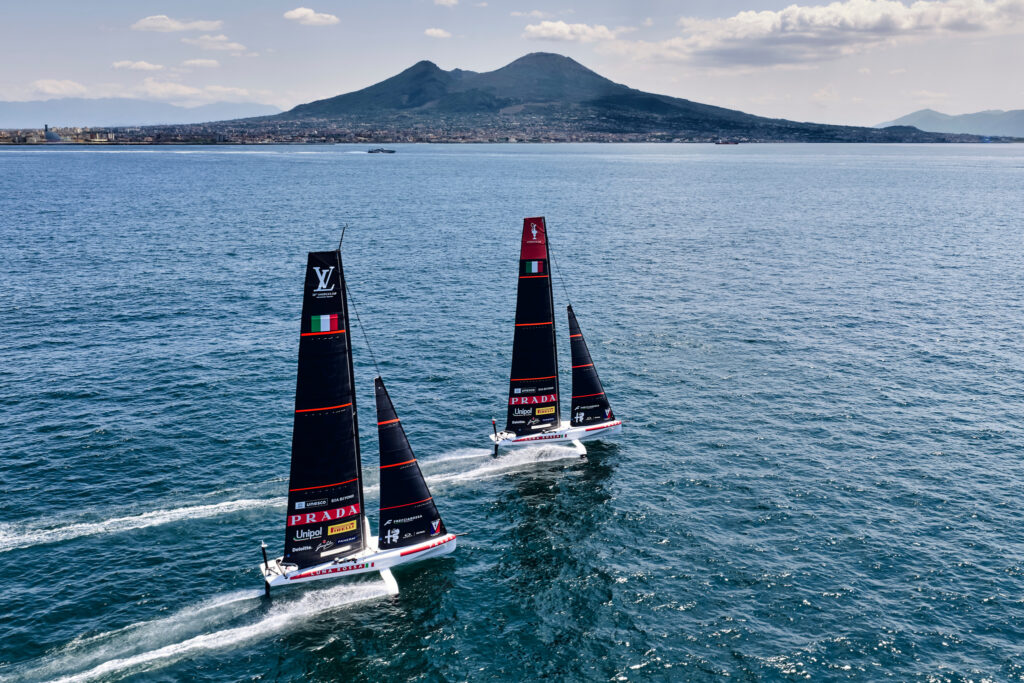
From the original 8–9-knot speeds recorded in 1851, today’s AC75 and AC40 foiling yachts have surpassed 55 knots. With the return of the Youth America’s Cup and the introduction of the Women’s America’s Cup, the future of the competition is moving toward greater integration, with mixed-gender crews expected aboard the AC75s for the 2027 America’s Cup in Naples.
Speaking about what it takes to win the America’s Cup, Dennis Conner once said: “Total dedication to the commitment you’ve made. The three key ingredients for winning remain the same: attitude, attitude, attitude”.
Messe Friedrichshafen GmbH is one of the leading trade fair companies in Germany, located in the picturesque border area between four countries along the shores of Lake Constance. Founded in 1950 to strengthen the region’s economy, it has made a name for itself worldwide as an organizer and promoter of recreational and commercial exhibitions. Felix Klarmann will leave his position as Project Manager of the international water sports fair after the next edition for personal reasons, focusing in the future on managing the Aqua-Fisch project. Klarmann will continue to oversee this year’s event in his current role before handing over to Zuzanna Sroda.
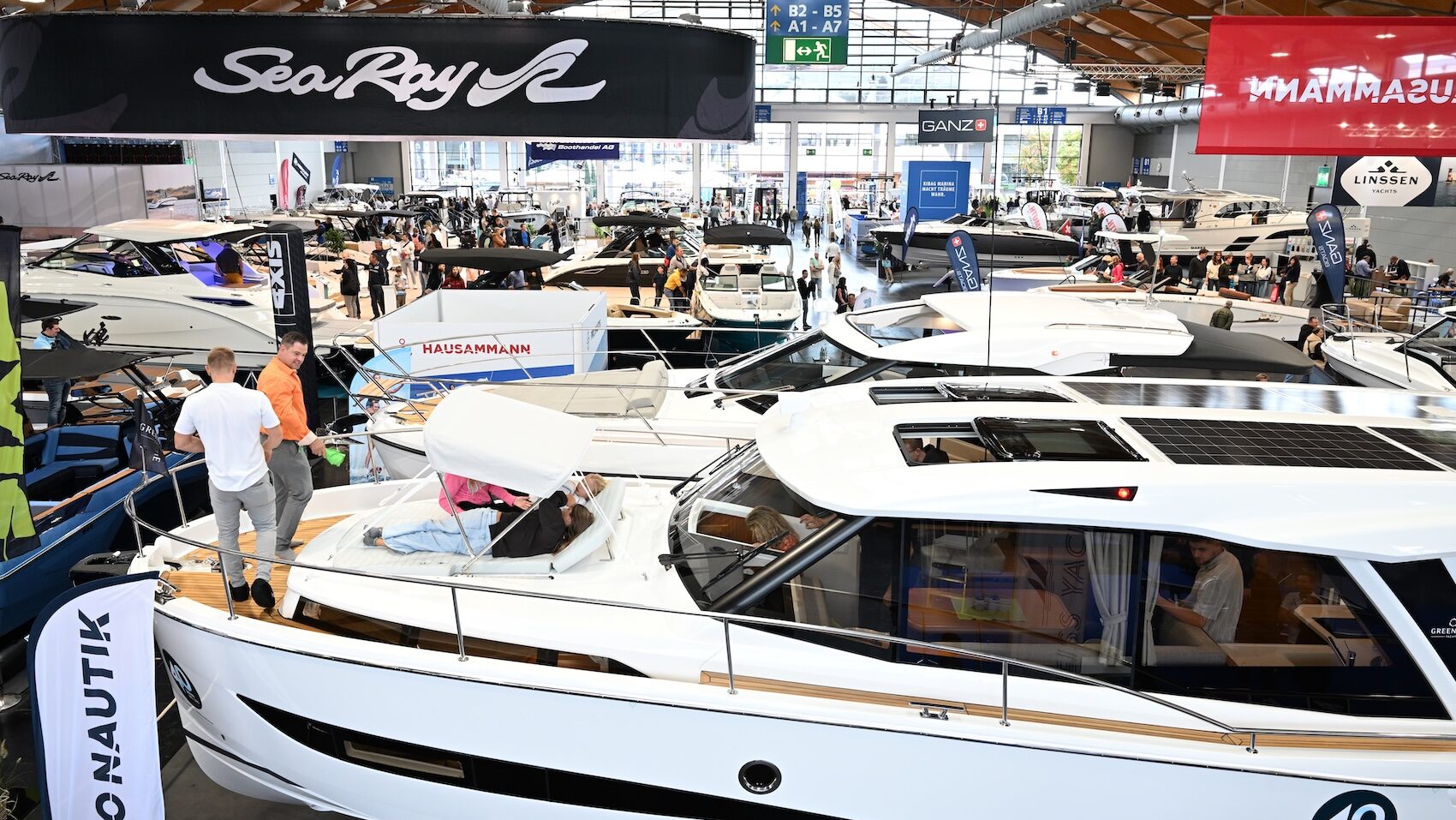
Zuzanna Sroda has in-depth knowledge of exhibitors, partners, and the needs of the water sports sector and will leverage her experience to further develop the fair in the future.
“Interboot has been part of my life for almost ten years and is much more than just a project for me. I look forward to taking the lead as Project Manager after the next event and actively shaping the future of the fair together with the team.”
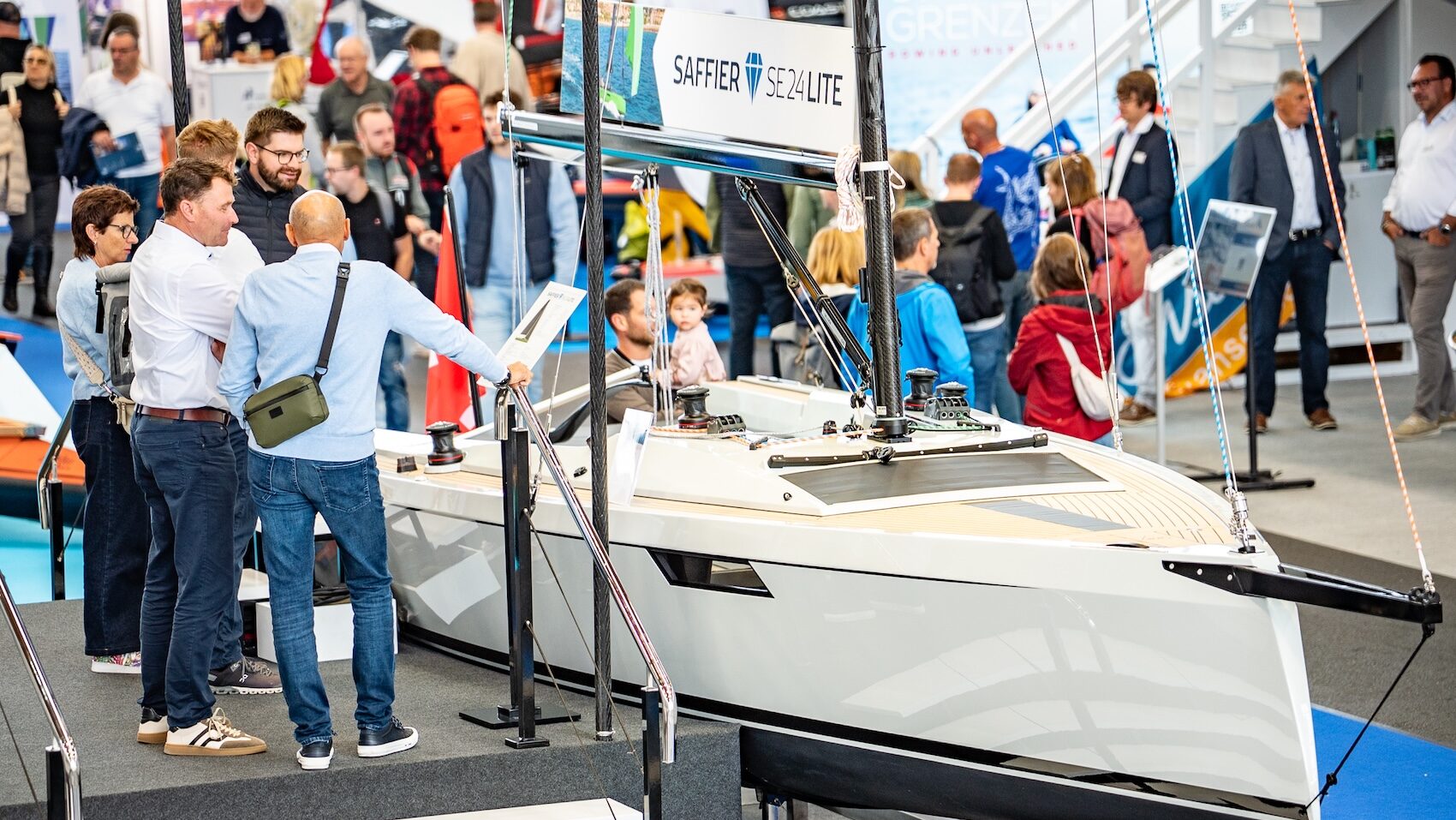
For Klaus Wellmann, CEO of Messe Friedrichshafen, the change represents continuity and the constant development of the event.
“Interboot has been a key meeting point for the water sports industry for decades. By planning this handover well in advance, we ensure a smooth transition and provide planning certainty to our exhibitors and partners. I would like to sincerely thank Felix Klarmann for his commitment over the past years. At the same time, I am pleased that we have been able to entrust this responsible role to Zuzanna Sroda, a highly experienced colleague from our ranks. I am confident that, with her expertise and passion, and in close consultation with the industry, she will lead Interboot to a successful future.”
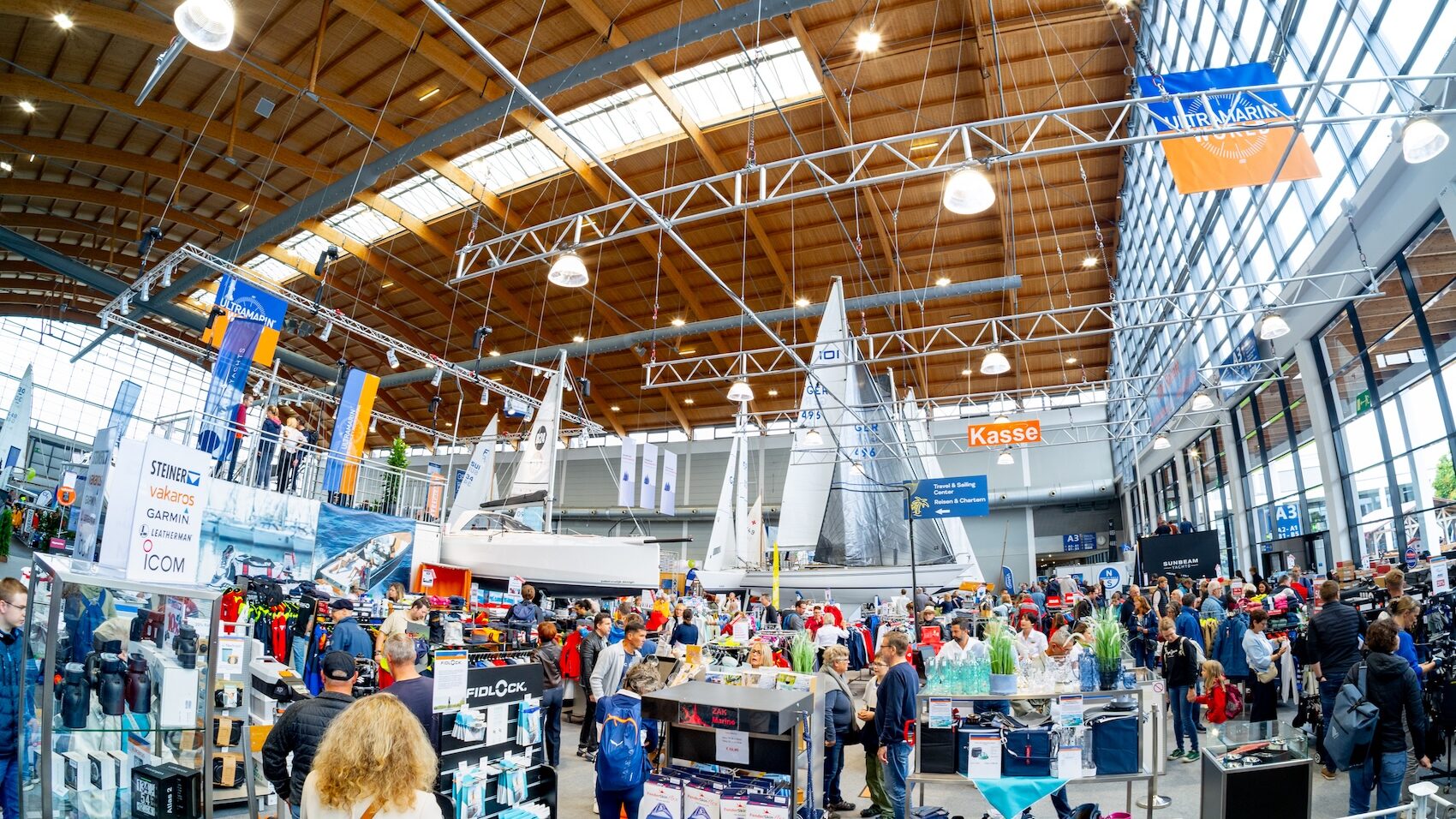
Photo: Felix Diemer for Interboot 2025
Interboot 2026 will take place from September 23 to 27 and will be open every day from 10:00 AM to 6:00 PM, closing at 5:00 PM on Sunday. During the week, a discounted afternoon ticket is available starting at 3:00 PM,
With a total exhibition area of 87,500 m², the venue features twelve exhibition halls, two multifunctional foyers, and two outdoor areas in the inner courtyard measuring 15,500 m². Additionally, the Static Display area covers 20,000 m², offering exceptional opportunities for engaging and dynamic trade fair experiences. The compact exhibition district includes the Fair Lake adjacent to the airport and halls equipped with hangar doors, capable of accommodating a wide variety of uses.
Press Release Interboot 2026
YANMAR Marine International (YMI) will present a selection of advanced propulsion solutions at the Cannes Yachting Festival 2026, showcasing its renowned and reliable combustion engines alongside new electric propulsion solutions.
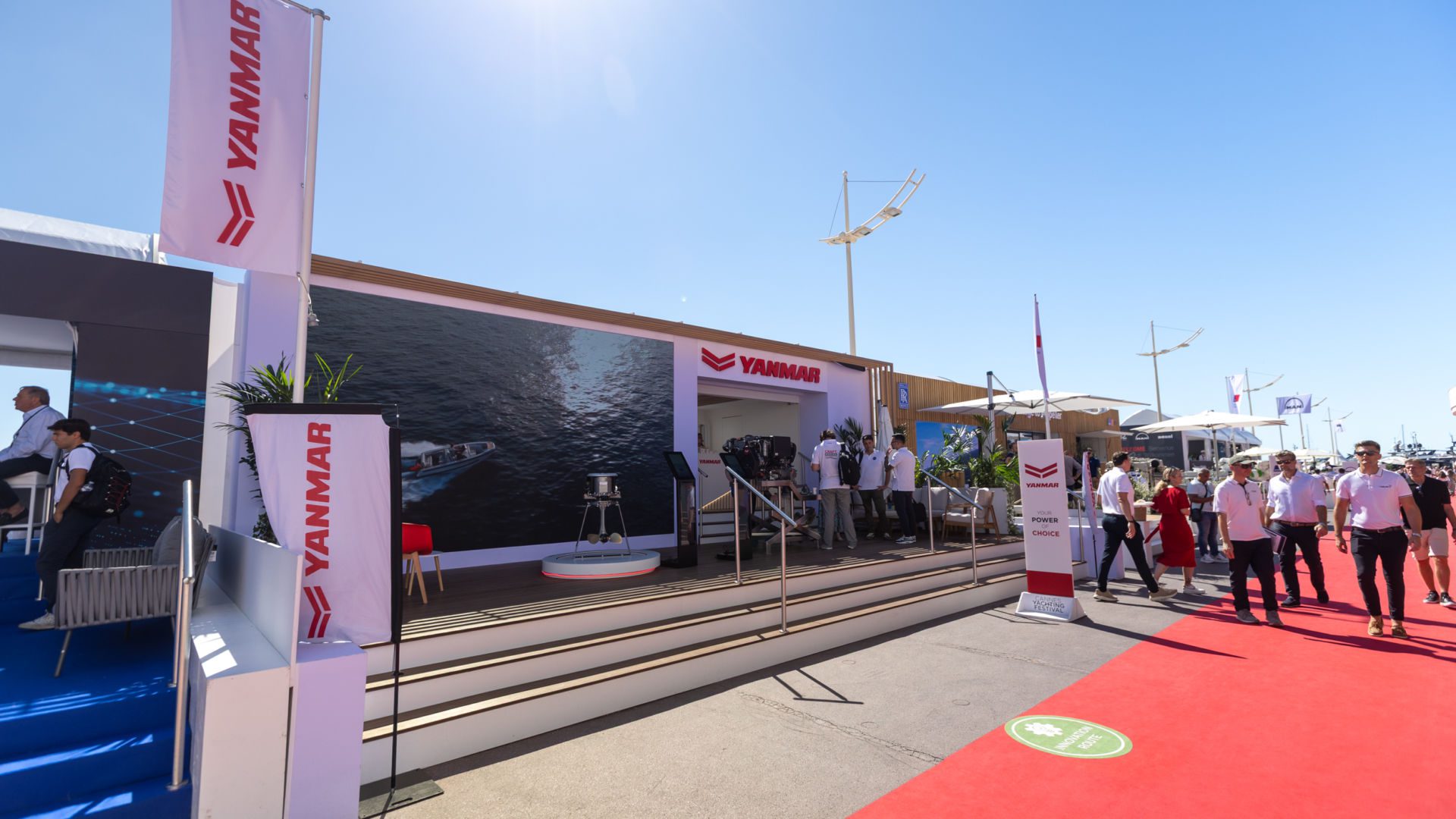
Developed around the principle of “Power of Choice”, YANMAR offers boat owners and shipyards the flexibility to switch to electric propulsion or to use their highly efficient, reliable common rail combustion engines, approved for use with HVO fuel.
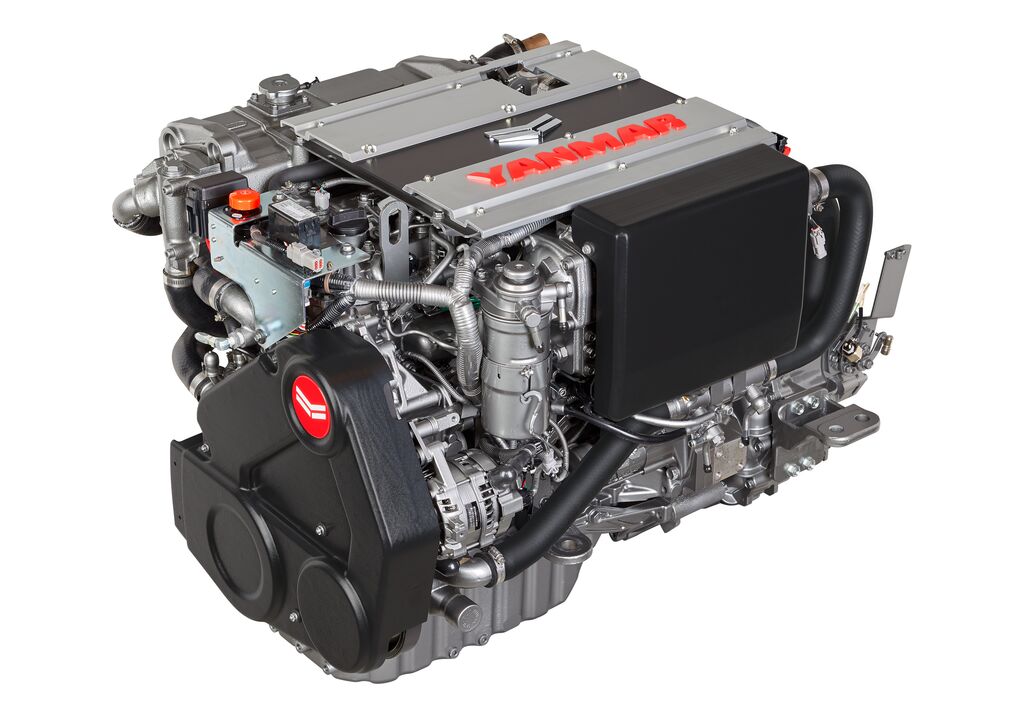
Located in the new position at Jetée 177, visitors will be able to explore within the Yanmar facility a complete propulsion ecosystem and engage with YANMAR experts. Among the products on display will be the 4LV common rail engine equipped with Saildrive SD150, ideal for large sailing yachts. The 4LV engine series delivers powerful torque at low revs and great fuel efficiency from a compact 2.8-liter displacement, combined with YANMAR reliability, ensuring virtually smoke and odor-free operation. The 4LV integrates seamlessly with onboard technology.
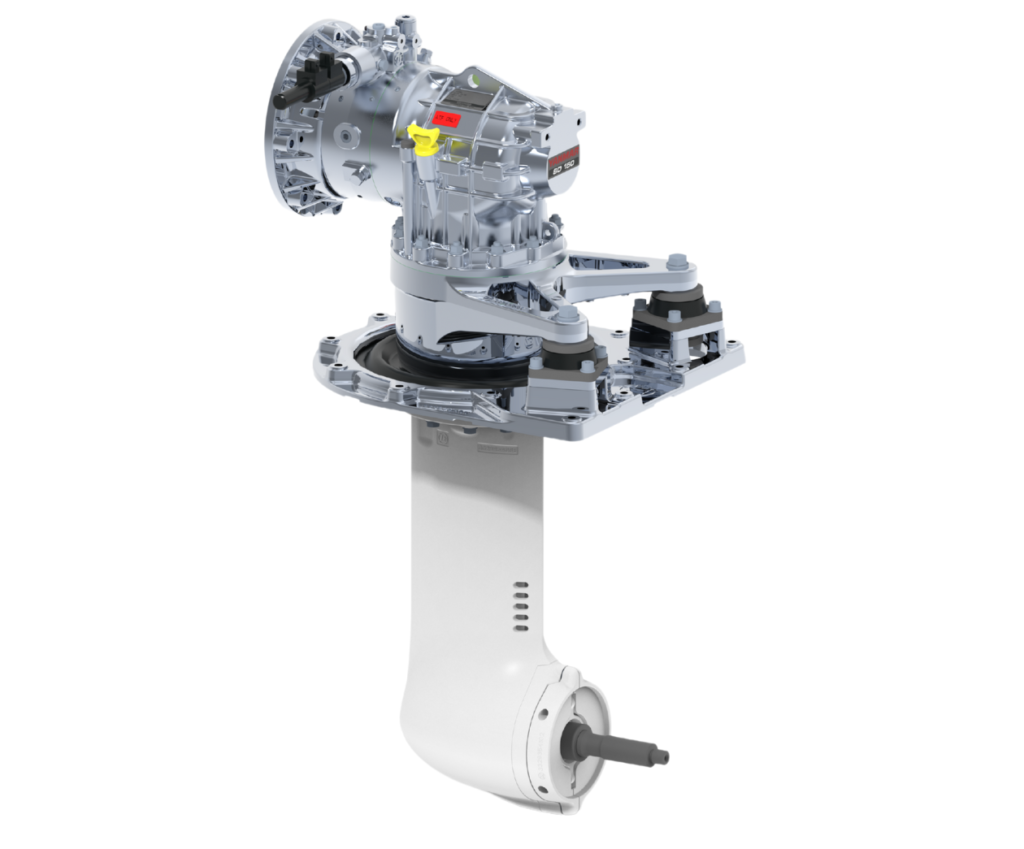
The Saildrive SD150, which allows for easy installation, improved maneuverability, and reduced vibrations onboard.
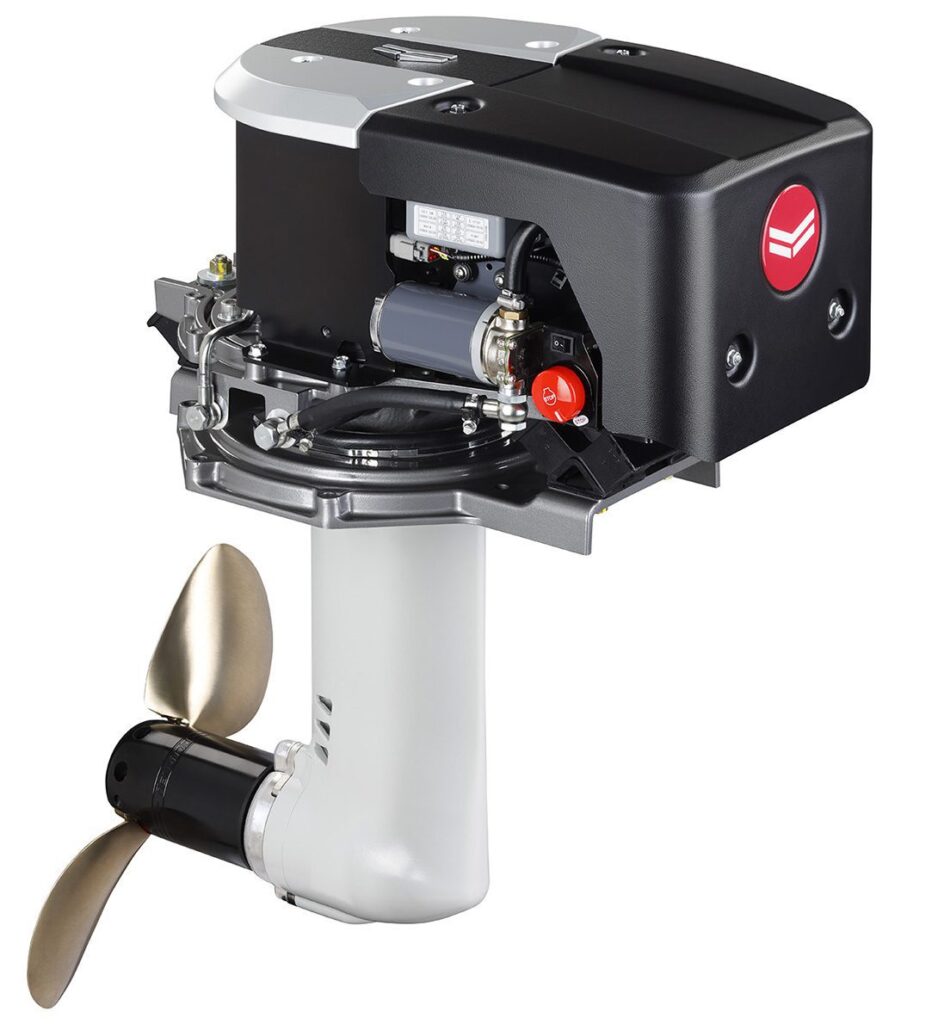
and the SDe series of electric saildrives, multi-award-winning, which offers shipyards, engineers, and refit technicians a 100% zero-emission option that is easy to install, use, and maintain.
- Available with power ratings of 7 kW, 10 kW, and 15 kW on a 48V platform for sailing boats up to 40 feet, the SDe series fits the YANMAR YM and GM engine mounts without requiring any modifications to the hull.
- Gears, engine, control unit, and cooling are fully integrated into a single compact unit, which uses a closed-loop oil system to minimize corrosion and simplify maintenance.
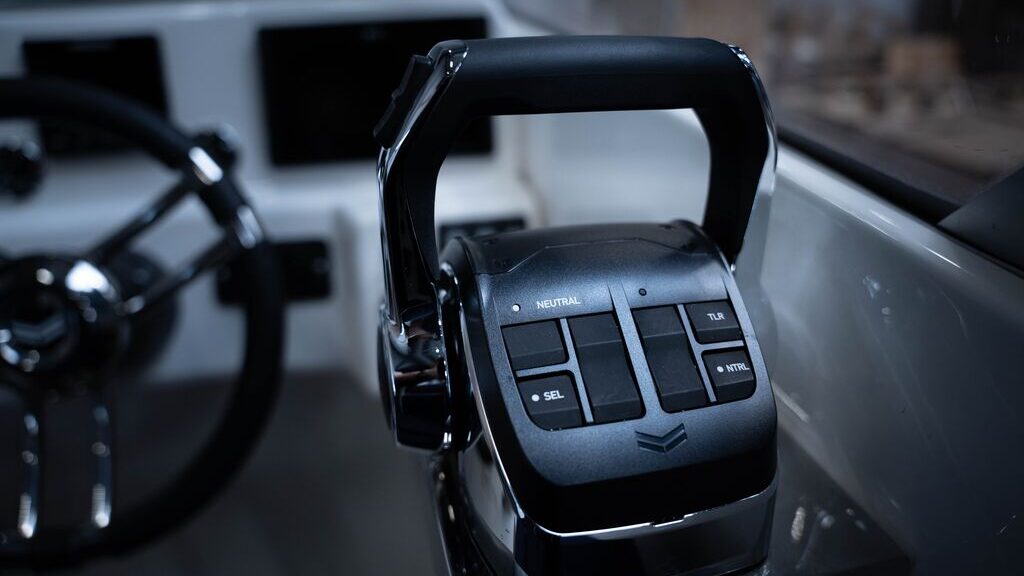
The new VC30 Boat Control System, the third generation of YANMAR control systems that simplifies throttle management and docking with a high-precision joystick, compatible with VETUS bow thrusters. Equipped with a 4.3″ optically bonded display with automatic brightness dimming and NMEA2000 output, along with fewer components for faster installation, the VC30 offers a unified and easy-to-maintain system for a smooth and essential helm experience.
Yanmar solutions and commitment
“Whether customers are looking for the latest common rail engines or are ready to embrace electric propulsion, our commitment is to provide solutions that meet their current needs and support their future ambitions. The Cannes Yachting Festival is the perfect opportunity to experience our propulsion ecosystem firsthand, and we look forward to welcoming visitors to the YANMAR stand to showcase how we are realizing ‘the power of choice’.” said Wouter-Jan van der Wurff, President and CEO of the YANMAR Marine Recreational Business Unit.”
Lagoon 60 an oasis of well-being that will take you far, Lagoon, the shipyard that has been designing and building freedom since 1984, satisfying the insatiable curiosity to navigate the seas and the oceans to reach new horizons; with about 7000 catamarans in the world and over 230 dealers and service points, the French shipyard is now one of the leaders in the catamaran sector.
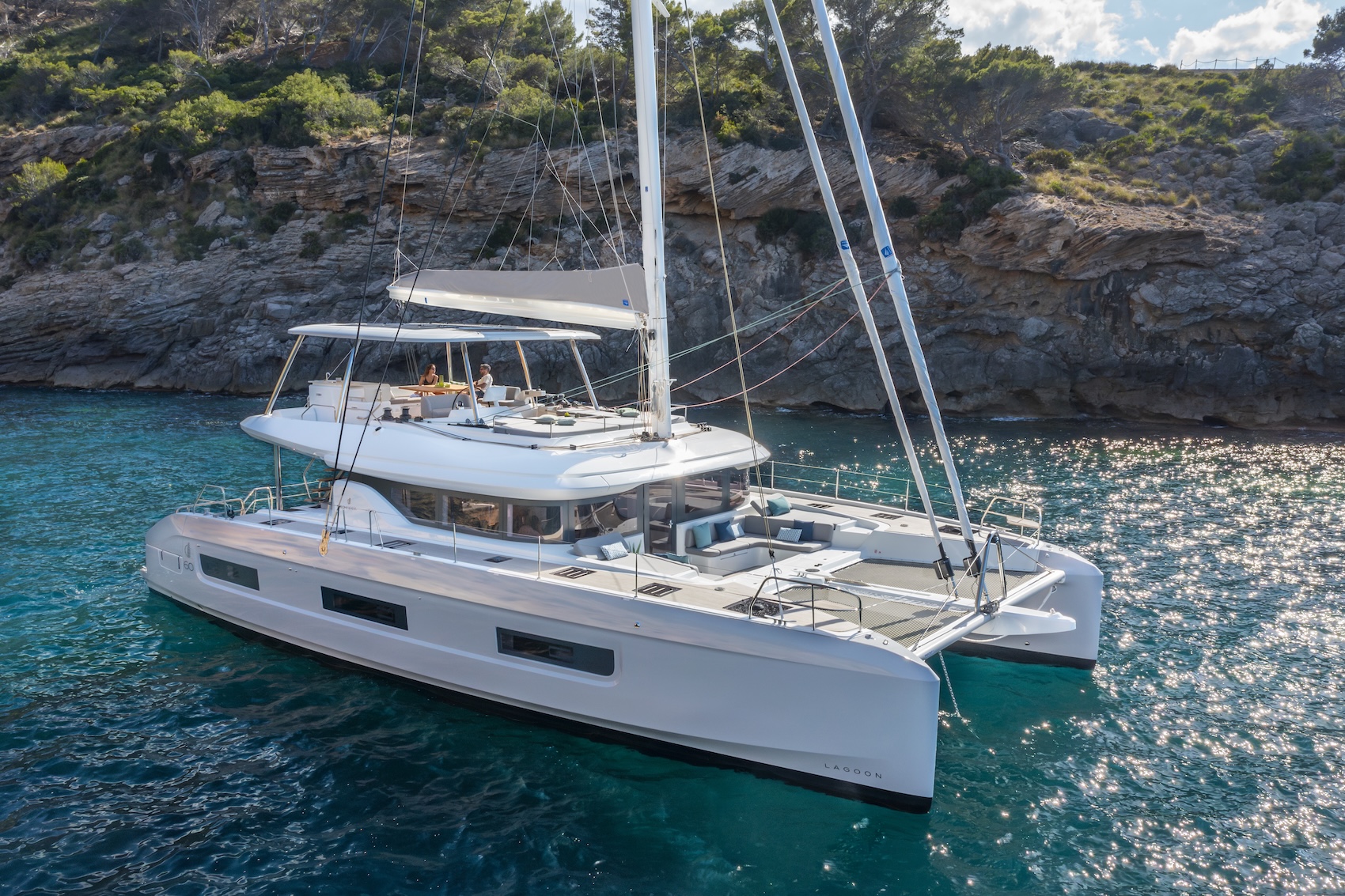
At first glance, the Lagoon 60 immediately evokes the temptation and charm of a grand journey, just getting closer makes you feel already at sea with the sails unfurled and the hull cutting through the waves. A hull of 18 meters and a beam of almost 10 meters designed for long voyages.
«The Lagoon 60 is the type of catamaran that, at first glance, makes you want to set sail immediately.»
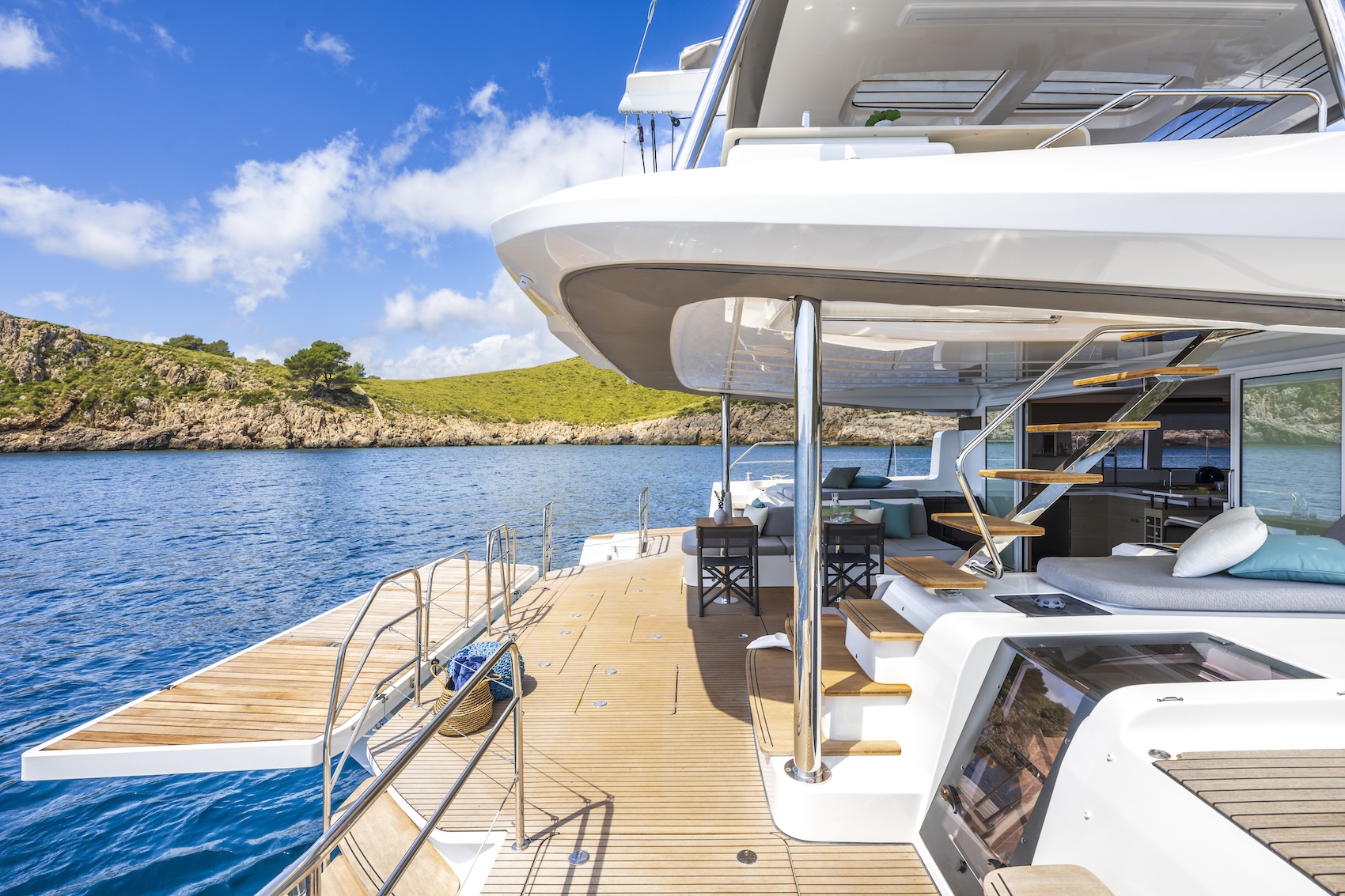
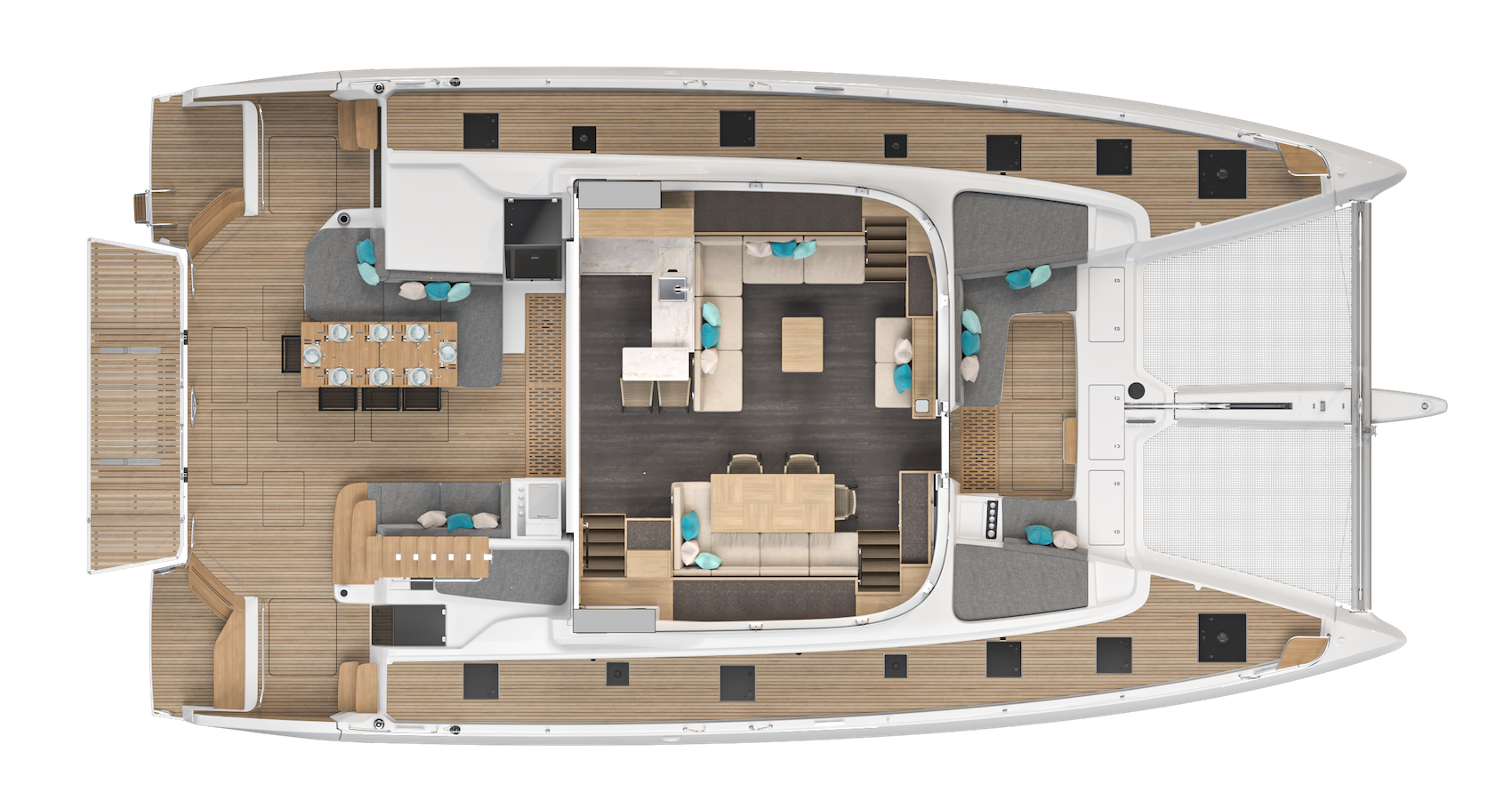
A large aft terrace (over 36 square meters) allows for direct contact with the sea, and when anchored, the surface can be further increased thanks to the two side openings. The beach area can lower to create a platform useful for diving into the water or for easily lowering a tender.
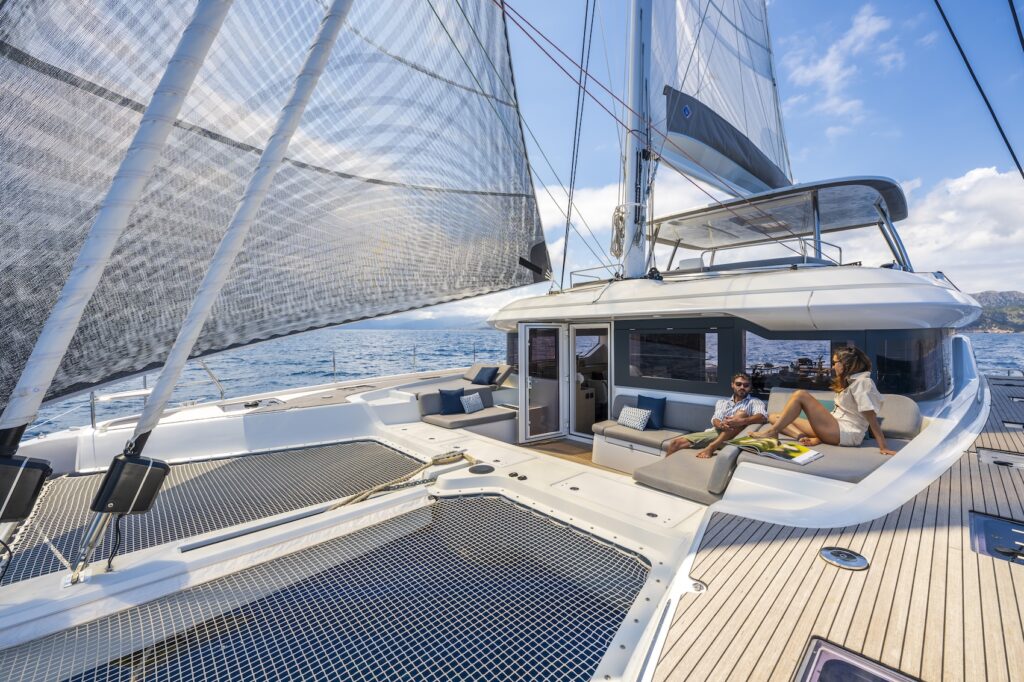
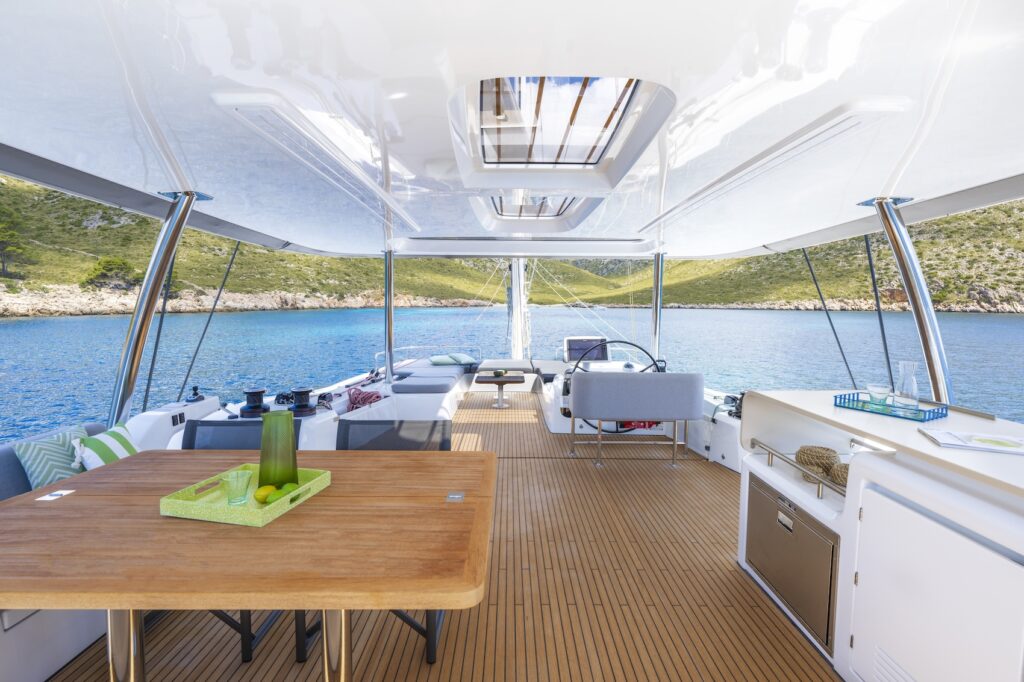
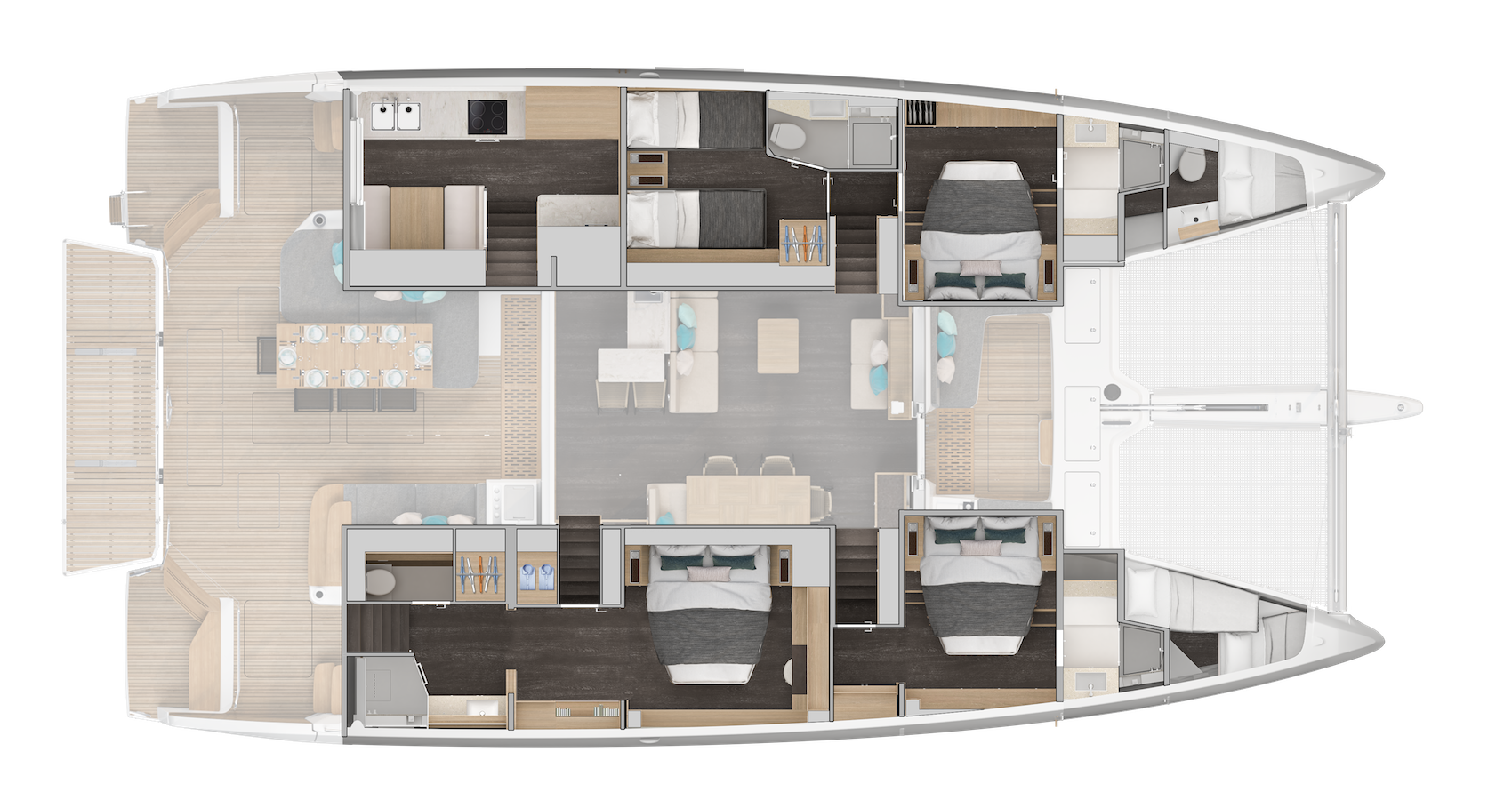
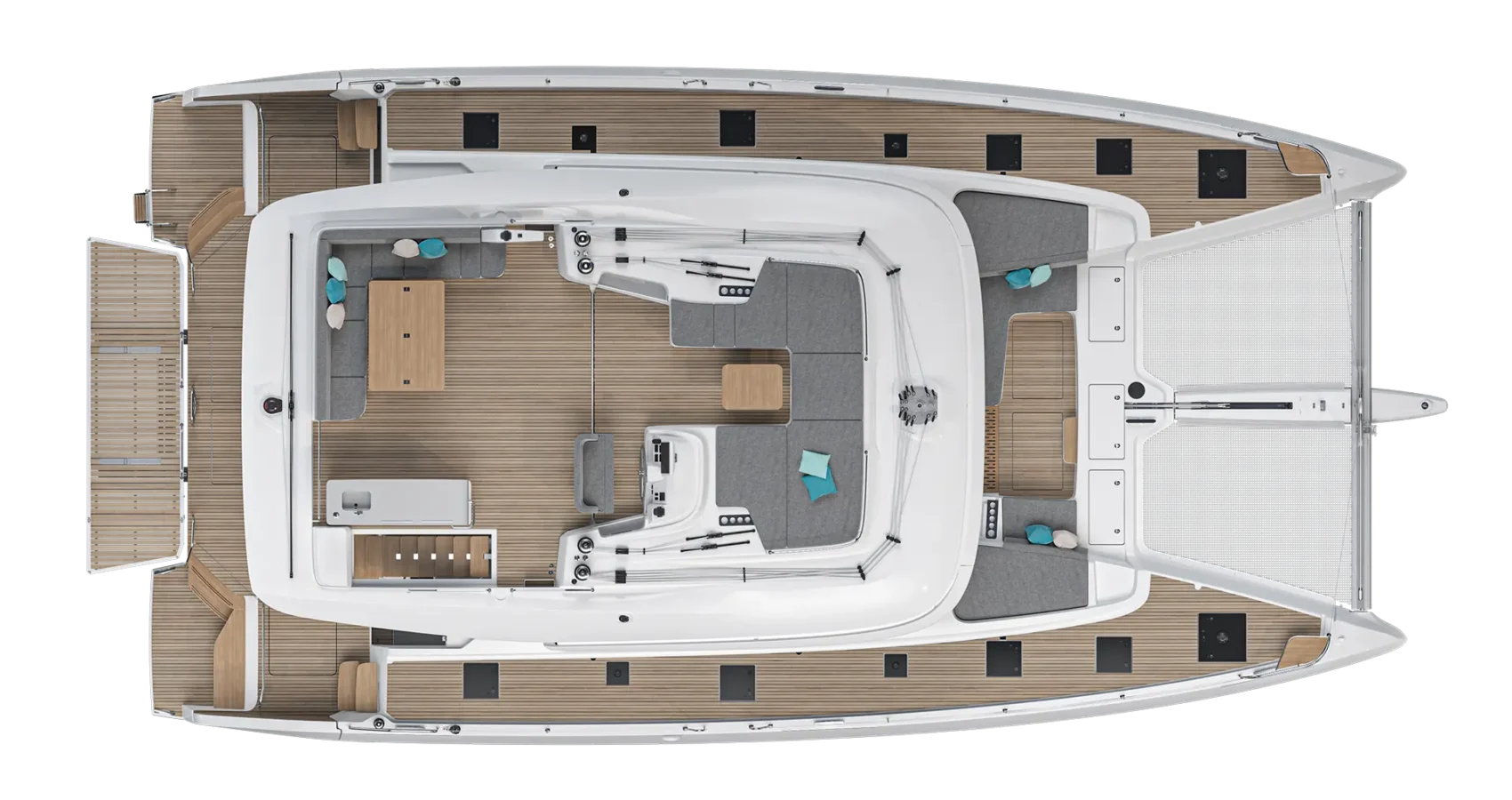
The deck layout is developed on a single level, the internal square is directly connected to the forward cockpit via a front access door, ensuring unobstructed circulation throughout the vessel. The flybridge of the Lagoon 60 is a true second deck both for steering the catamaran and for relaxation. Here are concentrated the controls, electric winches, and stoppers to maneuver the sails without having to go down to the deck.
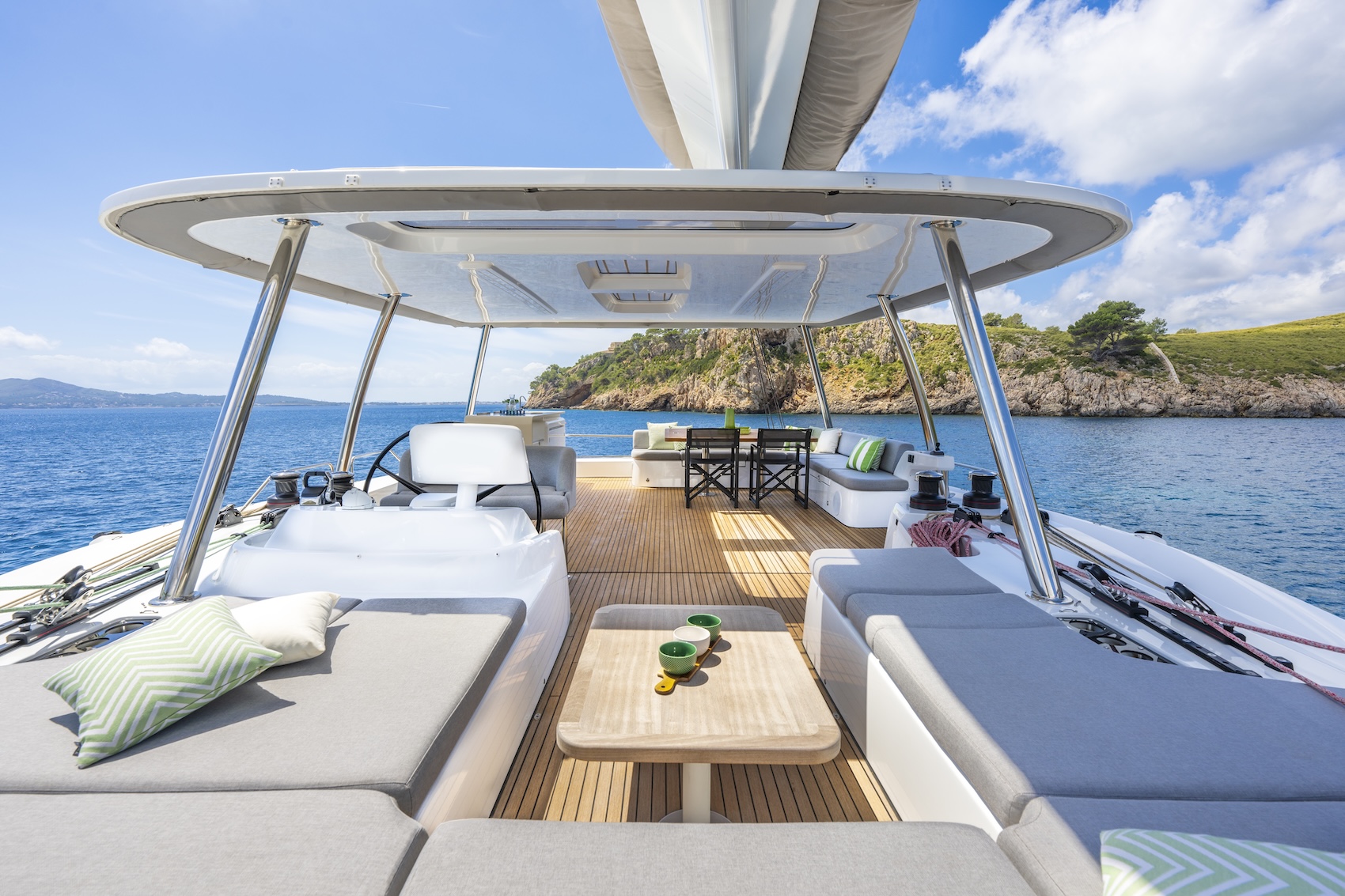
Both in front and behind the helm, relaxation areas with “U” shaped sofas and tables (which can be joined or transformed) are developed for dining, having dinner, or enjoying an aperitif in the fresh air with an elevated view of the sea. The large rigid hardtop protects from the sun’s rays, creating a cool and pleasant environment; solar panels can be mounted on the roof to ensure energy autonomy at anchor.
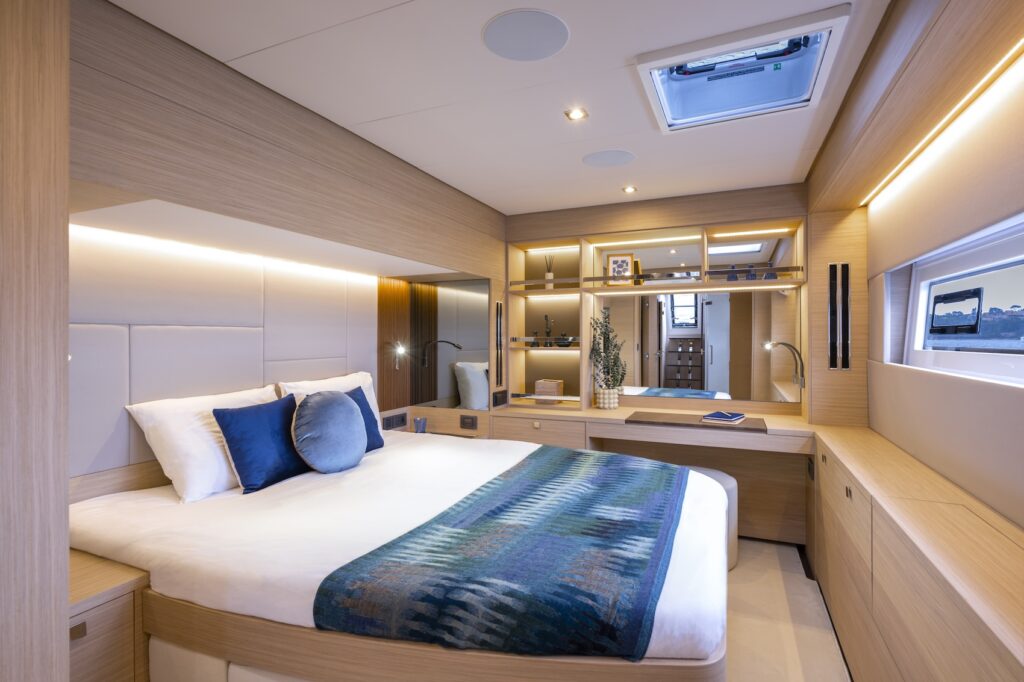
Lagoon 60, interior spaces and configurations
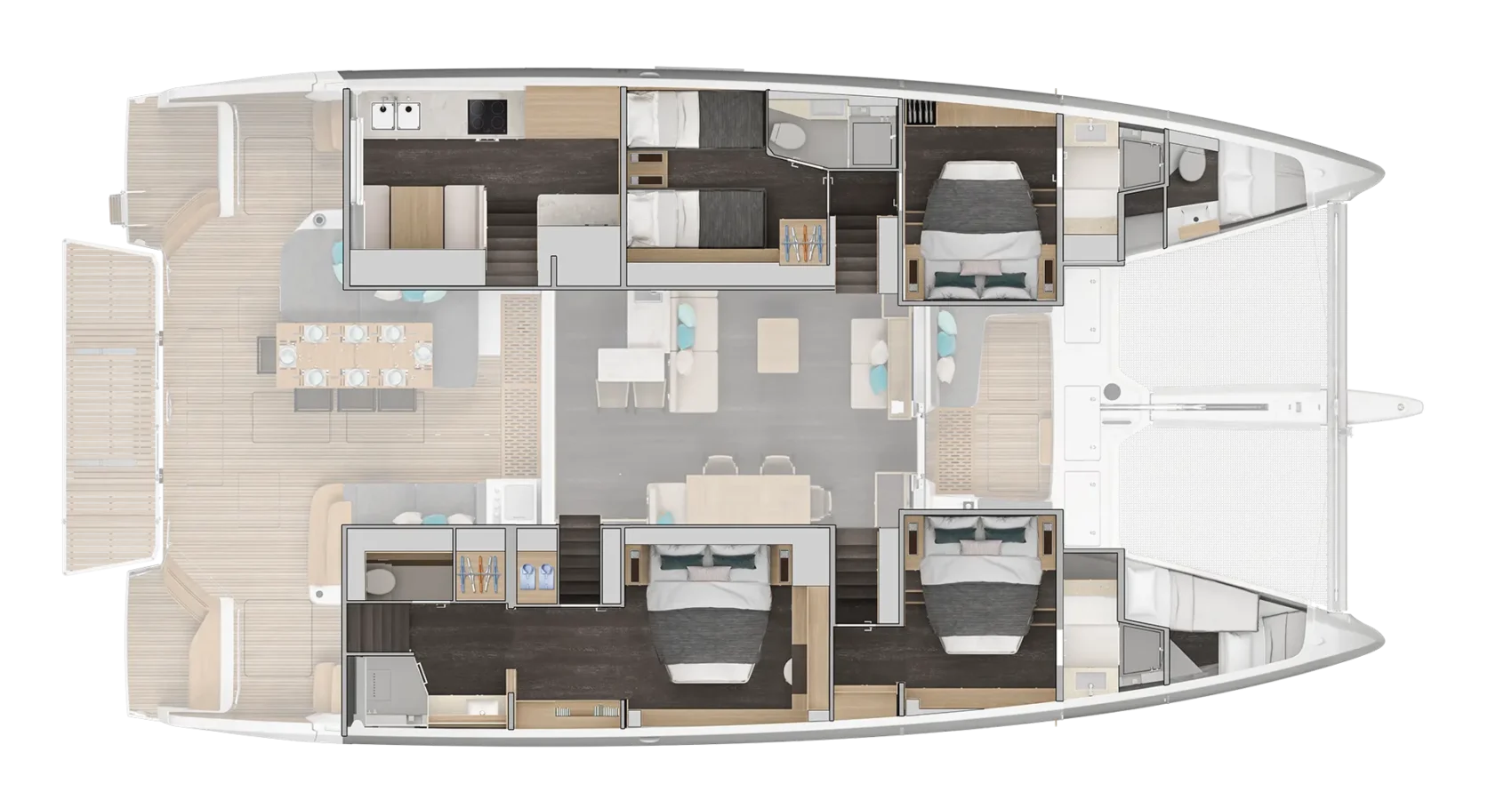
The modular solutions provided can adapt to the different needs of the owners, with two main configurations: 4 cabin version or5 cabin version. The owner’s cabin, located to starboard, is served by a bathroom separated by sliding doors and offers direct access to the aft cockpit.
Equipped as standard with two Yanmar 150 HP engines, it maintains a cruising speed of around 8 knots, and despite its size, the opposing thrust of the two engines combined with the assistance of the bow thruster allows for precise and manageable docking maneuvers.
Technical sheet and details
| Overall length | 18.27 m | 59’11’’ |
| Overall width | 9.87 m | 32’5’’ |
| Draft | 1.65 m | 5’5’’ |
| Height of mast | 30.00 m | 98’5’’ |
| Light displacement (CE) | 32.00 T | 70,560 lb |
| Sail area (upwind) | 239.00 m² | 2,572 sq. ft |
| Main sail area (Upper square top) | 149.00 m² | 1,603 sq. ft |
| Genoa area | 90.00 m² | 968 sq. ft |
| Standard engine | 2 x 150 HP | Yanmar |
| Fuel capacity | 1,300 L | 343 US Gal |
| Water capacity | 960 L | 254 US Gal |
| Berths | From 8 to 14 | 4 or 5 cabins |
| CE certification | A: 14 / B: 14 | C: 20 / D: 20 |
Cover image @Julien Gazeau
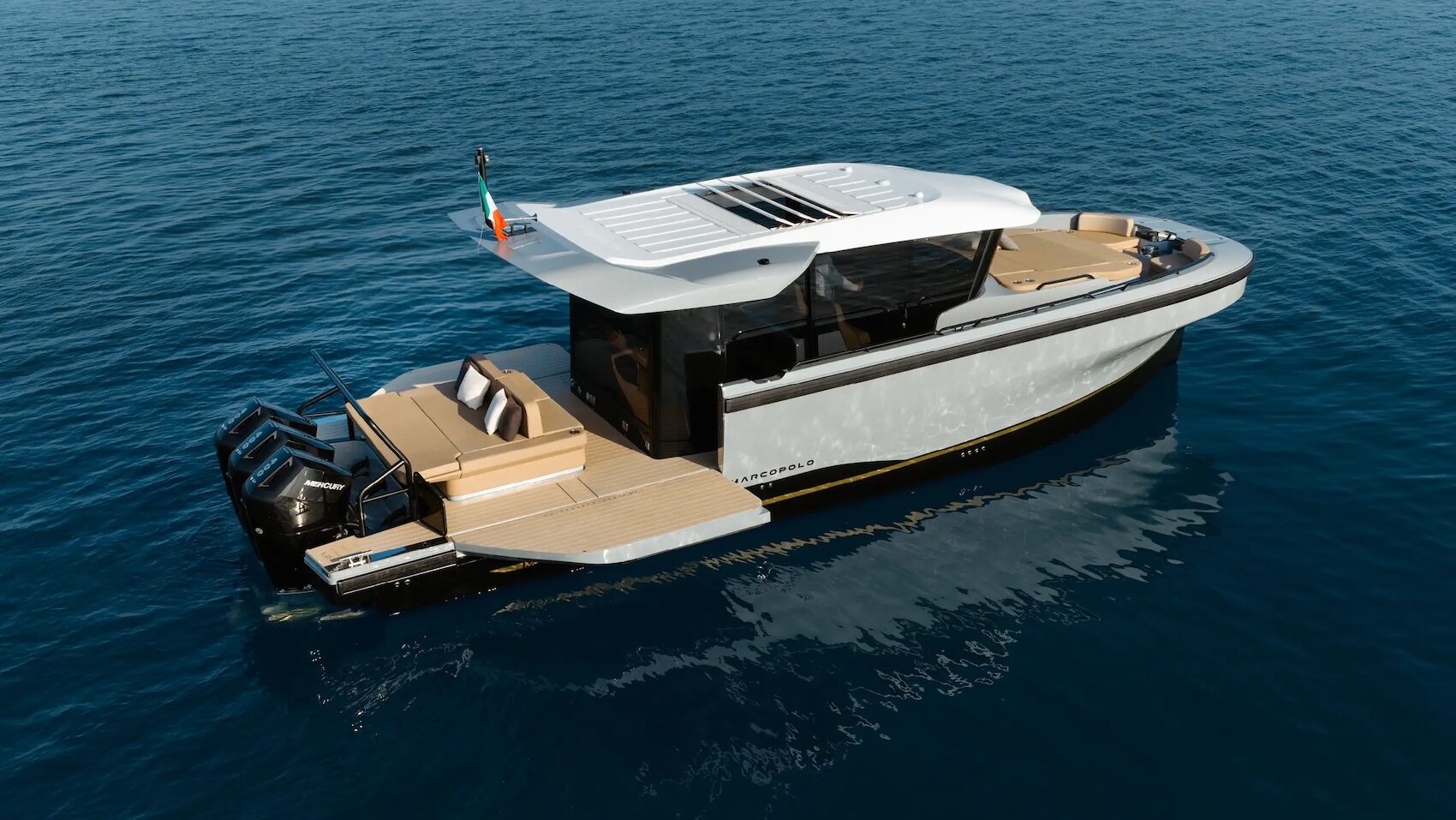
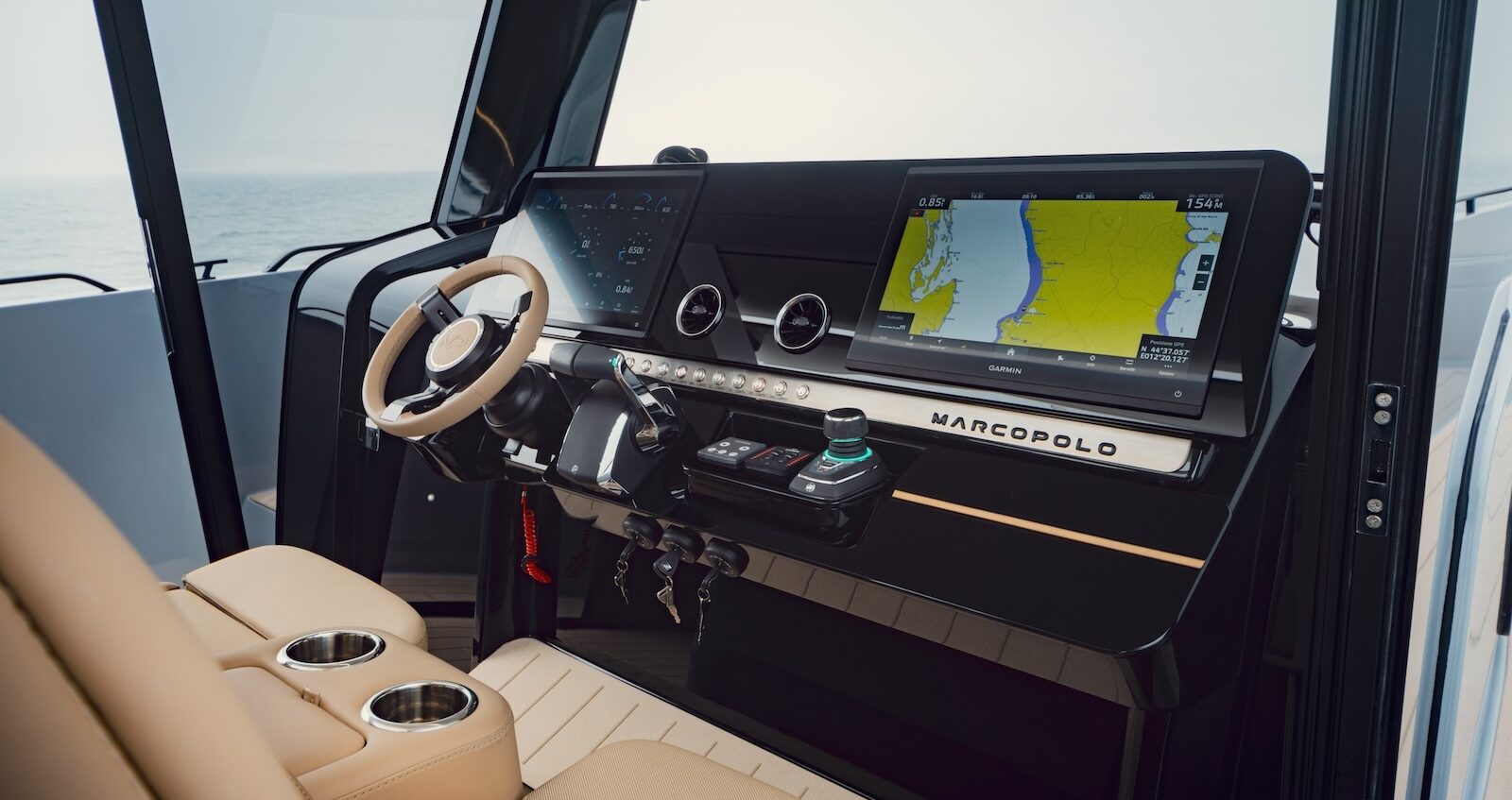
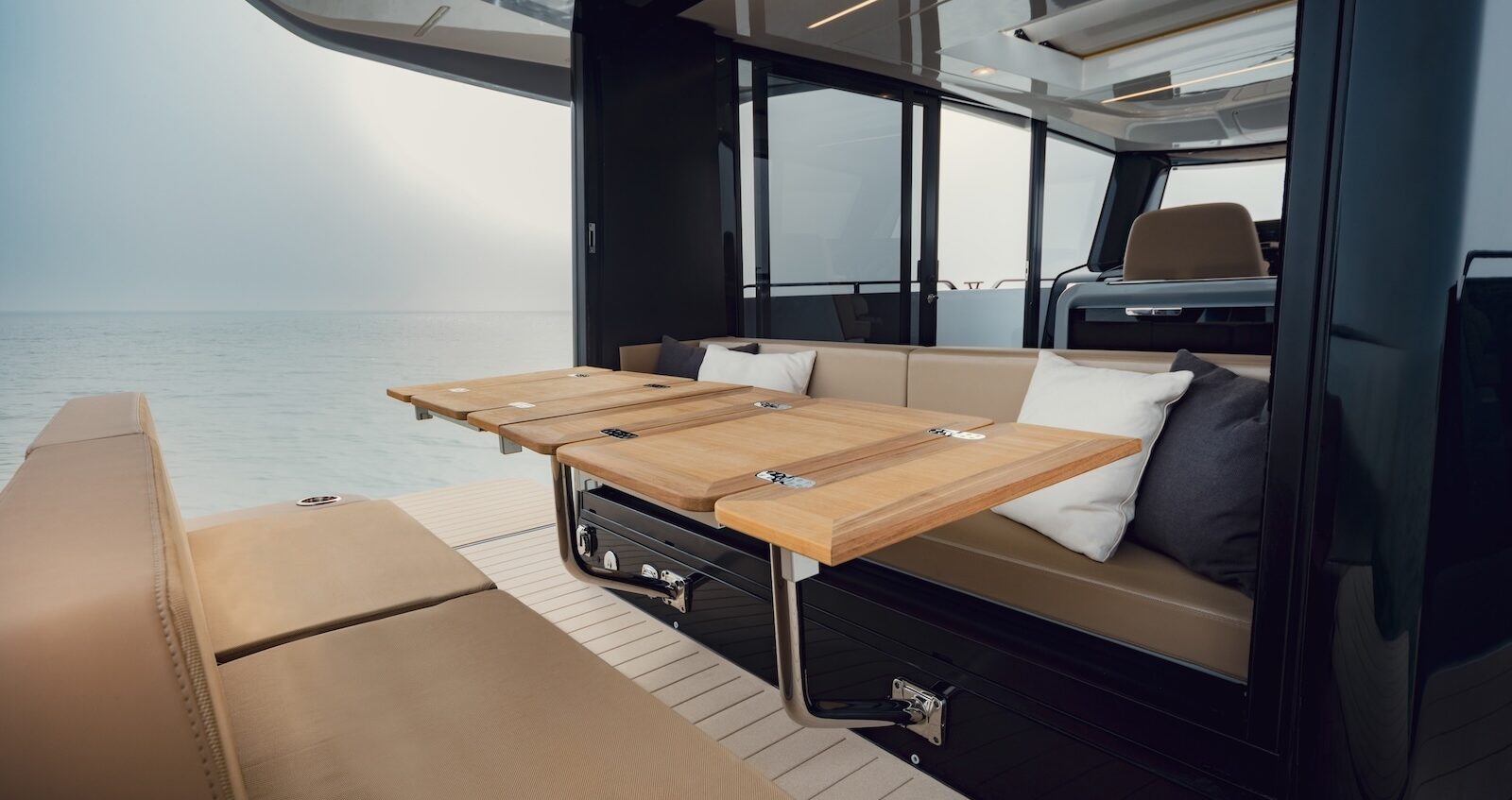
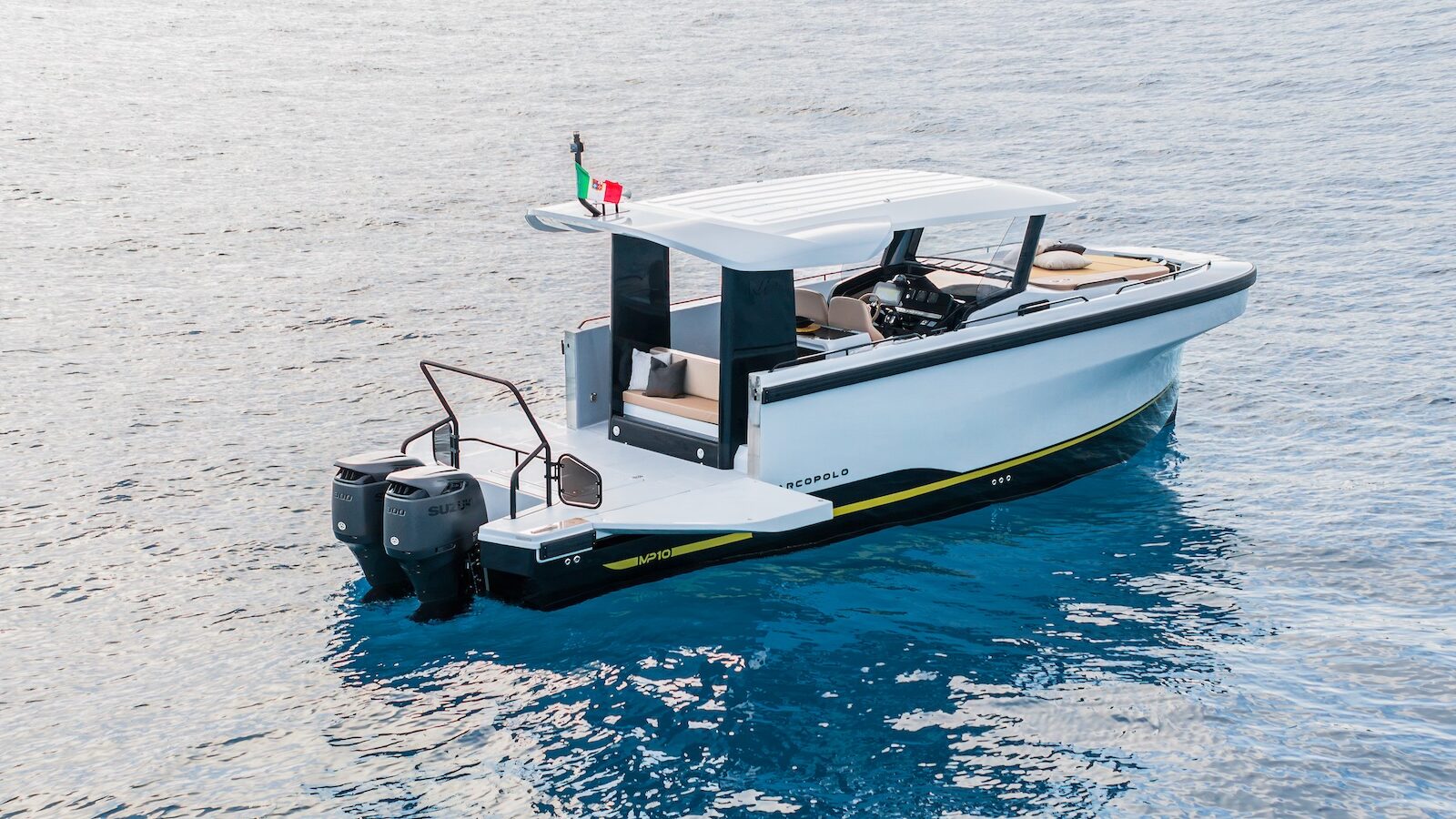
Marcopolo Adventure Yachts at the Cannes Yachting Festival with two new units, the MP12 and the MP10. The brand of the Aschenez group, born from the experience of Rosario Alcaro (already founder of Invictus Yacht and Capoforte) in collaboration with Roberto Delfanti Design Lab for design and 3AF Shipyard for production, with the launch of these two models, reinterprets the concept of Adventure Yacht, an experience at sea based on freedom, exploration, and technological innovation.
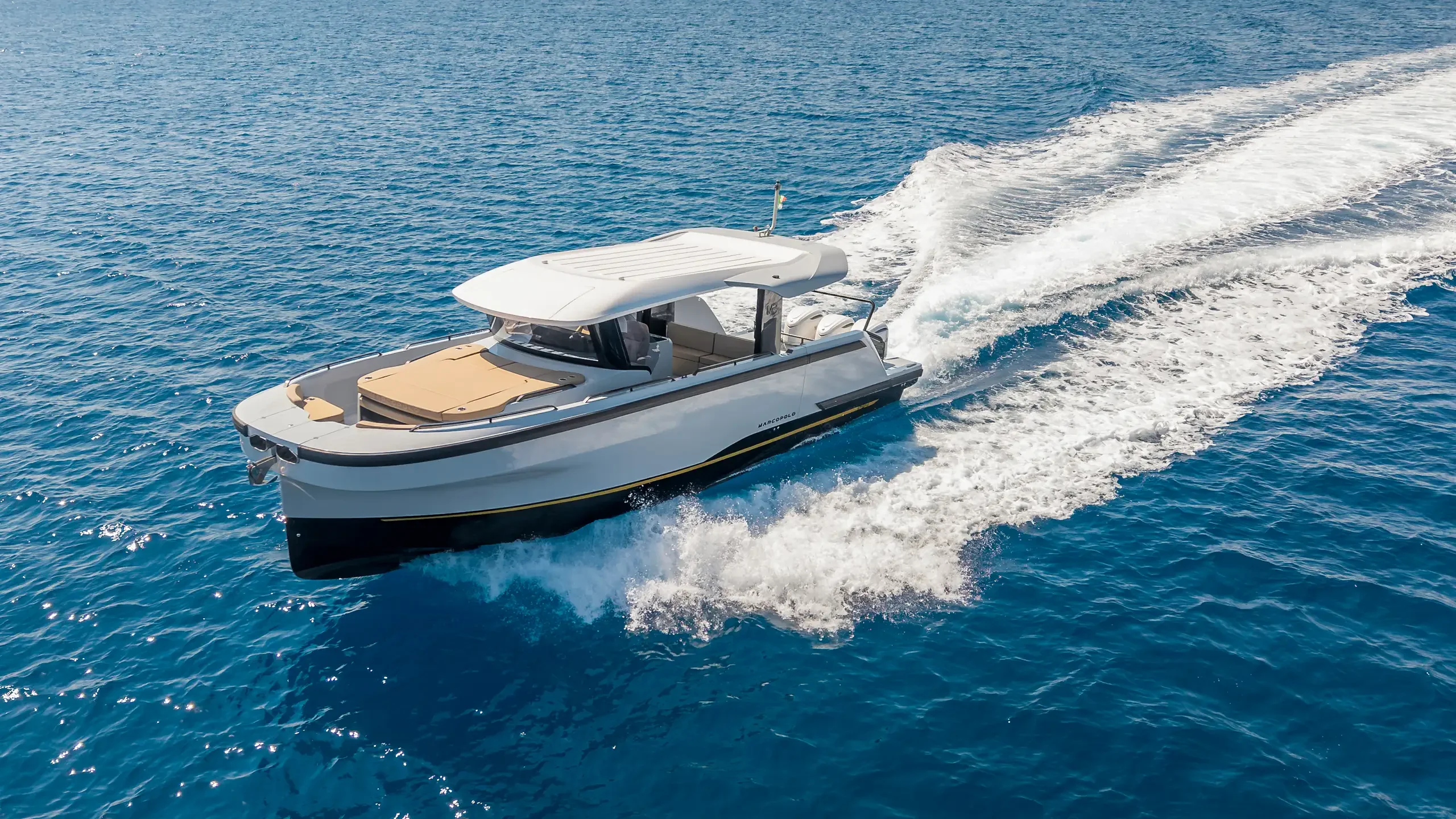
MARCOPOLO MP12 – the flagship of the range
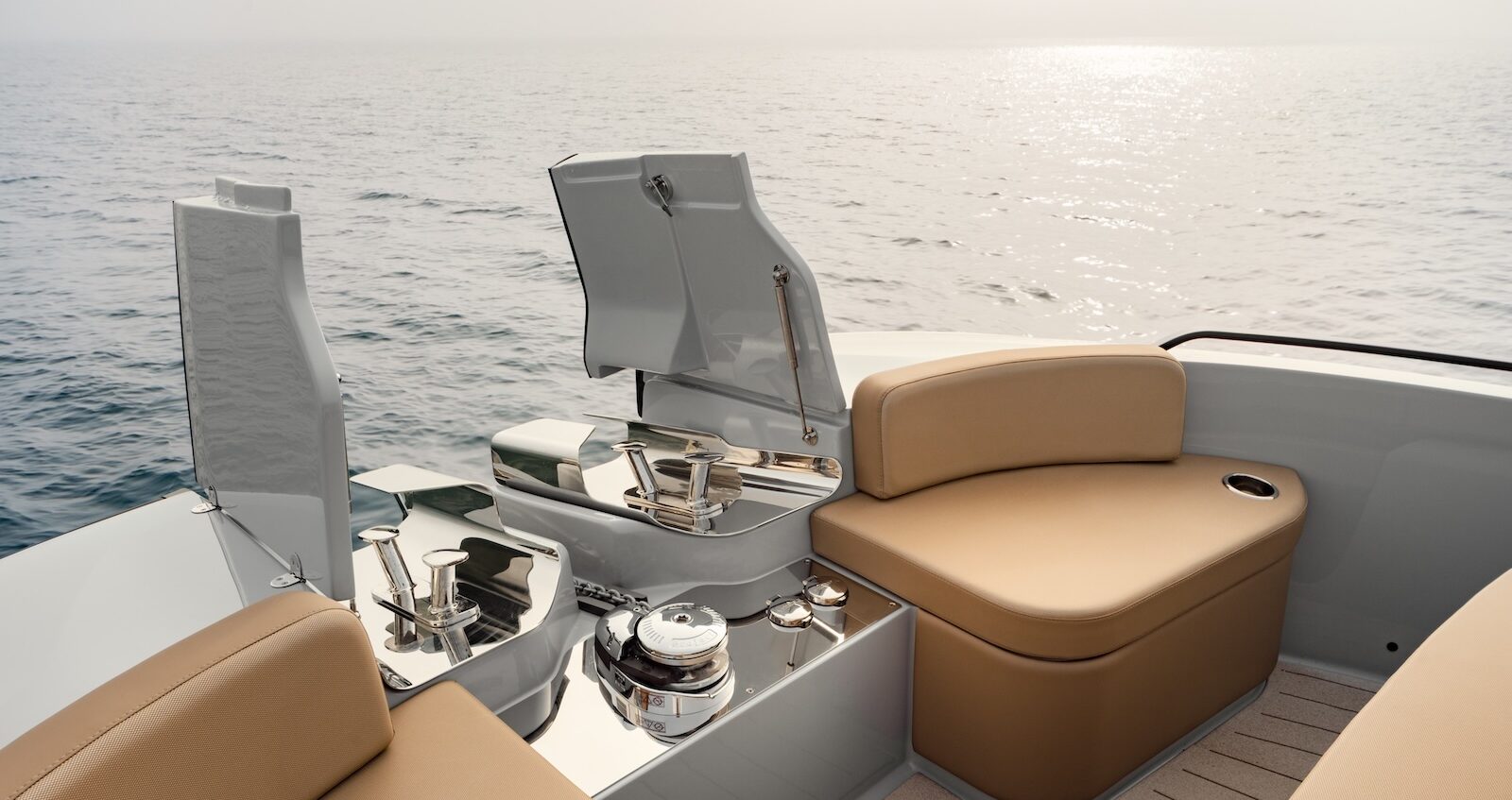
MP12 represents the ultimate expression of the concept of exploration and versatility signed by Marcopolo with its 12.7 meters in length and over 4 in width, it can accommodate up to 14 people on board, combining freedom of movement and space. The Opening side terraces, standard, expand the aft area transforming it into a good-sized platform.
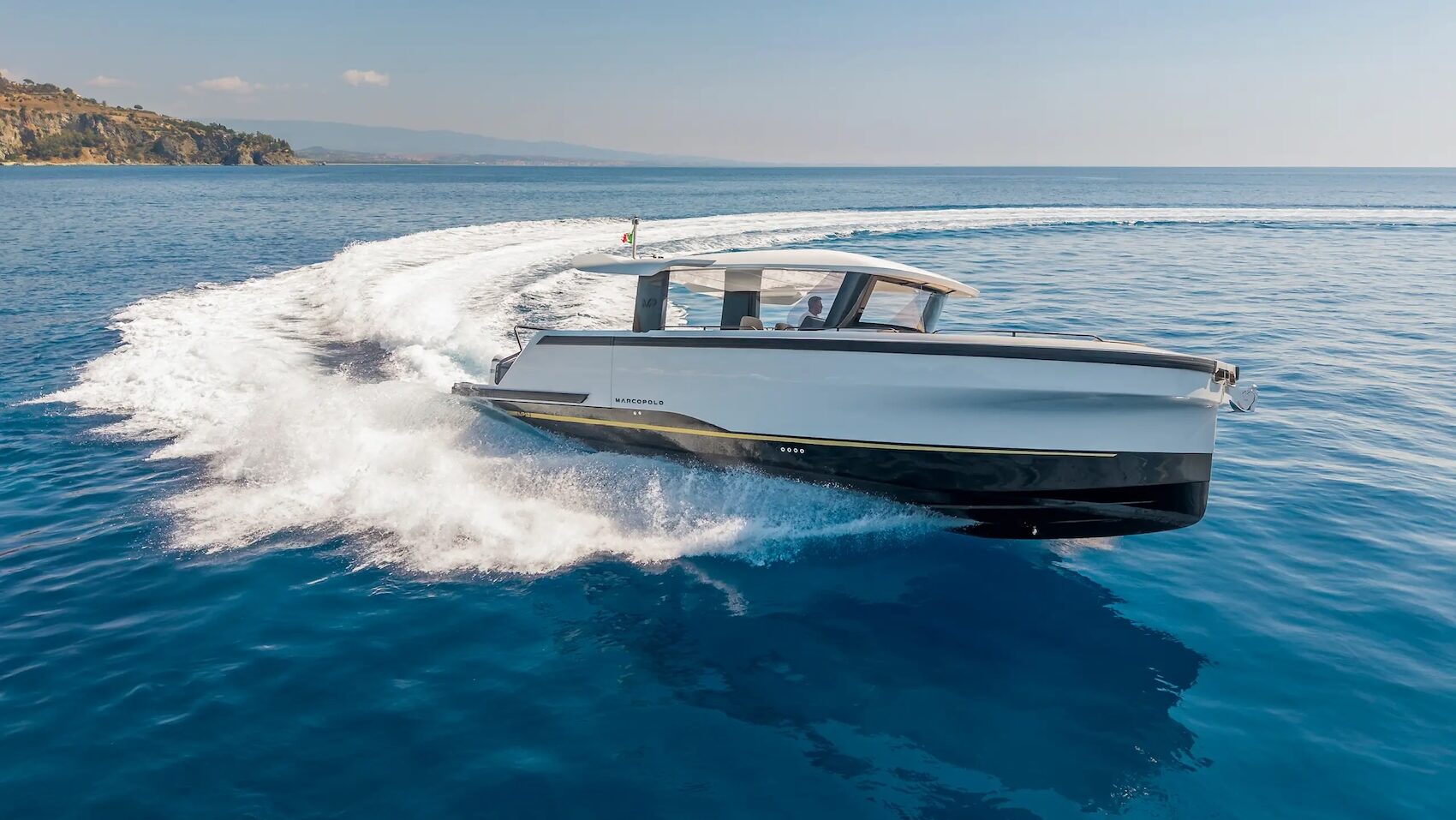
The use of carbon fiber in the supports and hardtop lightens the structure and increases its solidity; the three-step hull, optimized through CFD (Computational Fluid Dynamics) analysis, ensures high performance thanks to reduced friction with water, lowering consumption while maintaining excellent stability. This configuration also allows for planing navigation with a more horizontal attitude compared to the surface, ensuring safer driving visibility.
Marcopolo M12, two cabins and four berths
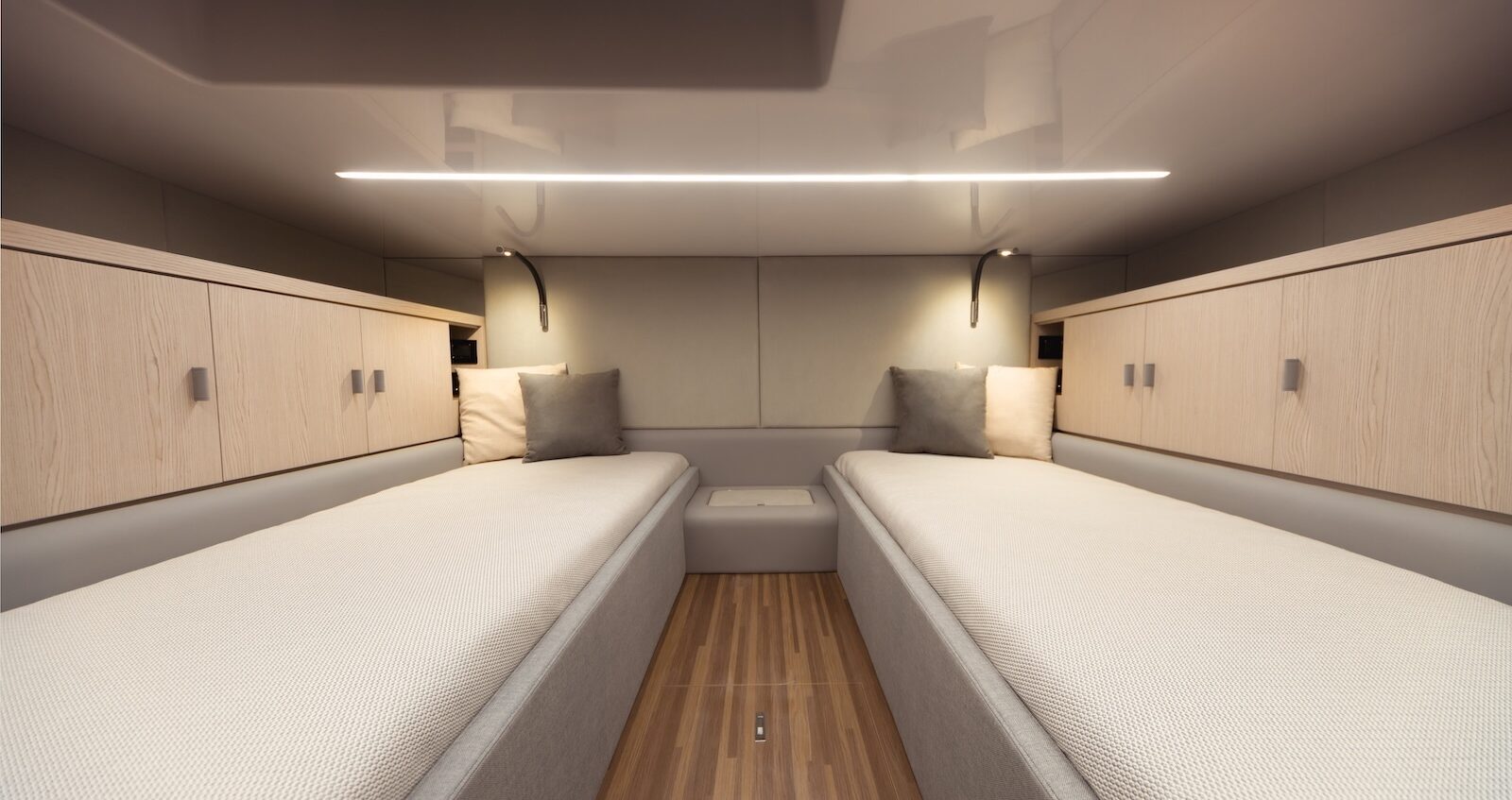
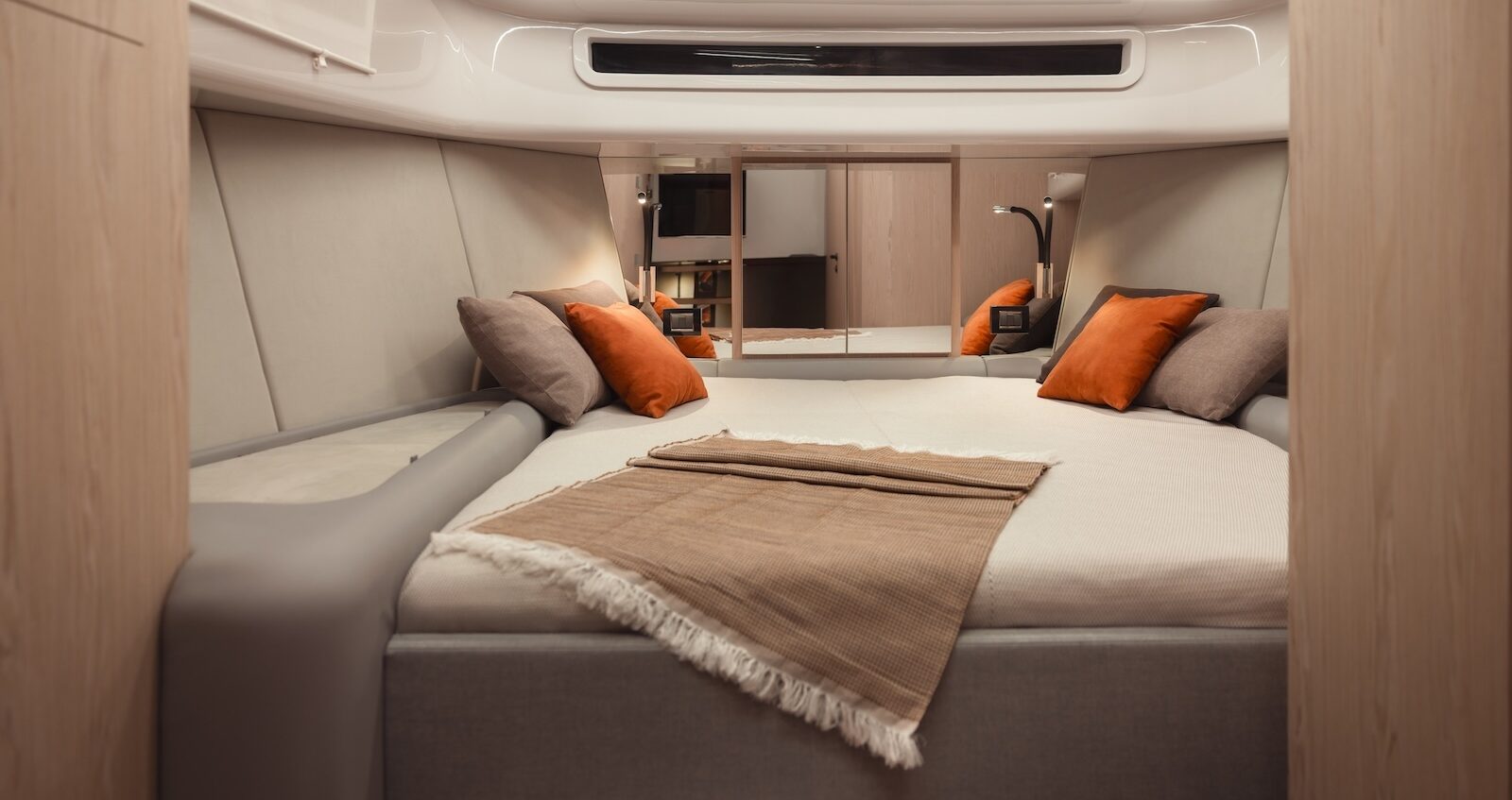
Two cabins and four berths make the MP12 perfect for longer cruises, with spaces designed to enhance comfort without sacrificing practicality. Natural woods and refined fabrics create a very relaxing environment, from the bow cabin with a double bed to the stern cabin with two single beds, each area is welcoming and bright, the bathroom with a separate shower adds an additional element of style and comfort on board.
Technical sheet MP12
| OVERALL LENGTH | 12.70 m |
| MAXIMUM OVERALL WIDTH | 4.05 m |
| MAXIMUM NUMBER OF PEOPLE | 14 |
| APPROVAL CATEGORY | B |
| ENGINE | 3×450 HP |
| FRIDGE | 2×130 l Opt |
| FUEL TANK | 1590 l |
| WATER TANK | 247 l |
| WASTE WATER TANK | 112 l |
| MATERIALS OF HULL/DECK LAMINATION | Fiberglass |
| DESIGN | Roberto Delfanti |
MP10 – the compact high-performance model
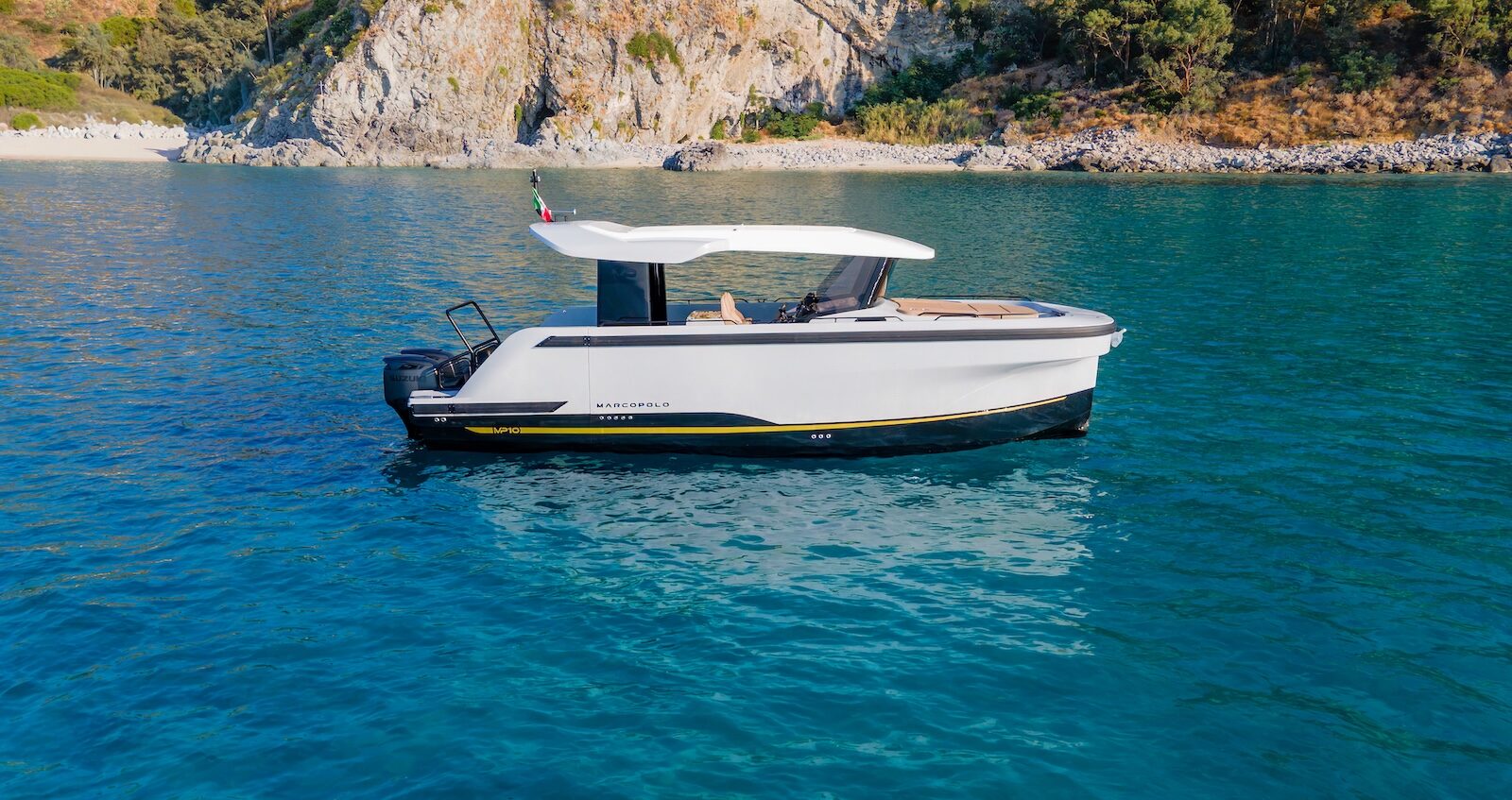
MP10 encapsulates the entire DNA and adventurous spirit of the flagship in a more contained and dynamic dimension, with its 9.96 meters in length and over 3 meters in width, the MP10 can accommodate up to 12 people. Its wide open bow becomes a convivial space for relaxation.
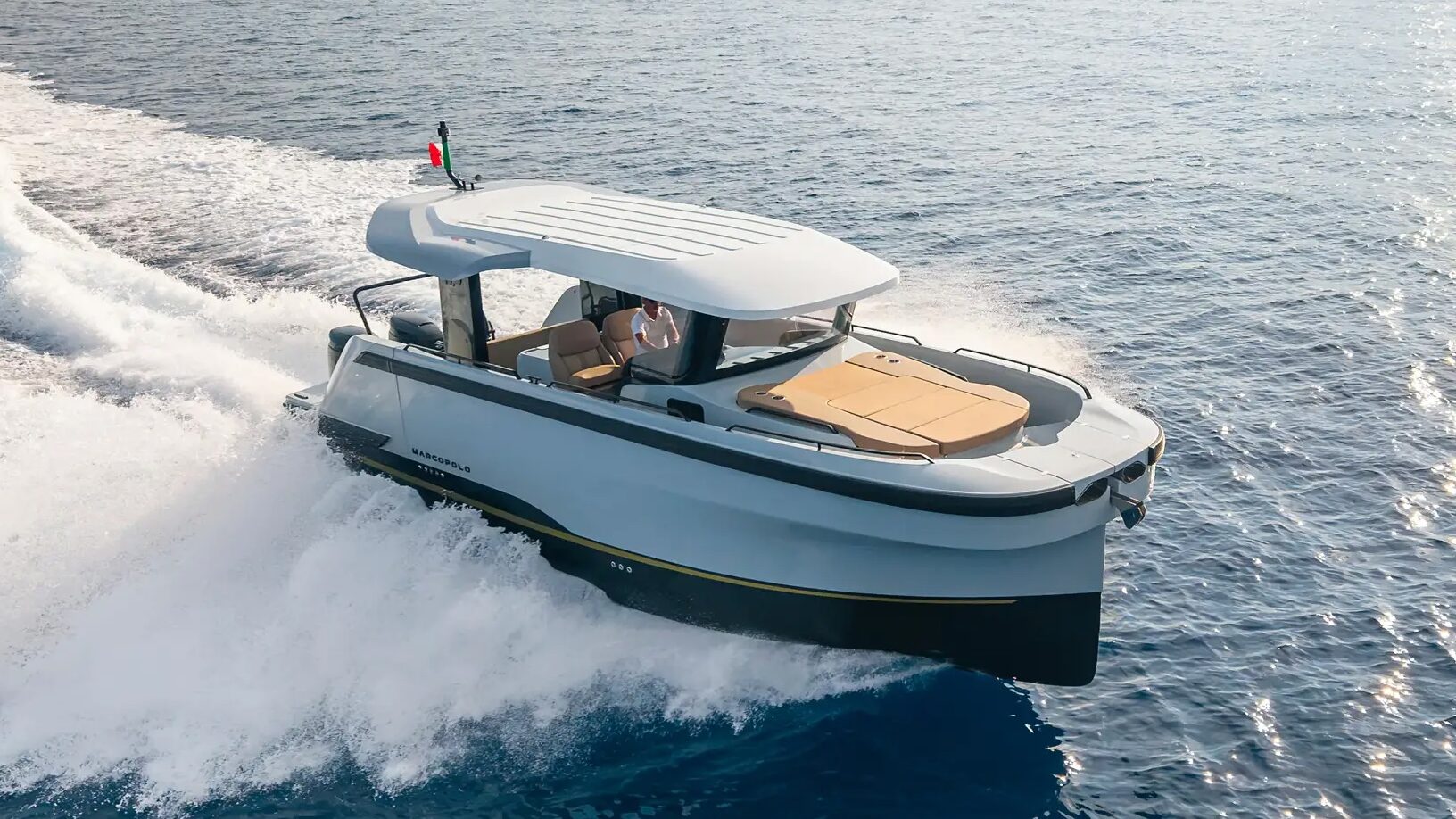
Thanks to the foldable side openings, the aft area transforms into an open space in contact with the sea. Here too, the shipyard has chosen a two-step hull to balance navigation comfort and sea holding with reduced consumption.
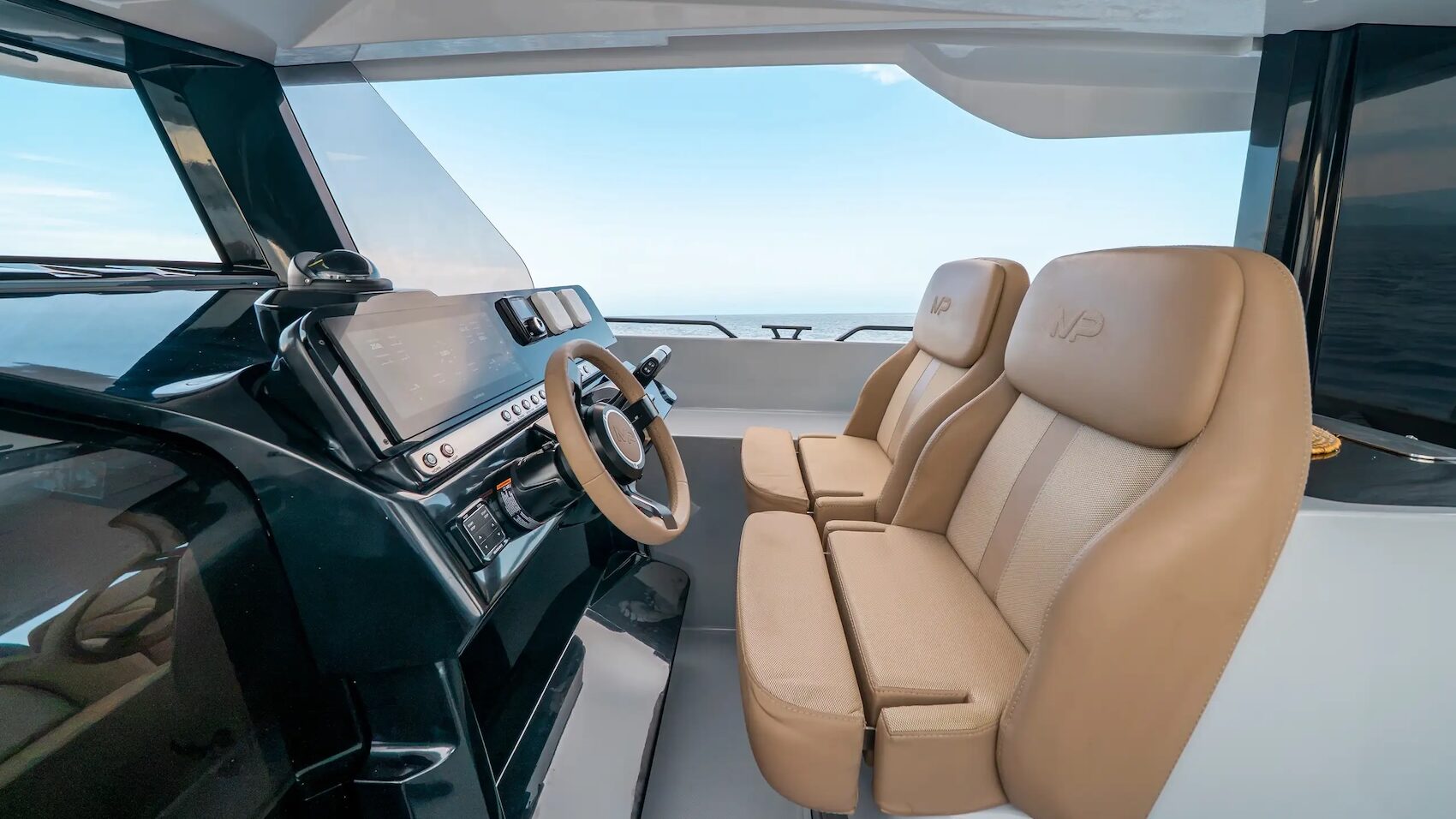
Ergonomic and highly functional, the command station offers an excellent view. The extended T-Top and windshield provide effective protection against the elements. The two adjacent ergonomic seats are configured to ensure maximum comfort even during prolonged navigation.
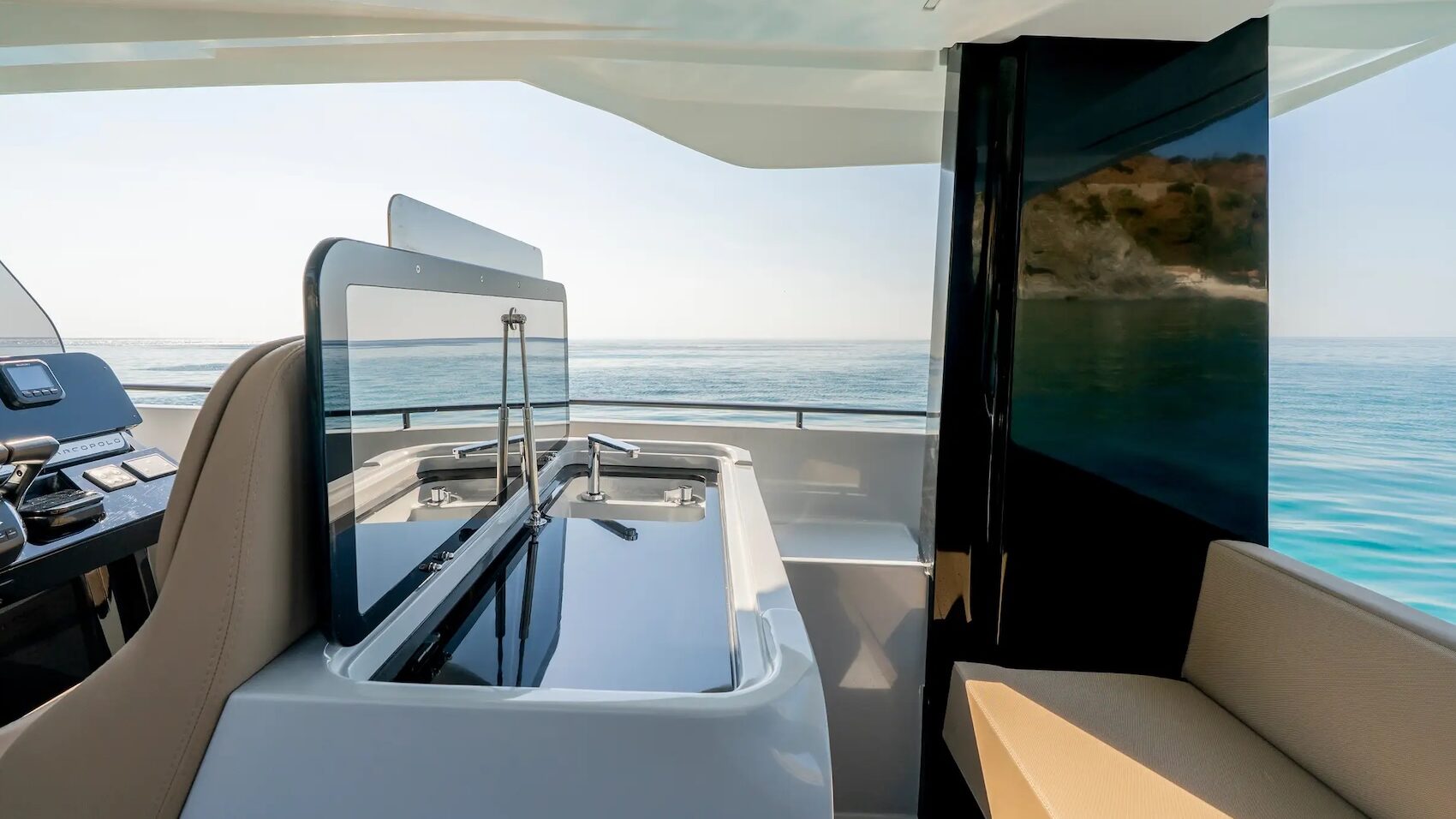
At the center of the boat is the wet-bar/kitchen unit located under the large fully customizable protective T-Top (with grill, sink, and built-in refrigerator), along with side passages that ensure safe onboard flow.
The interiors of the MP10
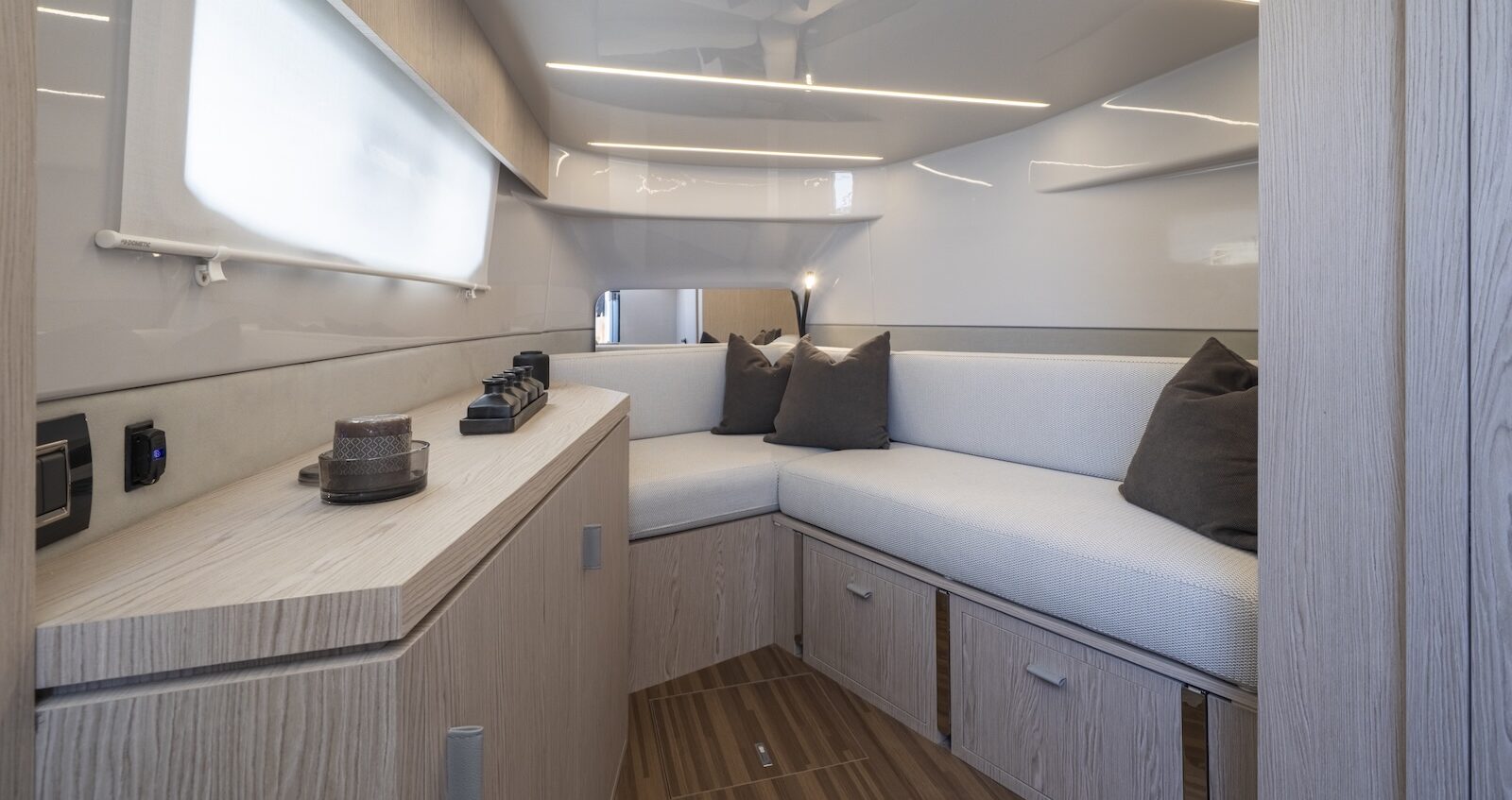
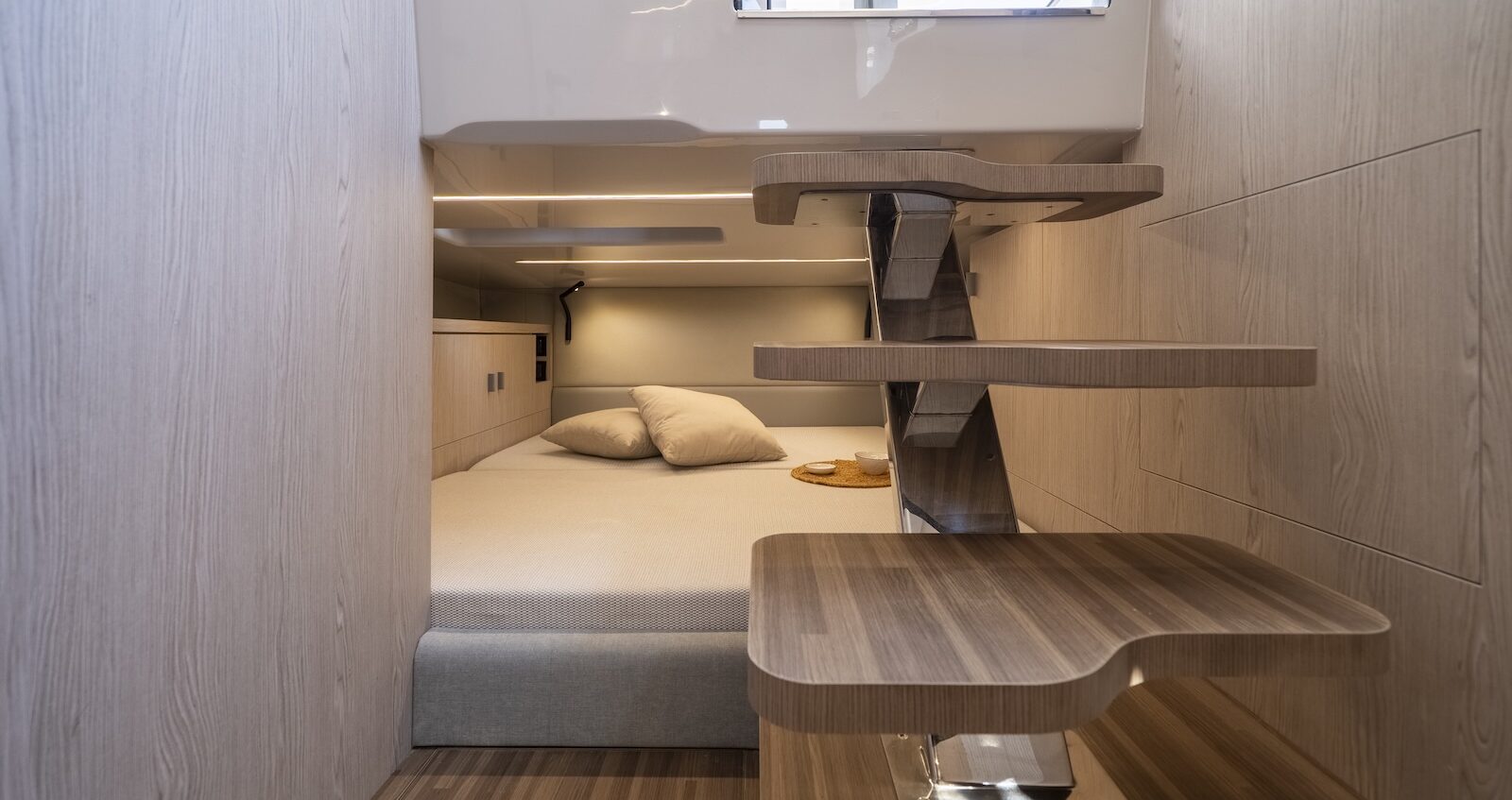
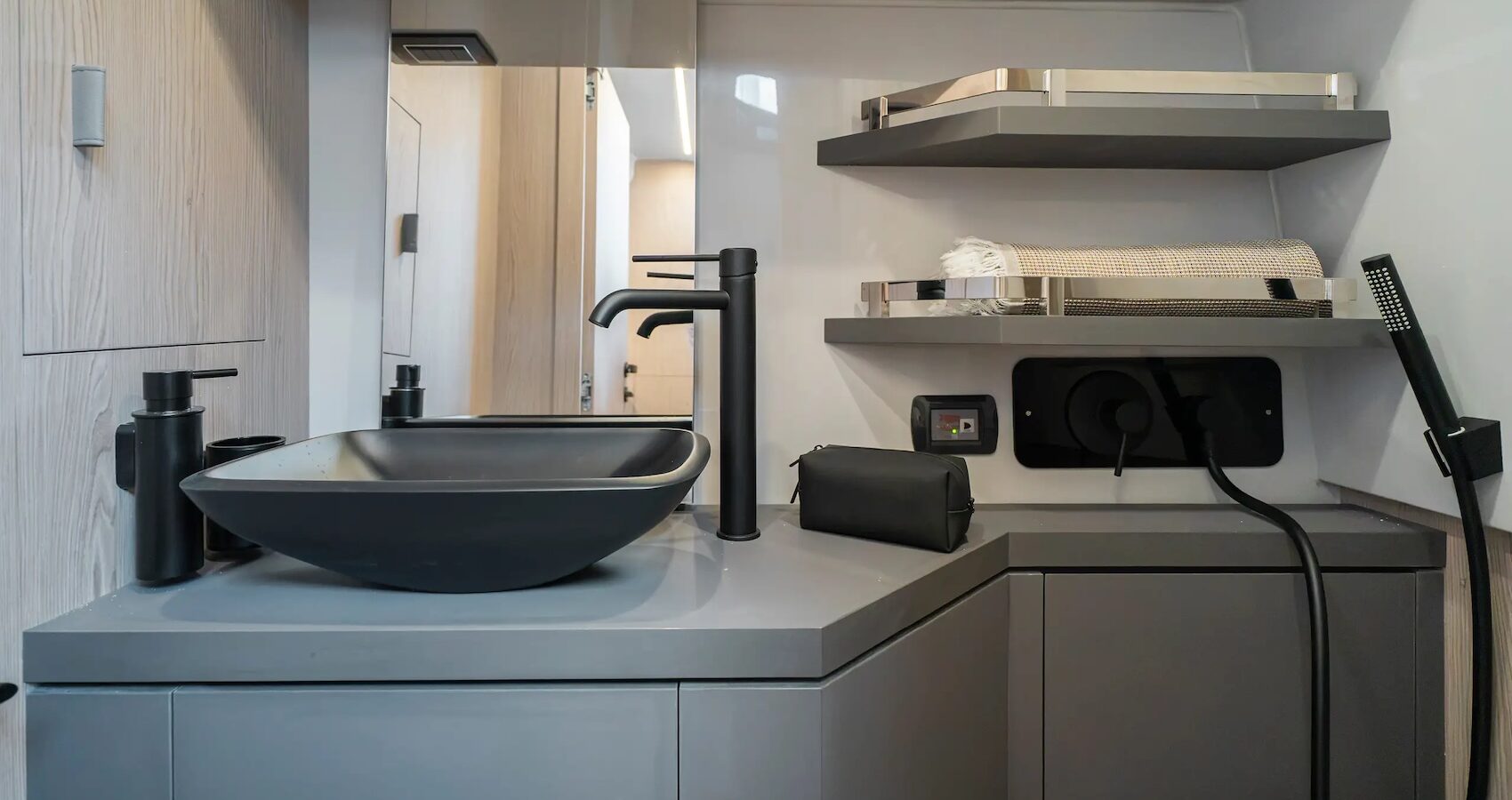
Below deck, the standard version features a bright bow area served by a sofa on the starboard side and a double bed positioned at the stern. For those seeking greater flexibility, an optional version is available where the dinette transforms into a comfortable bed, ideal for longer stays. A bathroom on the starboard side of the boat is spacious despite the MP10 being under 10 meters in length.
Technical specifications
| Feature / Specifications | Value | Unit of Measure |
| Overall length | 9.96 | m |
| Maximum overall width | 3.05 | m |
| Maximum number of people | 12 | people |
| Approval category | B | |
| Engine | 2 x 350 | hp |
| Fridge capacity | 2 x 100 (Opt) | l |
| Fuel tank | 540 | l |
| Water tank | 117 | l |
| Waste water tank | 77 | l |
| Materials of hull/deck lamination | Fiberglass | |
| Design | Roberto Delfanti | |
| Builder | 3AF Shipyard |
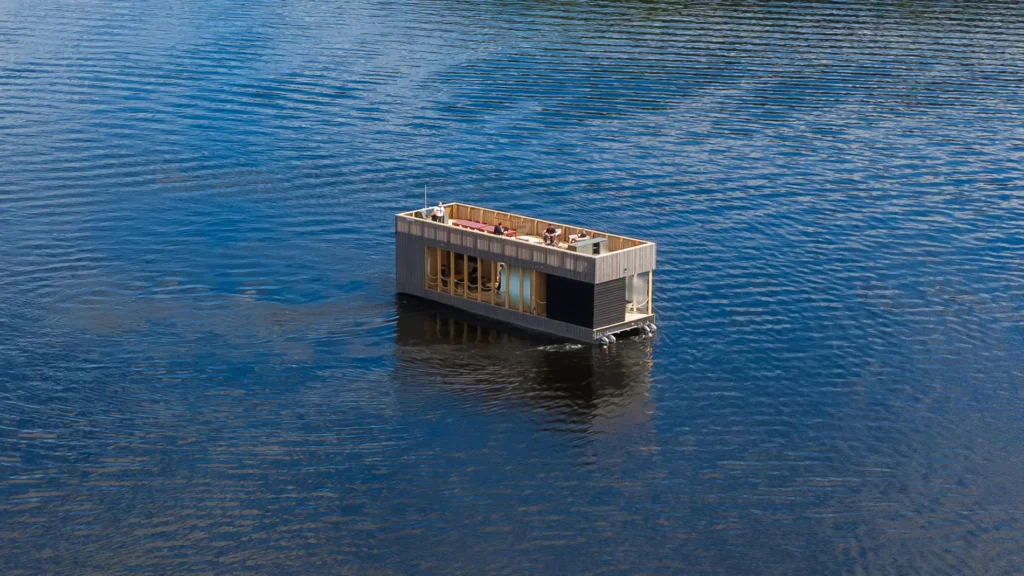
Yamaha Motor Co., Ltd. has announced its participation in an innovative pilot project (Proof of Concept – PoC) in Finland to explore the combined use of hydrogen energy and electric propulsion in the nautical sector. This first experiment represents a significant initiative as it integrates hydrogen energy with electric propulsion in the nautical field.
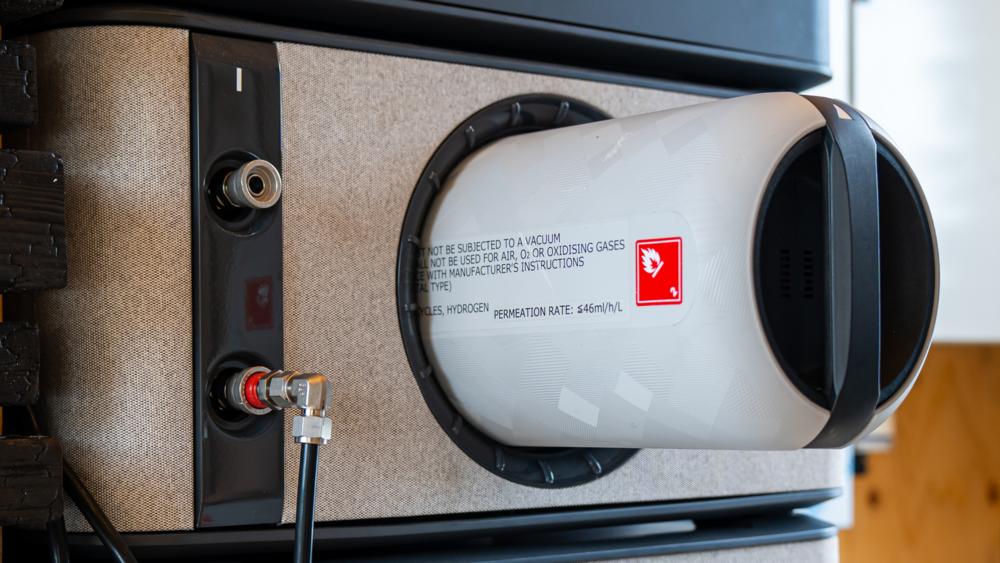
The propulsion is provided by the Yamaha HARMO engine, an integrated system of power and steering with a rim-drive motor (without a central shaft). This sophisticated technology allows for smooth delivery and absolute quietness, ideal for low-speed navigation and in freshwater. Without mechanical gears, drive shafts, or couplings, noise and vibrations in the water are almost eliminated.
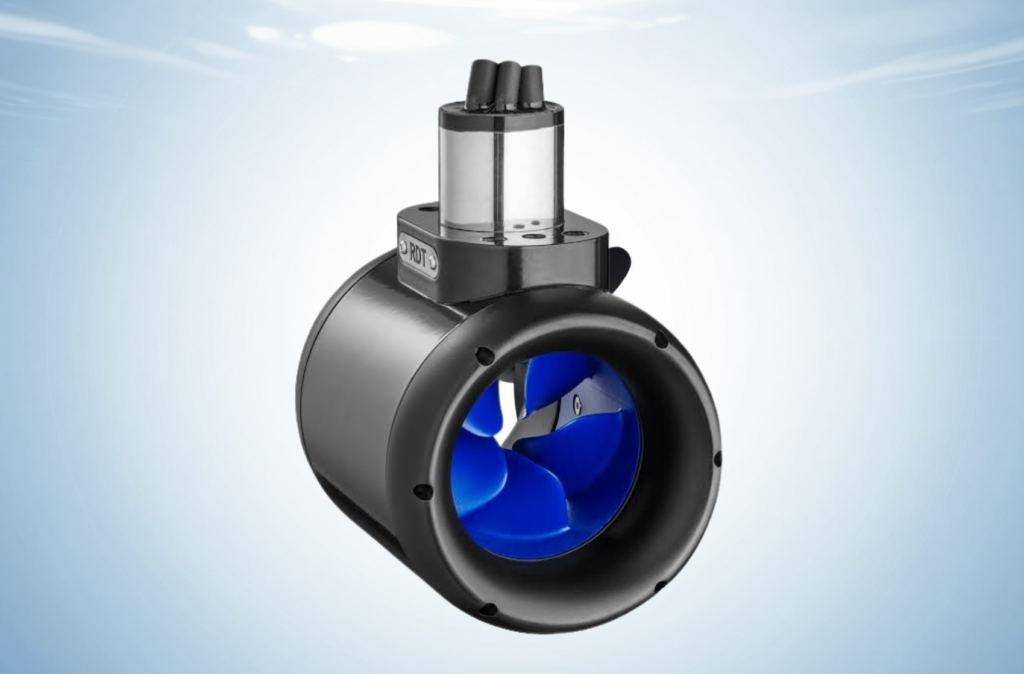
Yamaha Motor, technology and research
For Yamaha Motor, this is the first important step towards a system that is completely autonomous, with the electricity for the HARMO engine generated by fuel cells powered by interchangeable hydrogen cartridges, allowing for a green energy cycle. Another advantage is that there is no need to rely on land infrastructure for hydrogen refueling, which is almost non-existent today. As this is a technological demonstration project and Proof of Concept, Yamaha Motor has specified that immediate commercialization of the model is not planned.
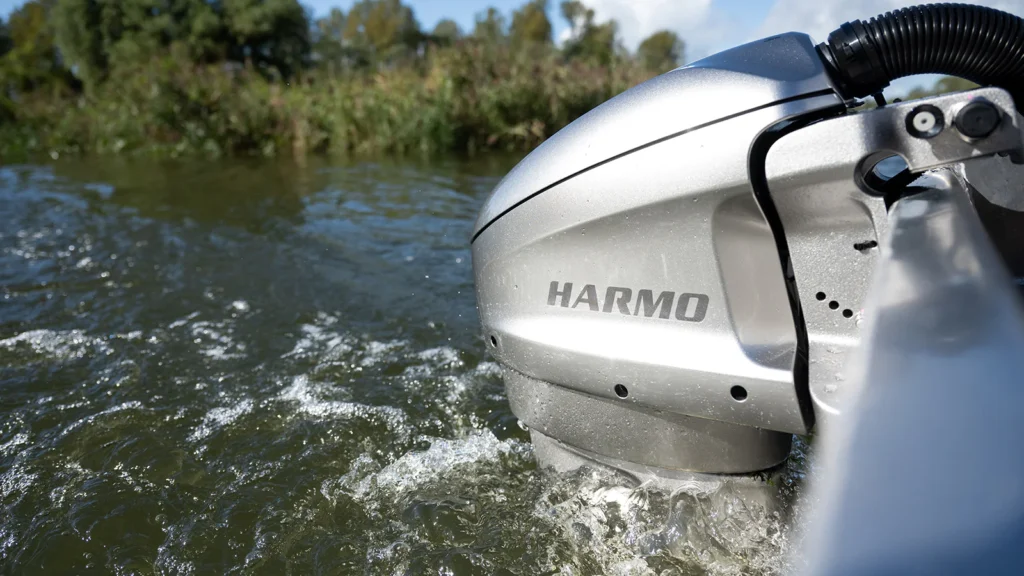
For Yamaha Motor, the development and refinement of this project falls within the strategy to achieve carbon neutrality in both the nautical and mobility sectors.
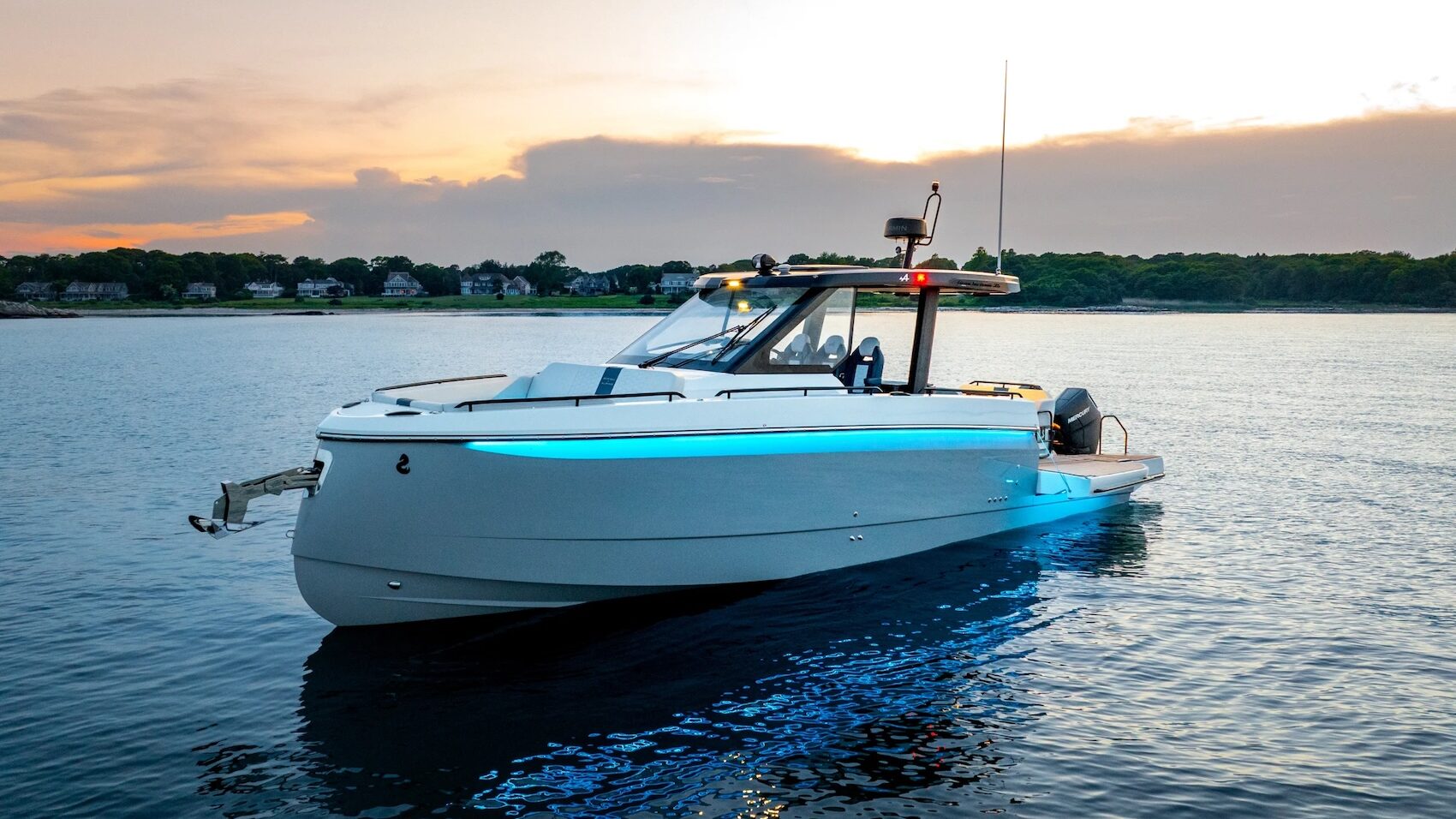
Gran Turismo 35, compact and versatile, the Crossover with a sporty soul and interiors designed for luxury and modularity. Its ultramodern hull perfectly embodies the ability to navigate and comfort, inspired by a modern lifestyle, the modular layout of the cockpit offers a versatile space ideal for relaxing or racing at high speeds utilizing all the power.
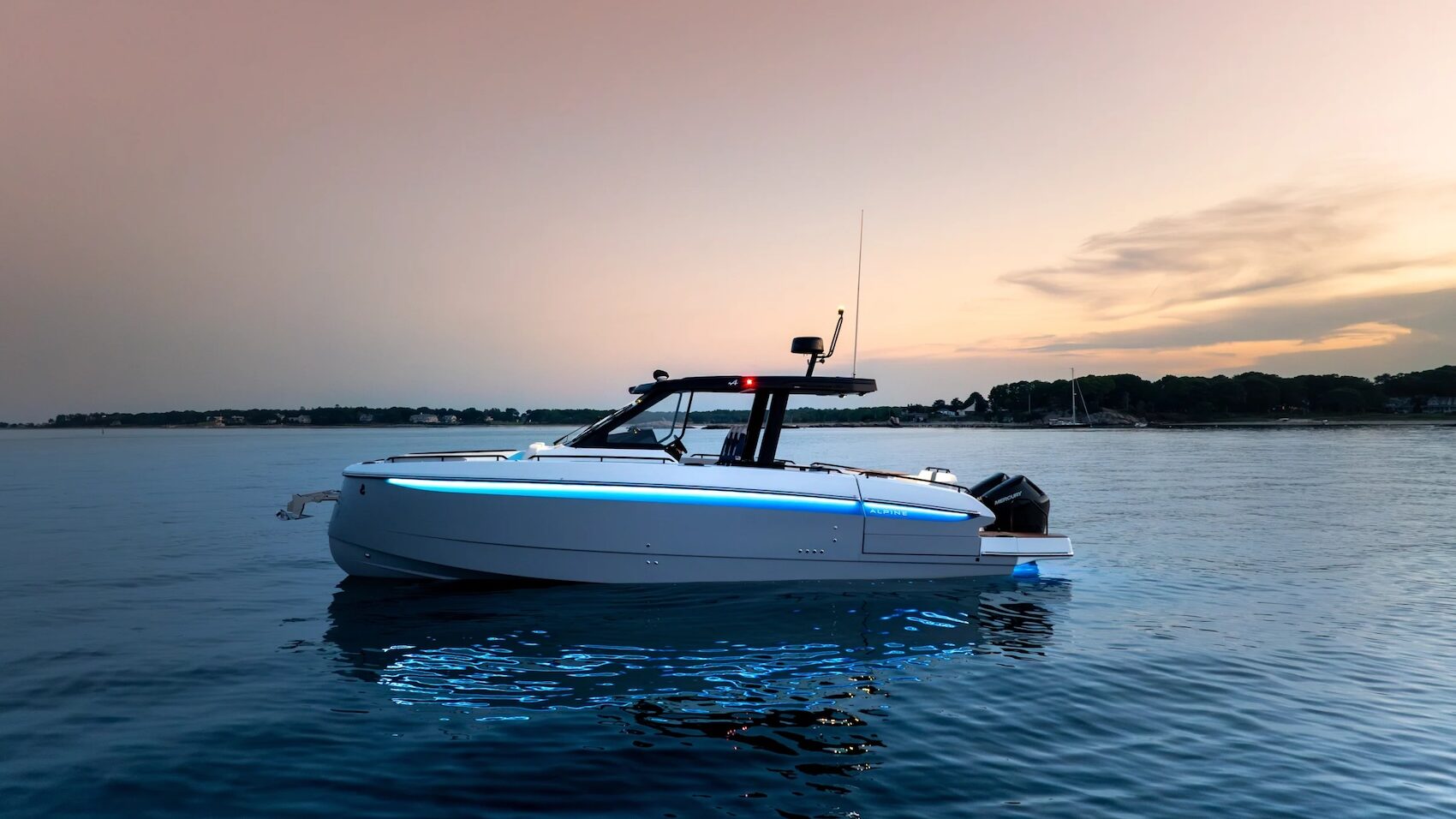
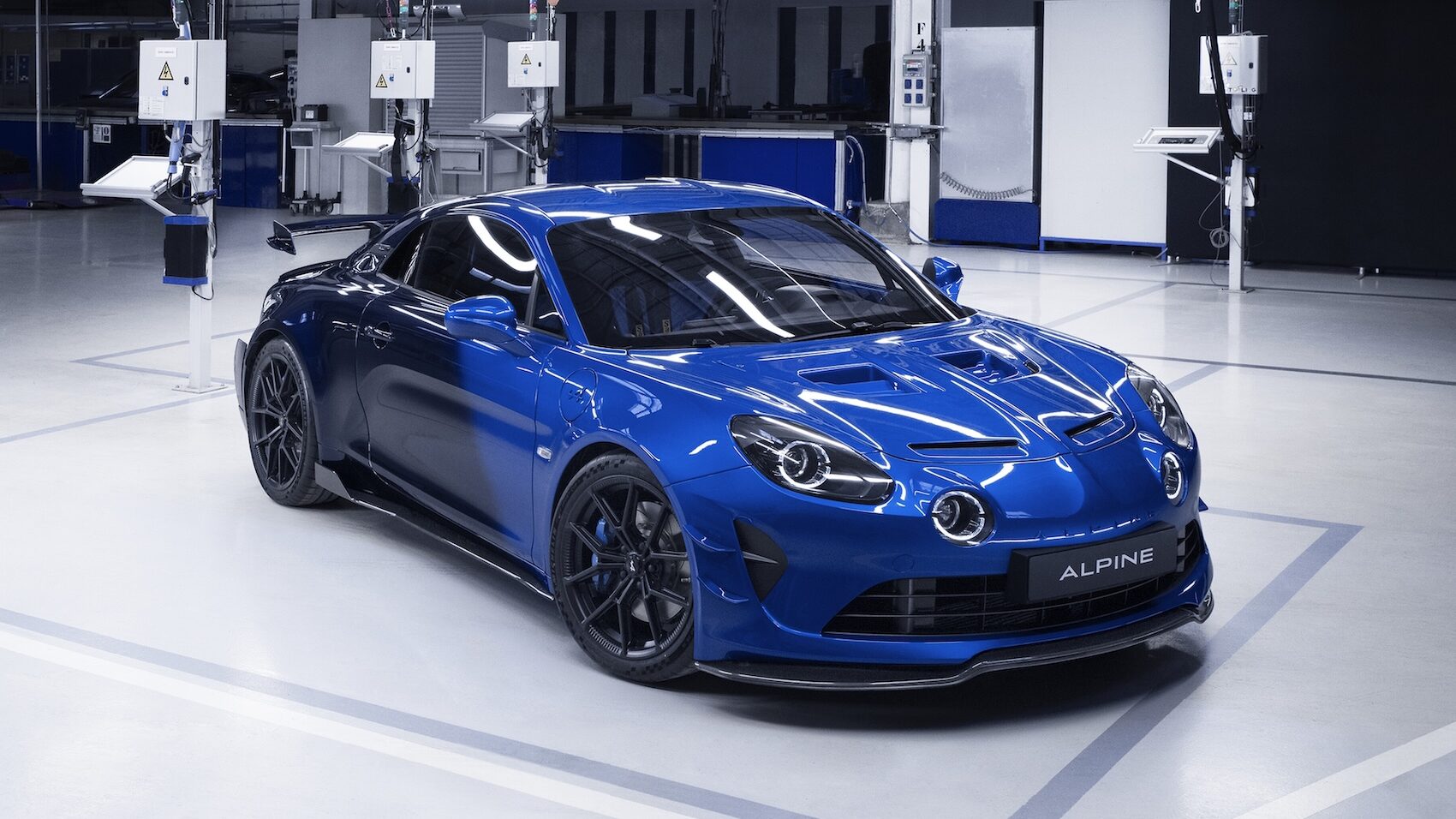
The collaboration between BENETEAU and Alpine, a leading brand in the high-end sports sector, has given rise to exclusive limited editions within the new Gran Turismo range, further strengthening the unmistakable style of this line. The yachts are adorned with the Alpine signature: shades of blue and black, high-end upholstery, the presence of the logo with the arrowed “A” and an optimized helm station.
A fully optimized dashboard with automotive-inspired steering wheel and ergonomics designed for maximum control at speed, three side-by-side seats featuring high-end upholstery, enhanced by contrasting handcrafted stitching, that maintain the style of the famous Alpine cars. A combination made of attention to quality and all the details that enhance the history of the two brands, on one side Beneteau with its 140 years of history in yachting, on the other an iconic brand that has been building cars since 1955 where beauty meets engineering.
This is an exciting moment for BENETEAU. Gran Turismo is a highly successful range of boats for fast cruising, showcasing our technology, performance, and style. But it was necessary to update and modernize the models for our core market. Designed with the consumer at the center, the new range embodies our vision of “Sport-Lux”, offering open spaces with a sense of luxury. The brand new Gran Turismo range represents the ultimate express cruiser crossover – says Eric LeVine, Motor Yachts Sales Director
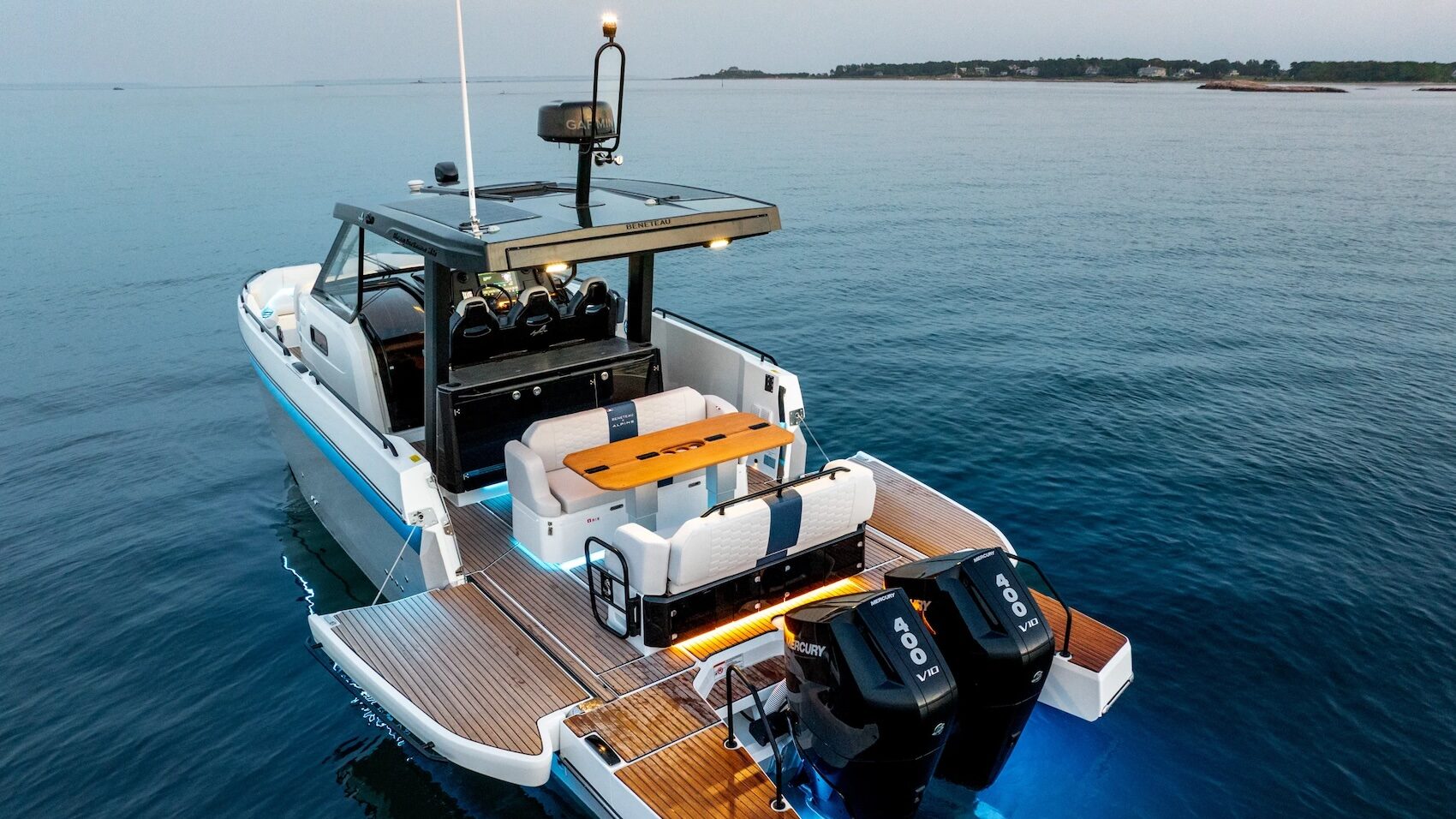
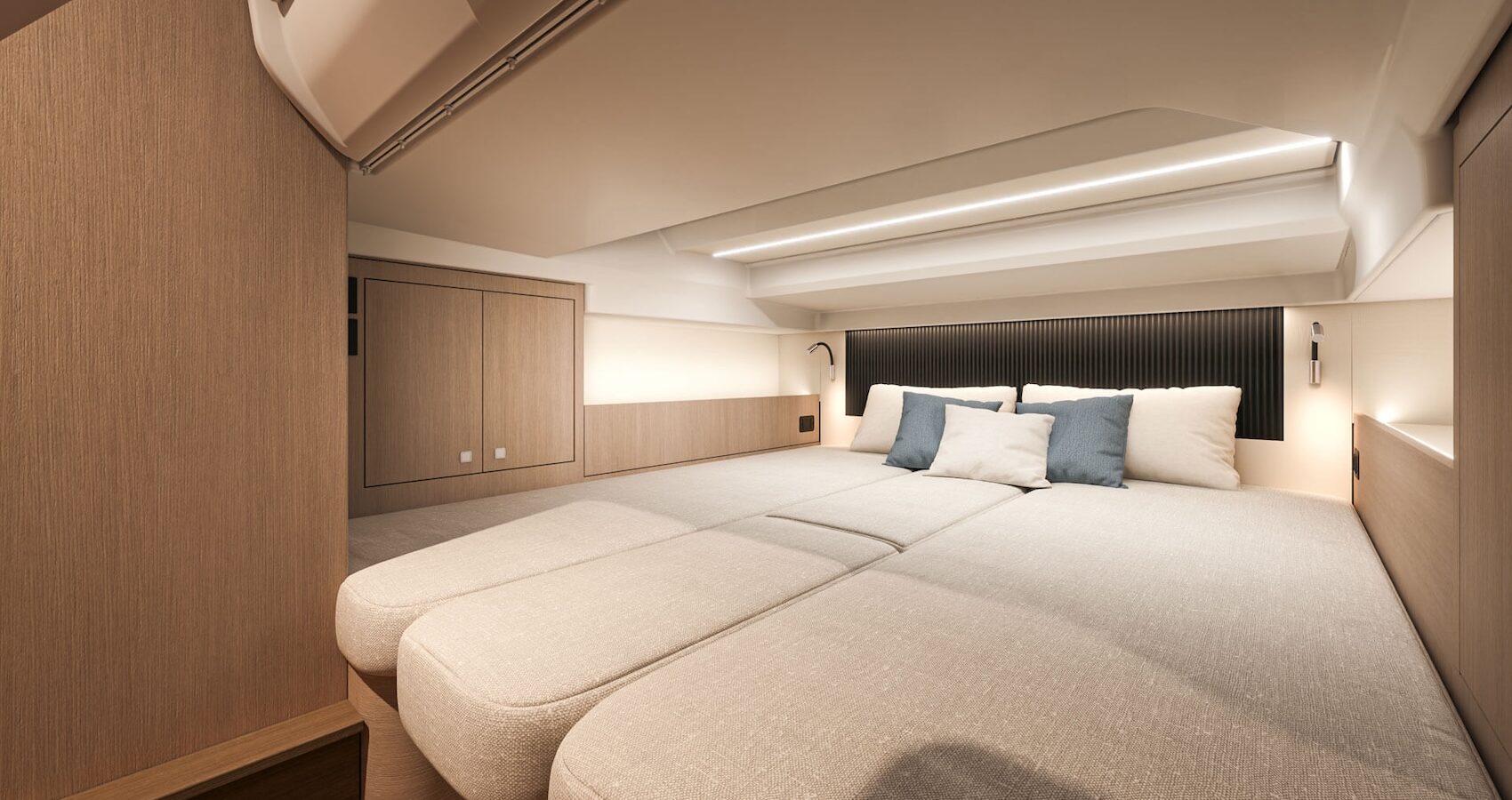
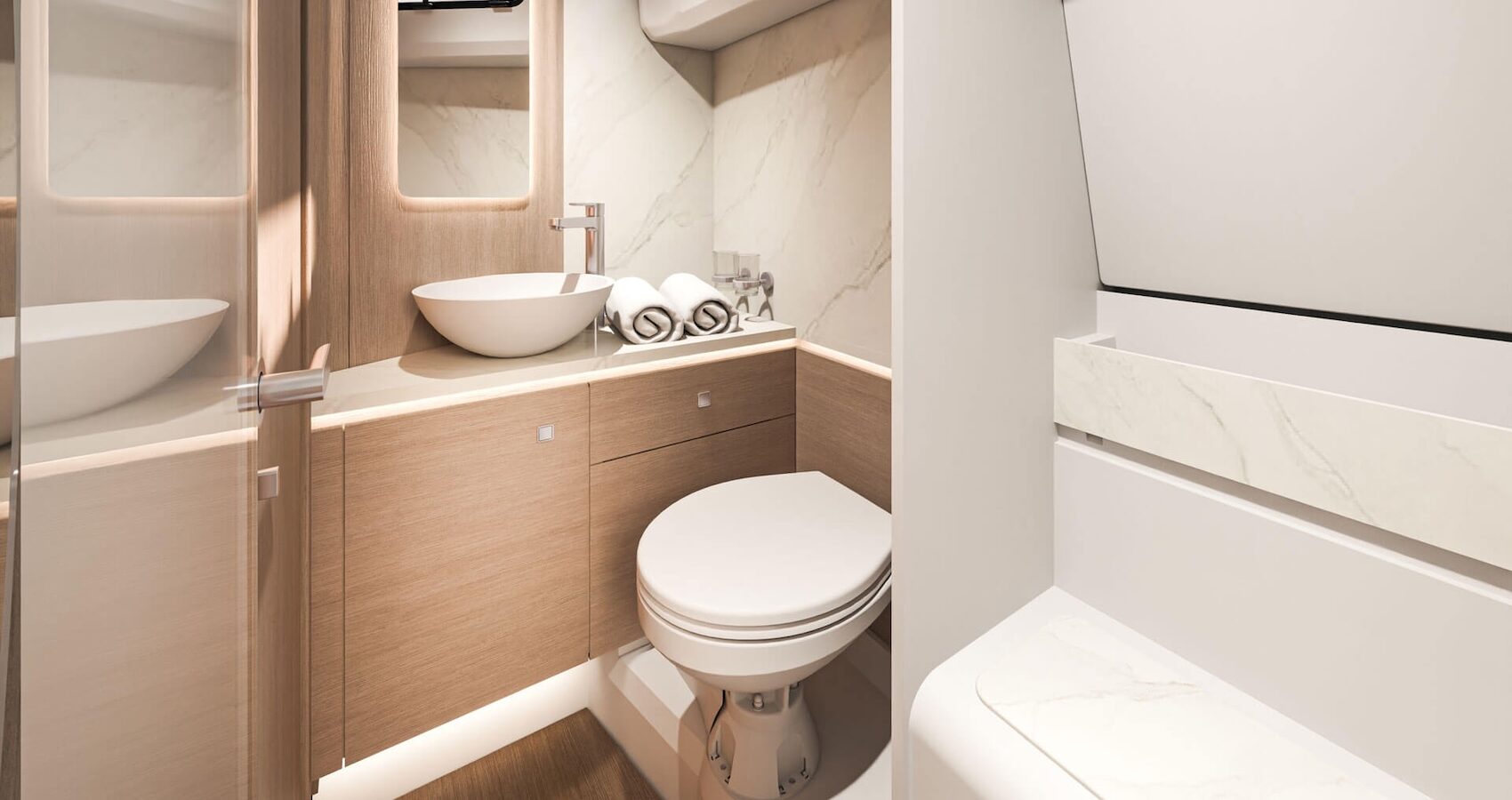
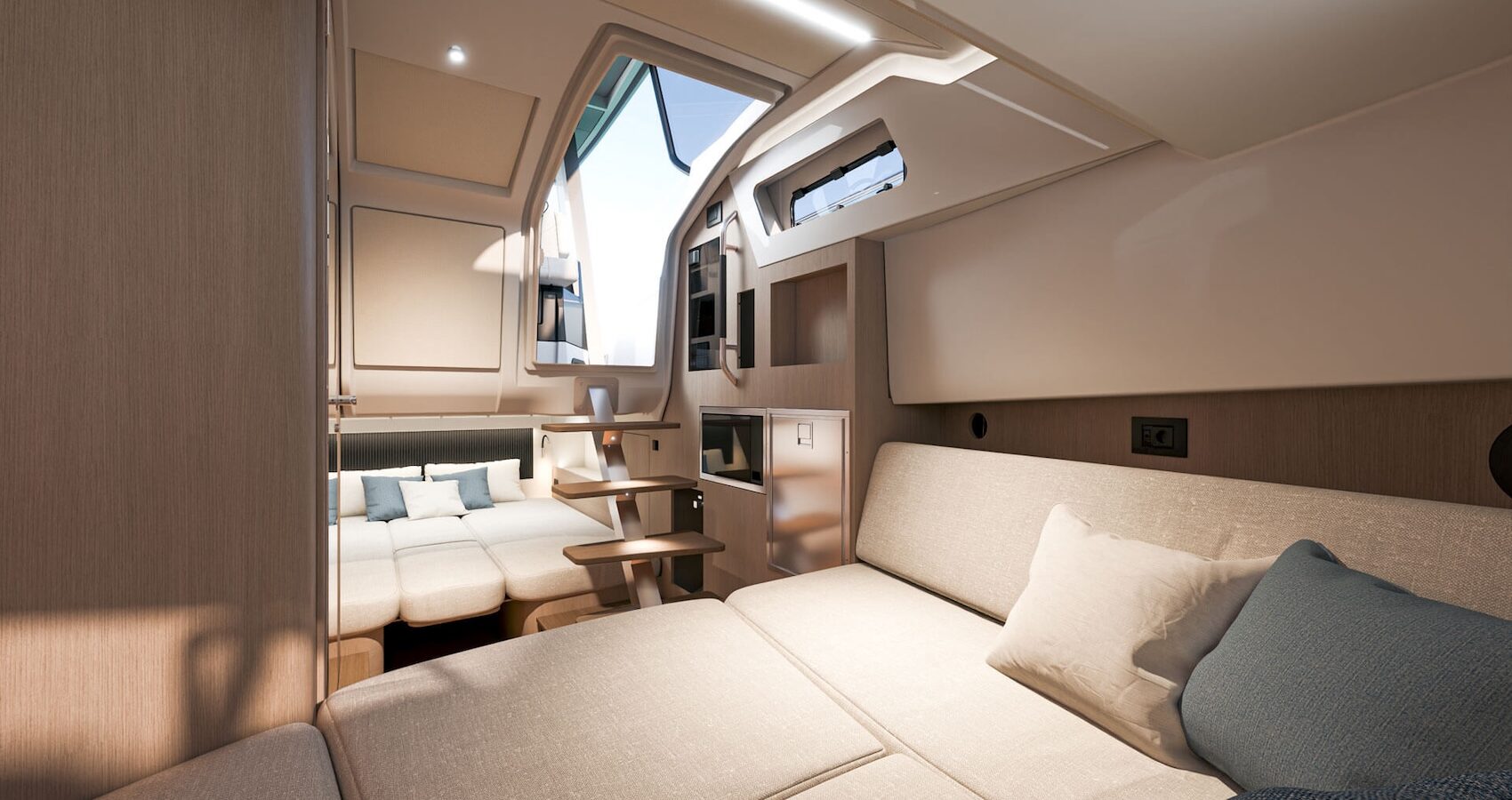
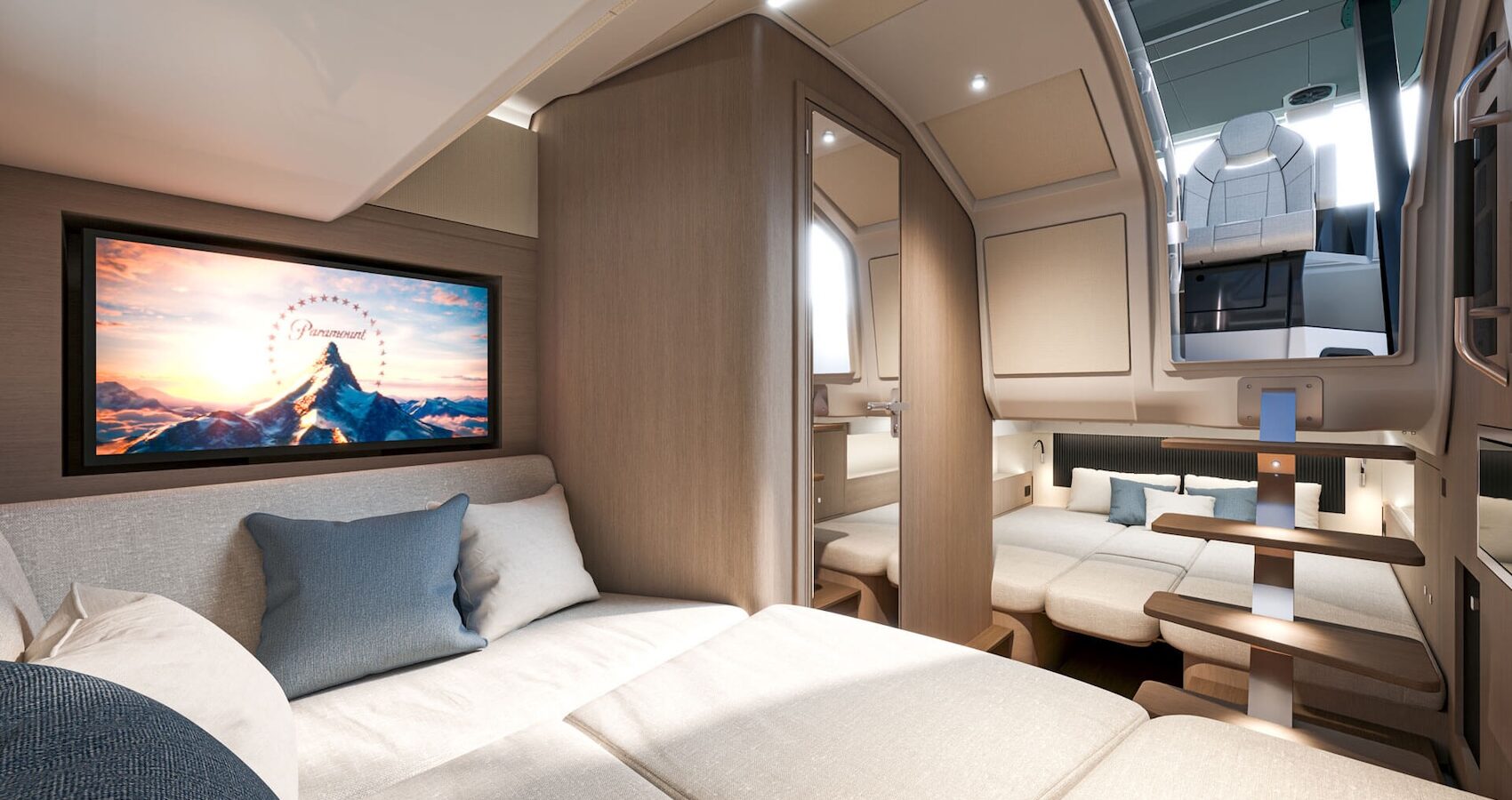
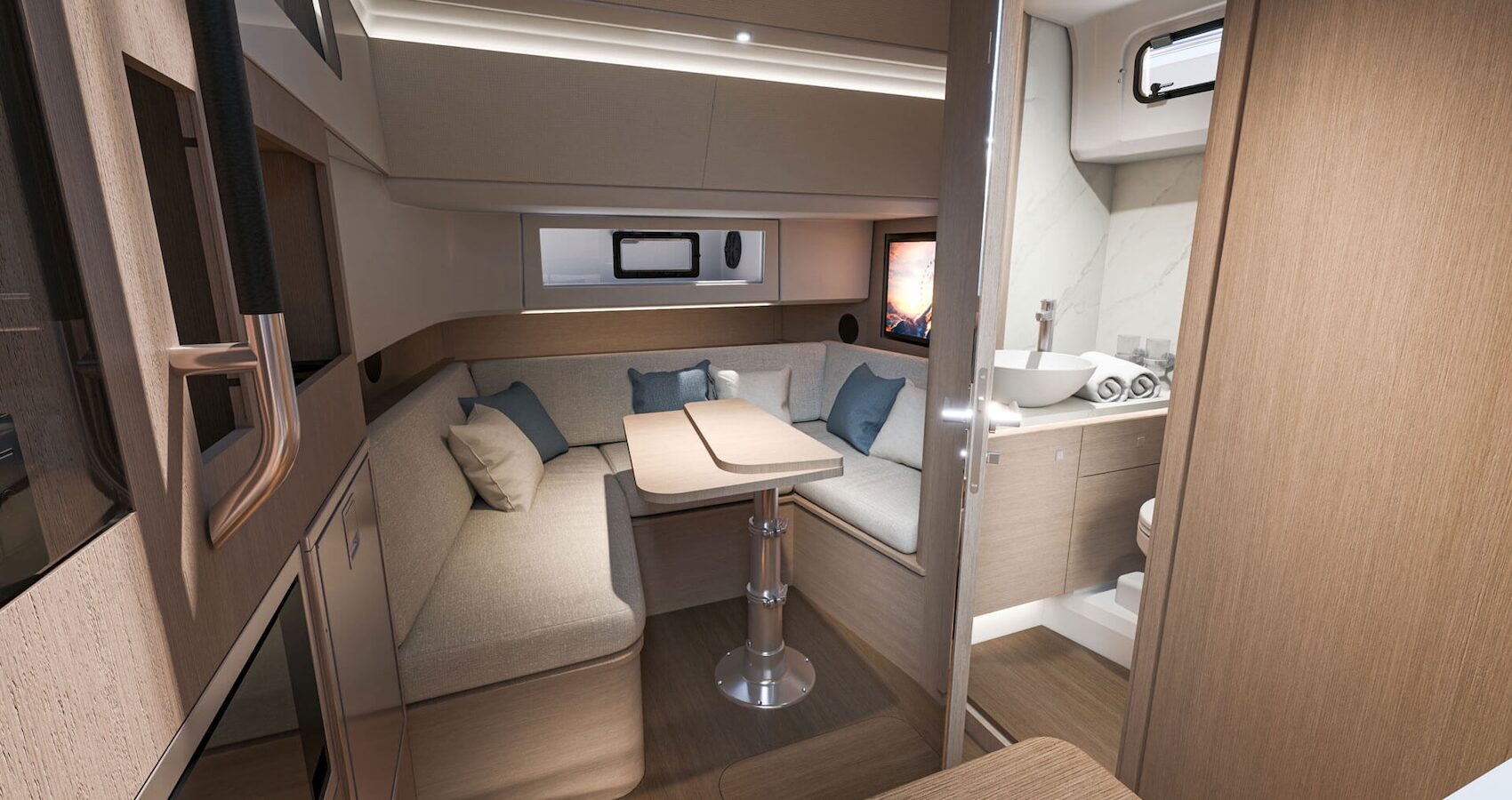
The highly efficient hull is capable of ensuring quick planing, great maneuverability, and speeds exceeding 40 knots, the Gran Turismo 35 is the ideal synthesis between the adrenaline of motor sports and the freedom of recreational boating. Space and livability find the right balance on a small supercar that hides incredible comfort within. The transformable bow berth offers both a comfortable lounge and a spacious double bed, while the private mid-boat cabin ensures privacy when needed. A generously sized fully enclosed bathroom with shower and a well-equipped kitchen make this model perfect for weekends at sea.
Beneteau 35 Gran Turismo – technical features
| Parameter | Metric Value | Value |
| Overall length | 11.20 m | 36’ 9’’ |
| Hull length | 9.78 m | 32’ 1’’ |
| Maximum width | 3.24 m | 10’ 8’’ |
| Width with open side terraces | 4.65 m | 15’ 3’’ |
| Maximum height from waterline (Air draft) | 4.26 m | 13’ 12’’ |
| Draft | 1.09 m | 3’ 7’’ |
| CE empty displacement | 5,336 kg | 11,761 lbs |
| Fuel tank capacity | 2 x 370 L | 2 x 98 US GAL |
| Freshwater tank capacity | 160 L | 42 US GAL |
| Hot water boiler capacity | 25 L | 7 US GAL |
| Beds | 2 | — |
| Maximum engine power | 2 x 350 HP | — |
| CE navigation category | B8 / C10 | — |
| DESIGN & ARCHITECTURE | ||
| Naval Architecture | BENETEAU / MICHAEL PETERS YACHT DESIGN | — |
| Interior and Exterior Design | ANDREANI DESIGN | — |
Hanse 461 returns after twenty years since the success of the original model in a completely renewed guise, consolidating the strengths that have made its sailing philosophy famous: maneuverability, reduced crew, livability of spaces.
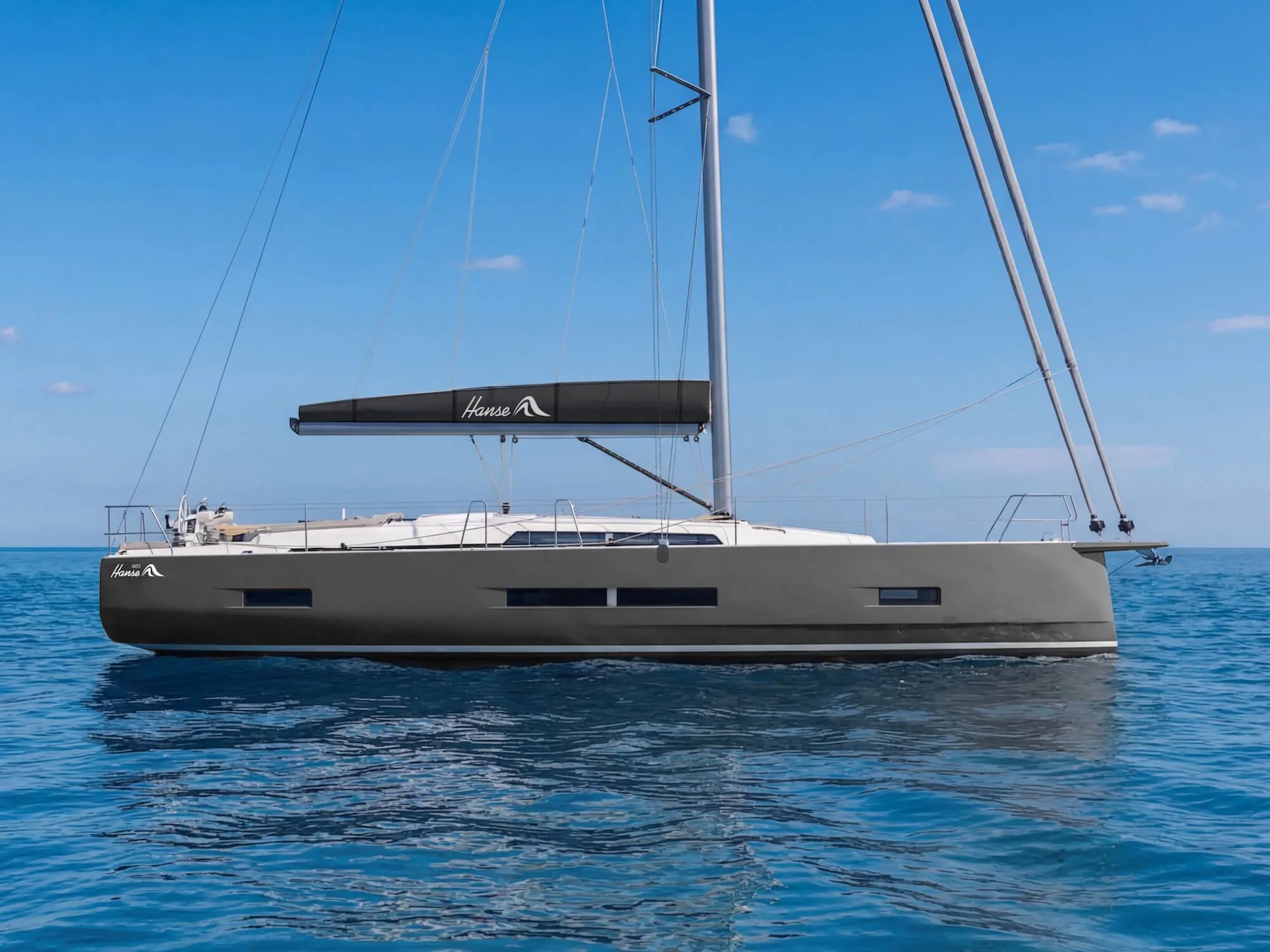
Designed for optimal management with a reduced crew, all maneuvers are led to the cockpit and can be easily controlled through a single set of winches. The unique third reefing point (allows both the mainsail and the boom to be lowered simultaneously) enables hoisting, adjusting, reefing, and tacking directly from the cockpit, while the self-tacking jib further facilitates changing courses. The choice to position the mainsail traveler on the coachroof allows for a cockpit free of lines and enables movement without obstacles, thanks also to the dual steering system.
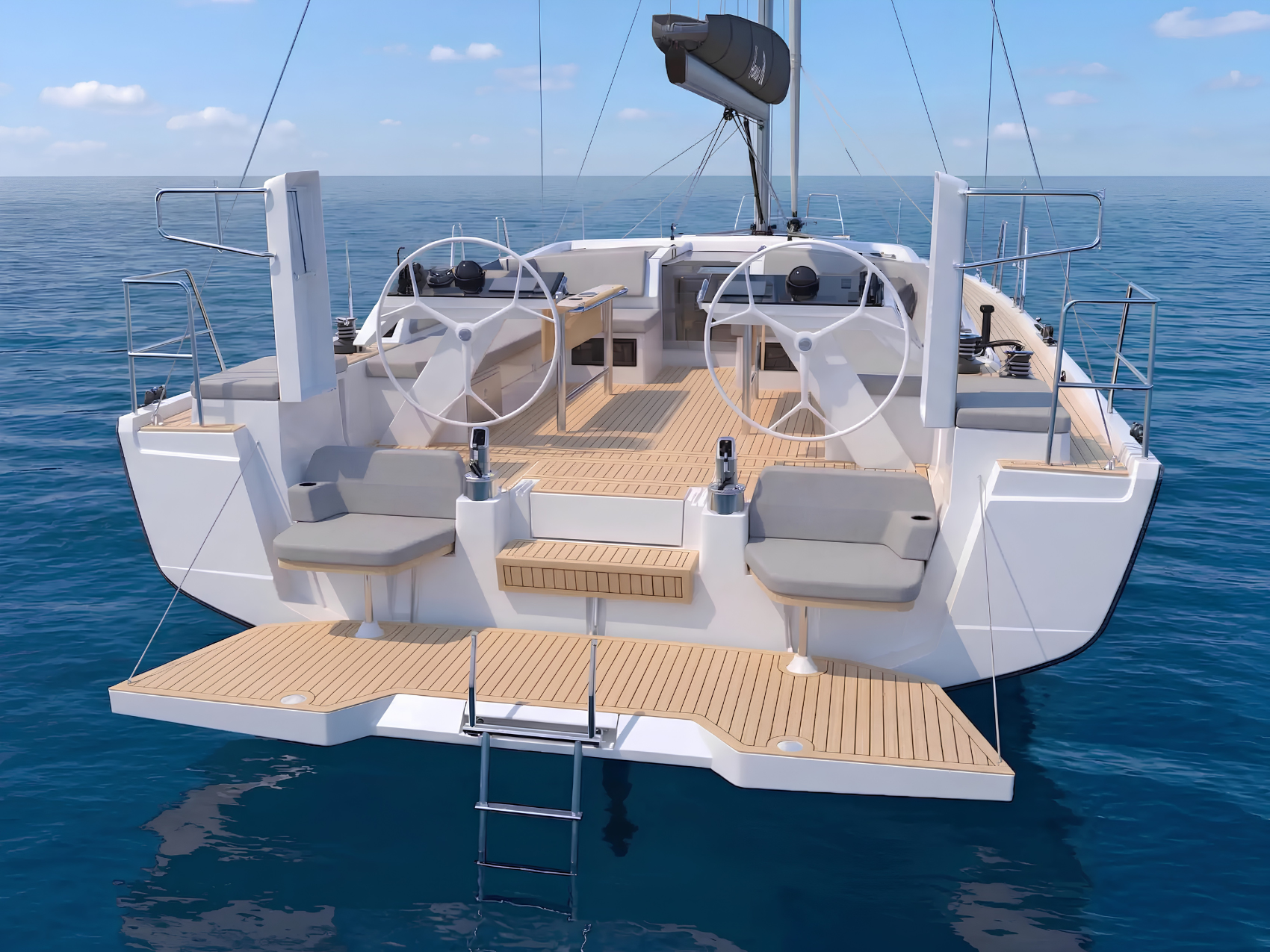
At the stern, we find the completely redesigned foldable swim platform, served by two comfortable chairs positioned at both ends, allowing easy access to the sea, creating a spacious and absolutely relaxing beach area. While sailing, the two folding wings can be closed, creating an additional comfortable seat for the helmsman who wants to rest.
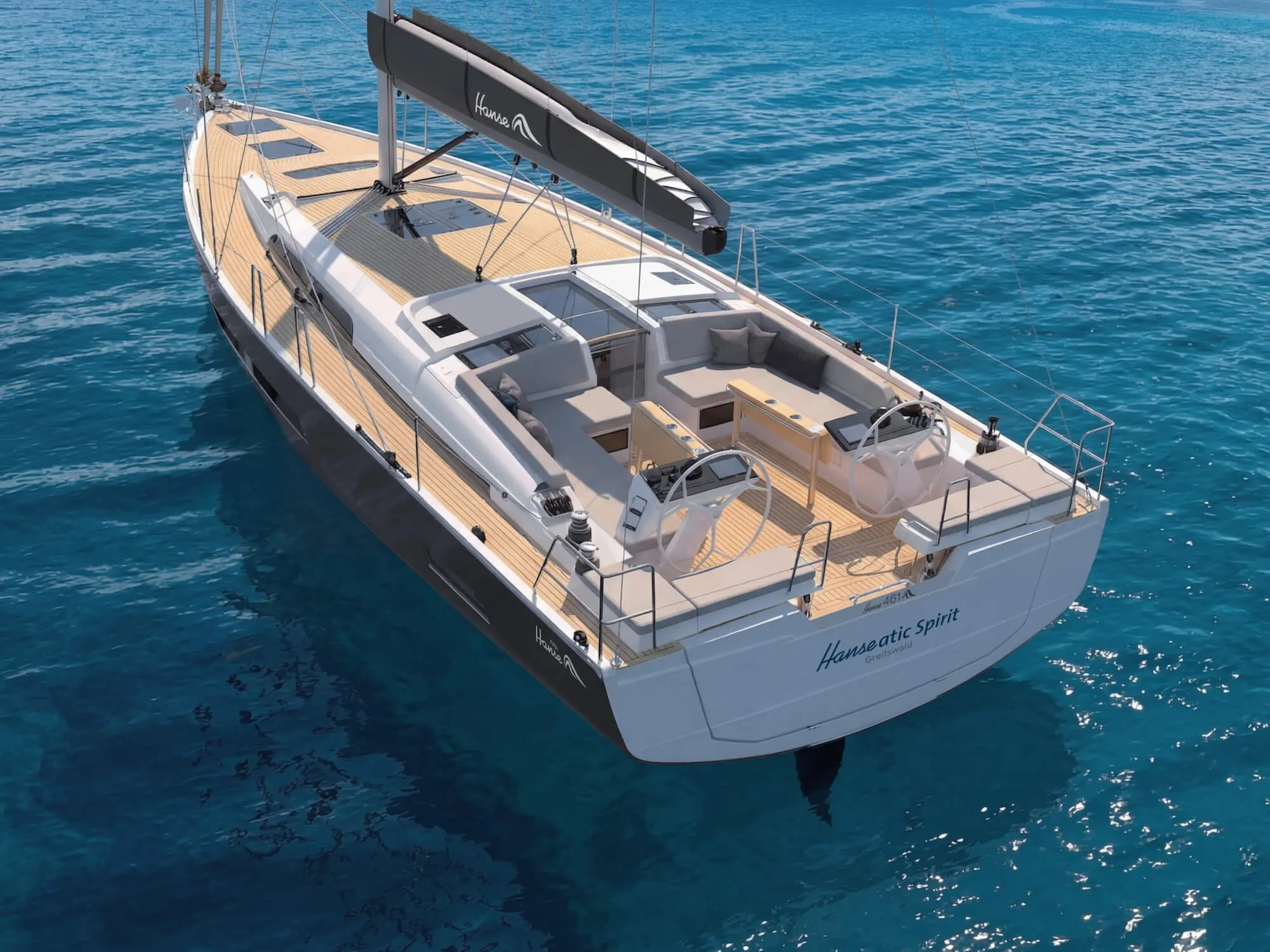
The five options for headsails, from the self-tacking jib to the staysail, up to the reacher and gennaker, allow this new Hanse 461 to sail comfortably depending on the weather conditions encountered during navigation.
Hanse 461, the interiors
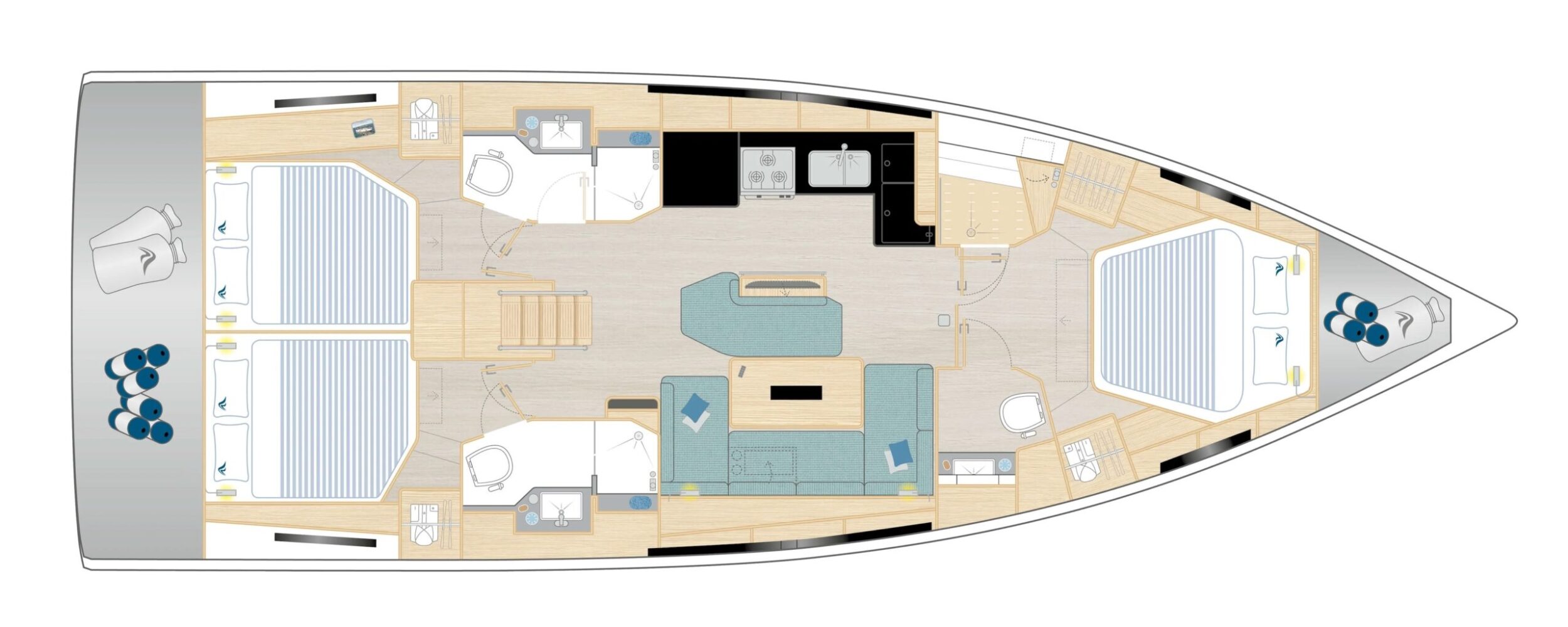
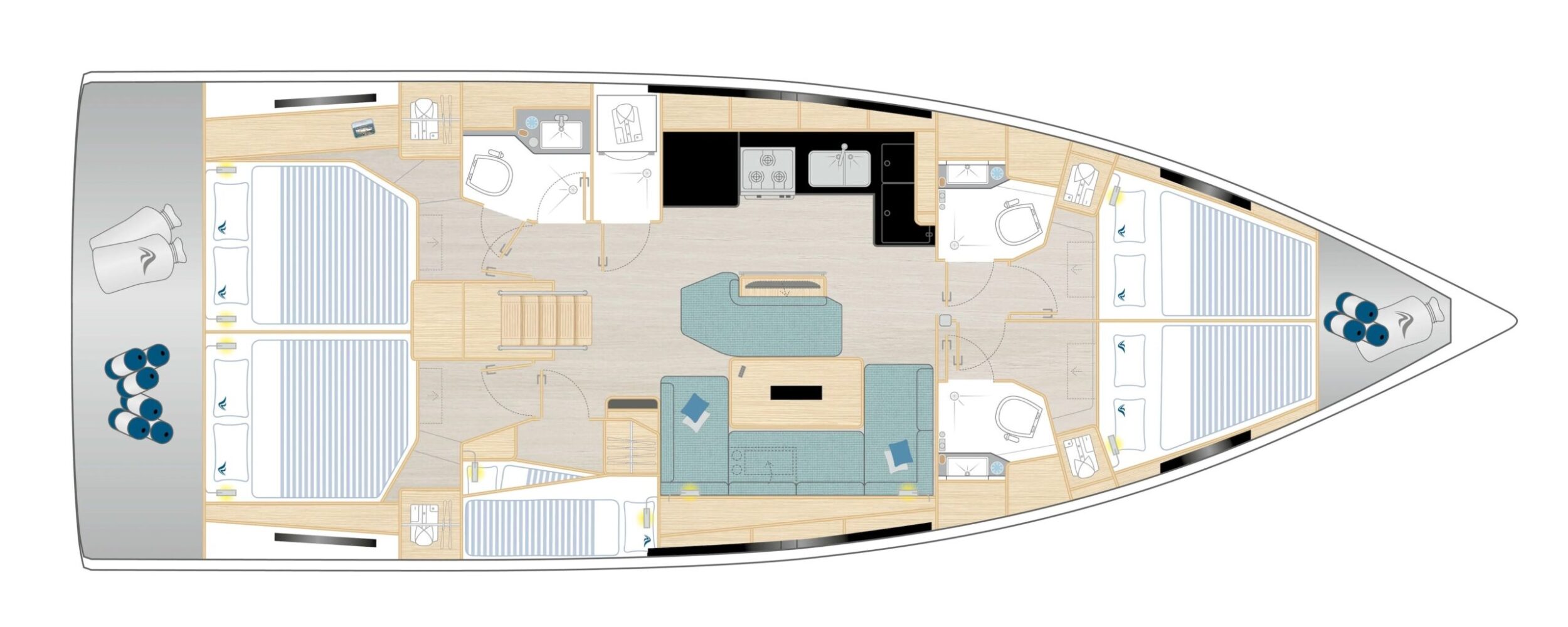
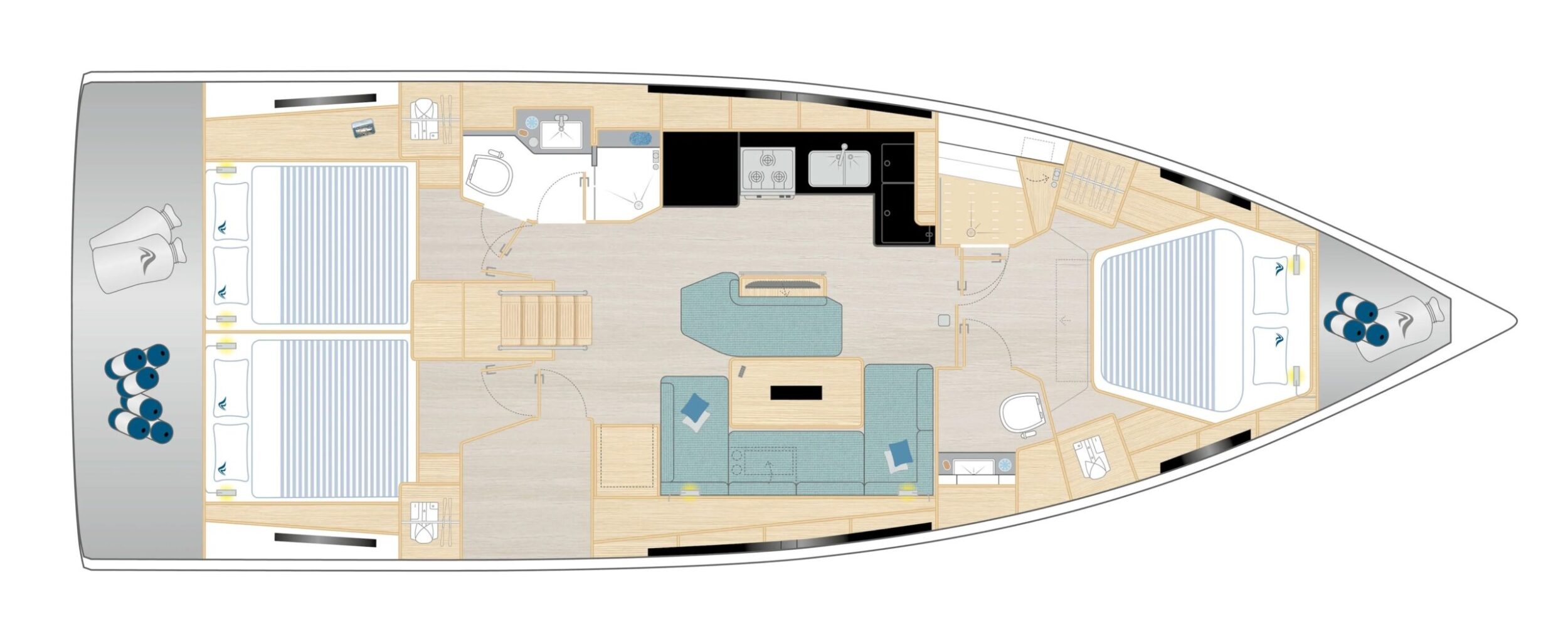
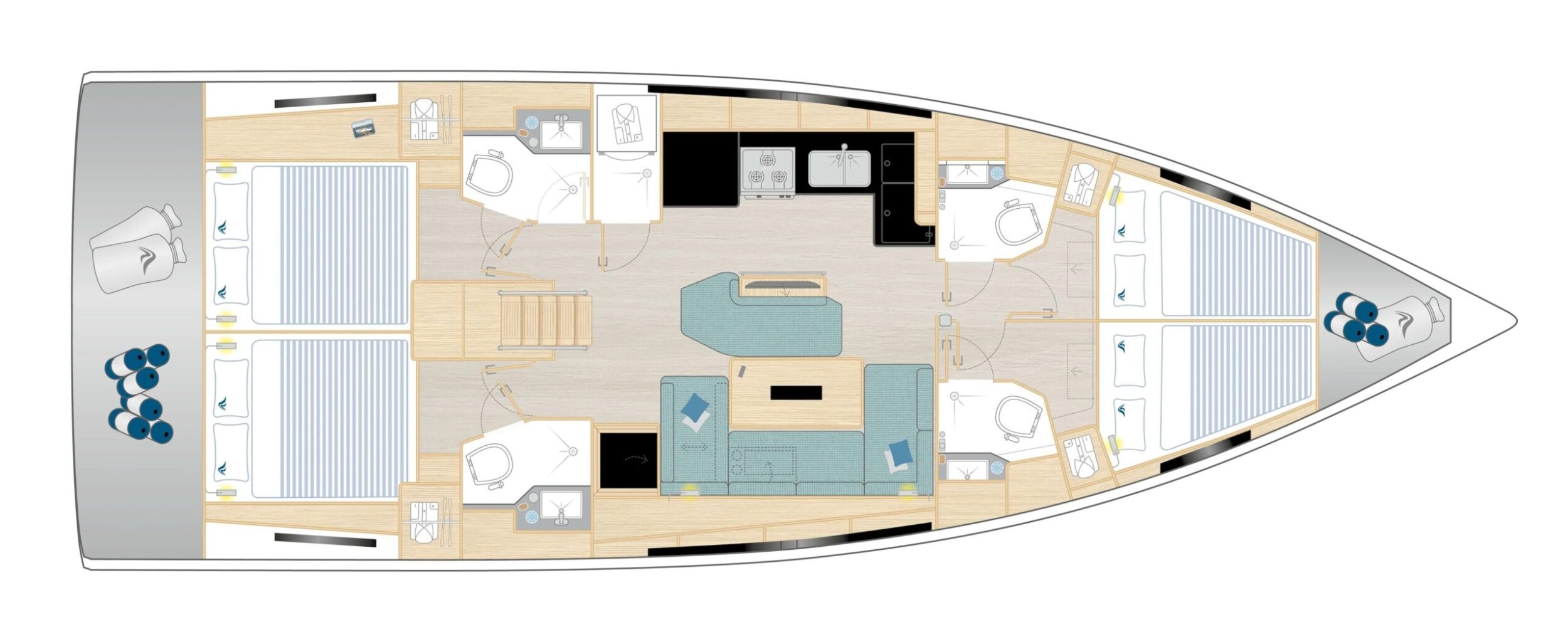
Bright and modern interiors with four large hatches in the saloon and a total of 26 openings for ventilation. Various cabin layouts, including a spacious owner’s cabin with a central island bed or two separate double cabins at the bow, and different options for saloon, kitchen, guest cabins, sail locker/technical room, and storage allow adapting the yacht to different needs for family cruising as well as long journeys.
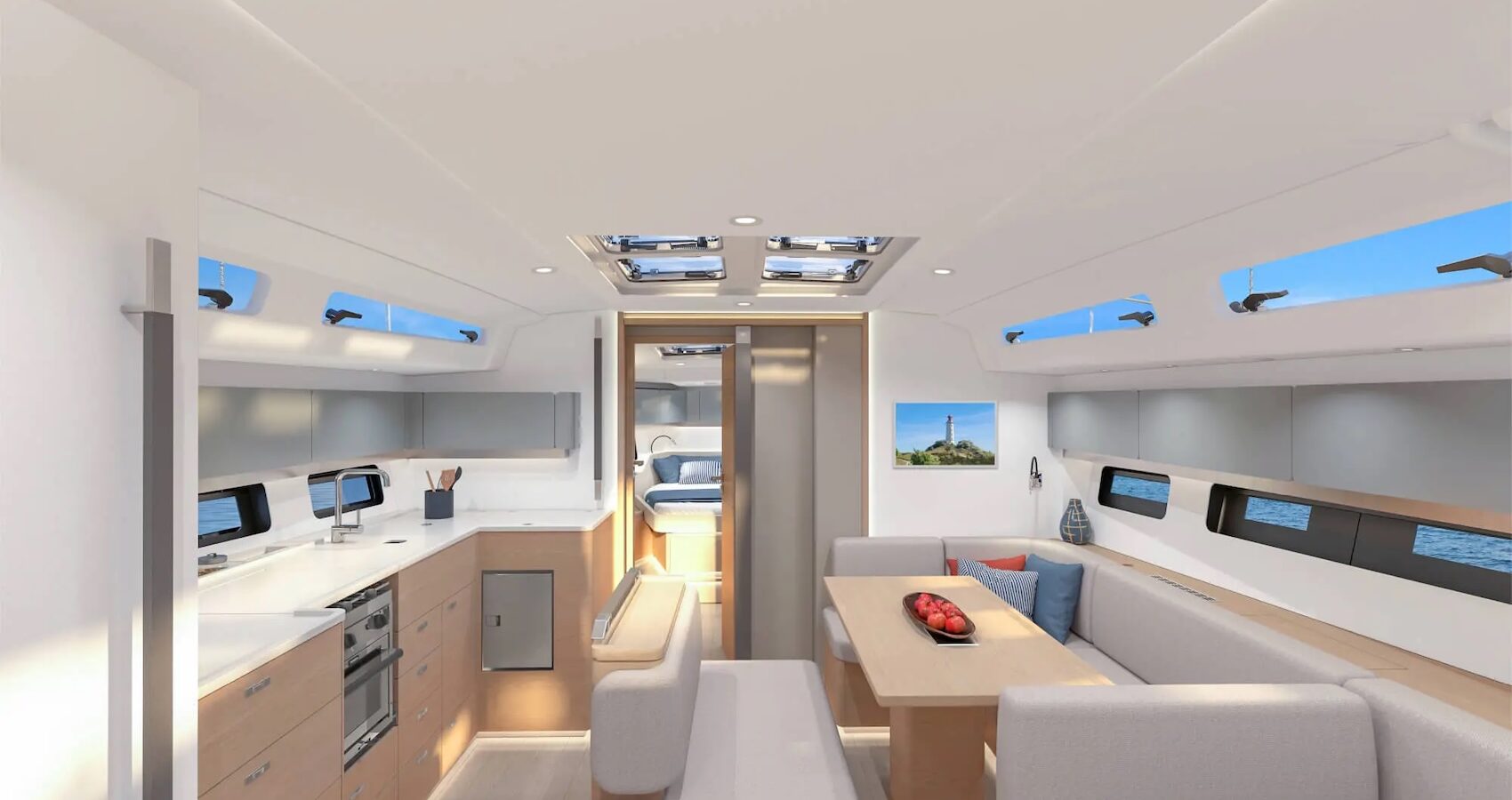
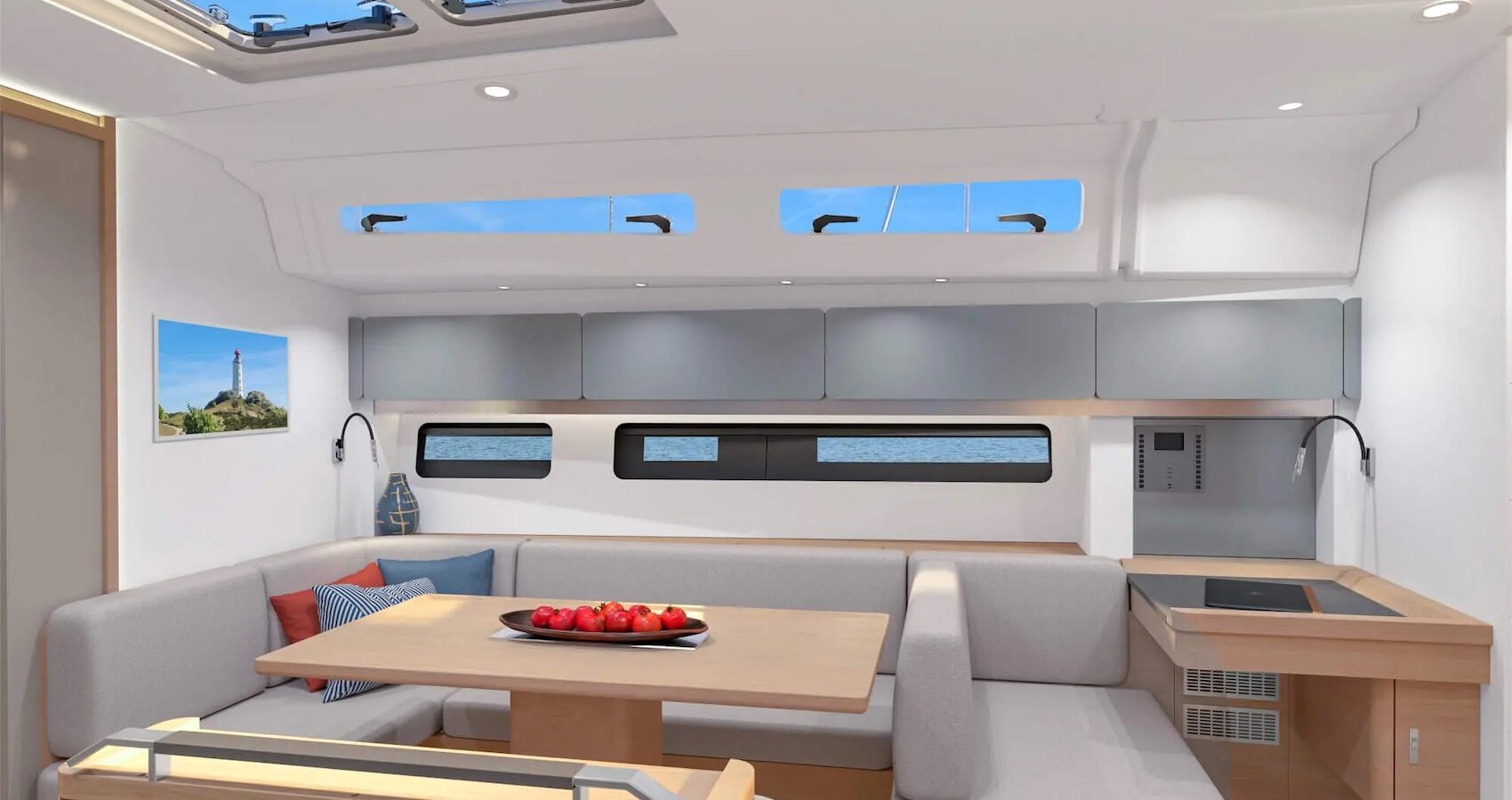
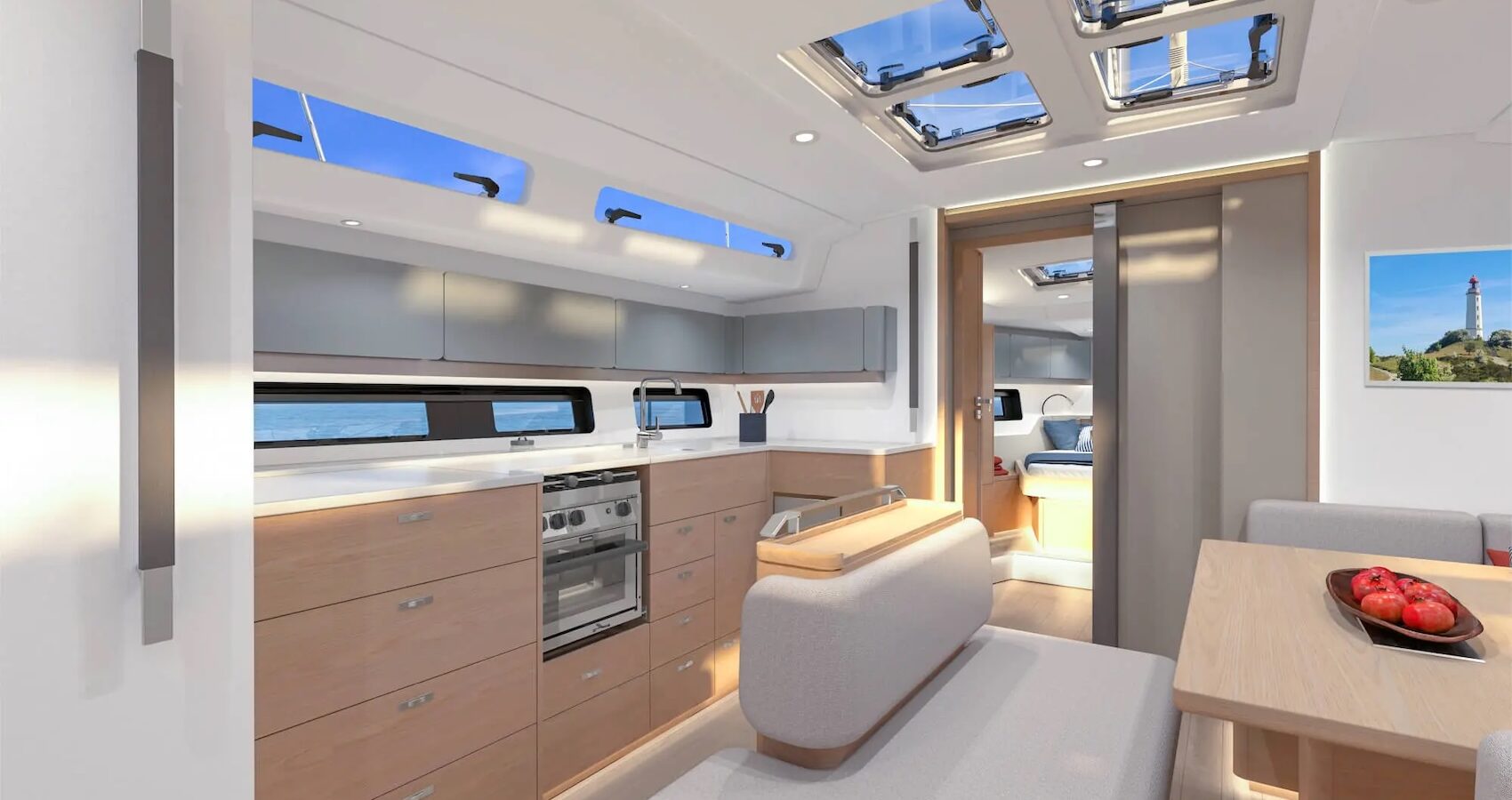
Easy sailing, fast cruising, innovative design, and individual customization, these are the four fundamental strengths that distinguish this new model from the yard, Hanse 461 is the sailing concept for the new generation of sailors who want ease of handling combined with good performance and the comfort of a long cruiser.
Interior configurations
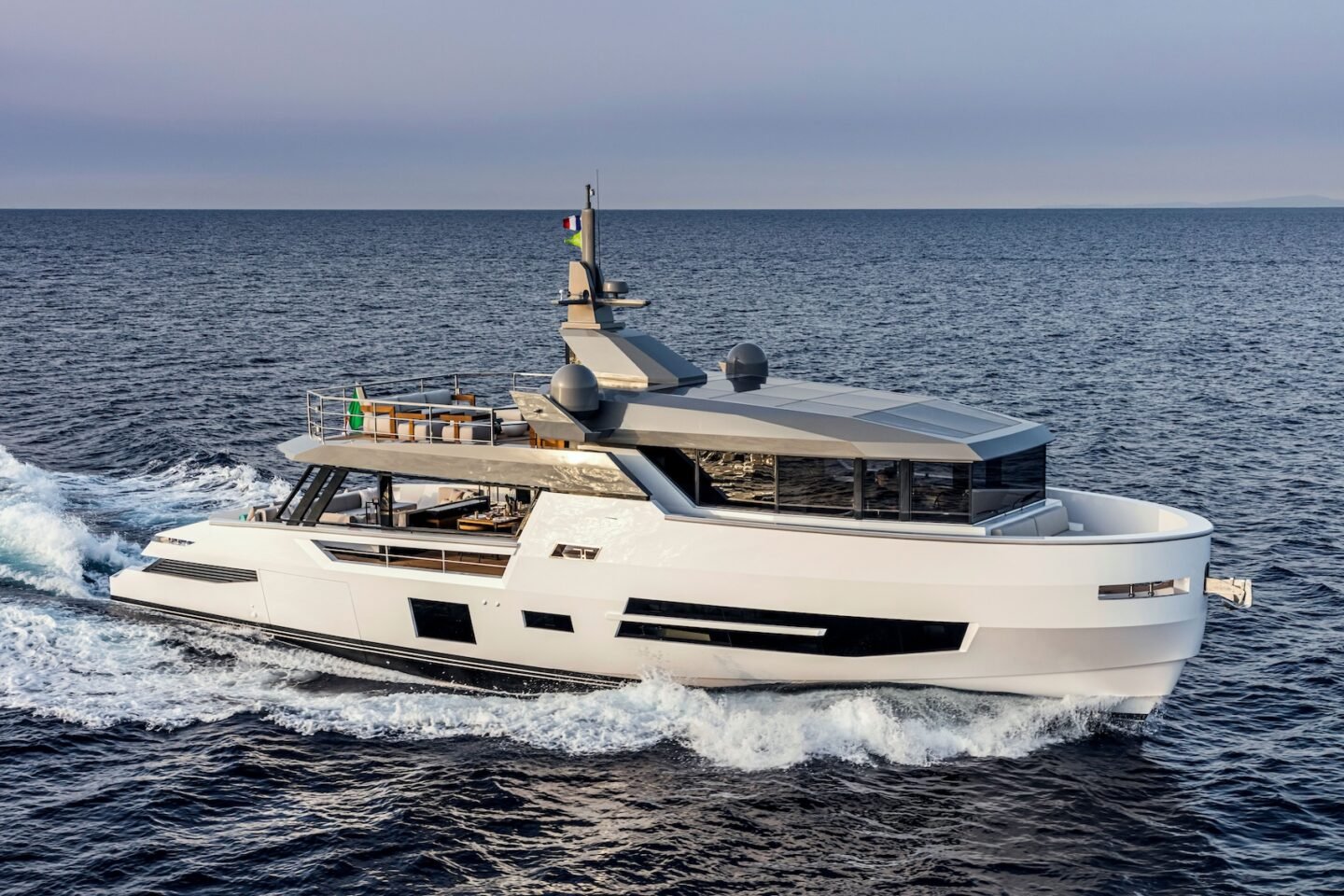
Arcadia Yachts will be at the Cannes Yachting Festival 2026 with four models from its two main lines: A80 and A96 from the A range, along with Sherpa 60 and Sherpa 80 for the Sherpa range.
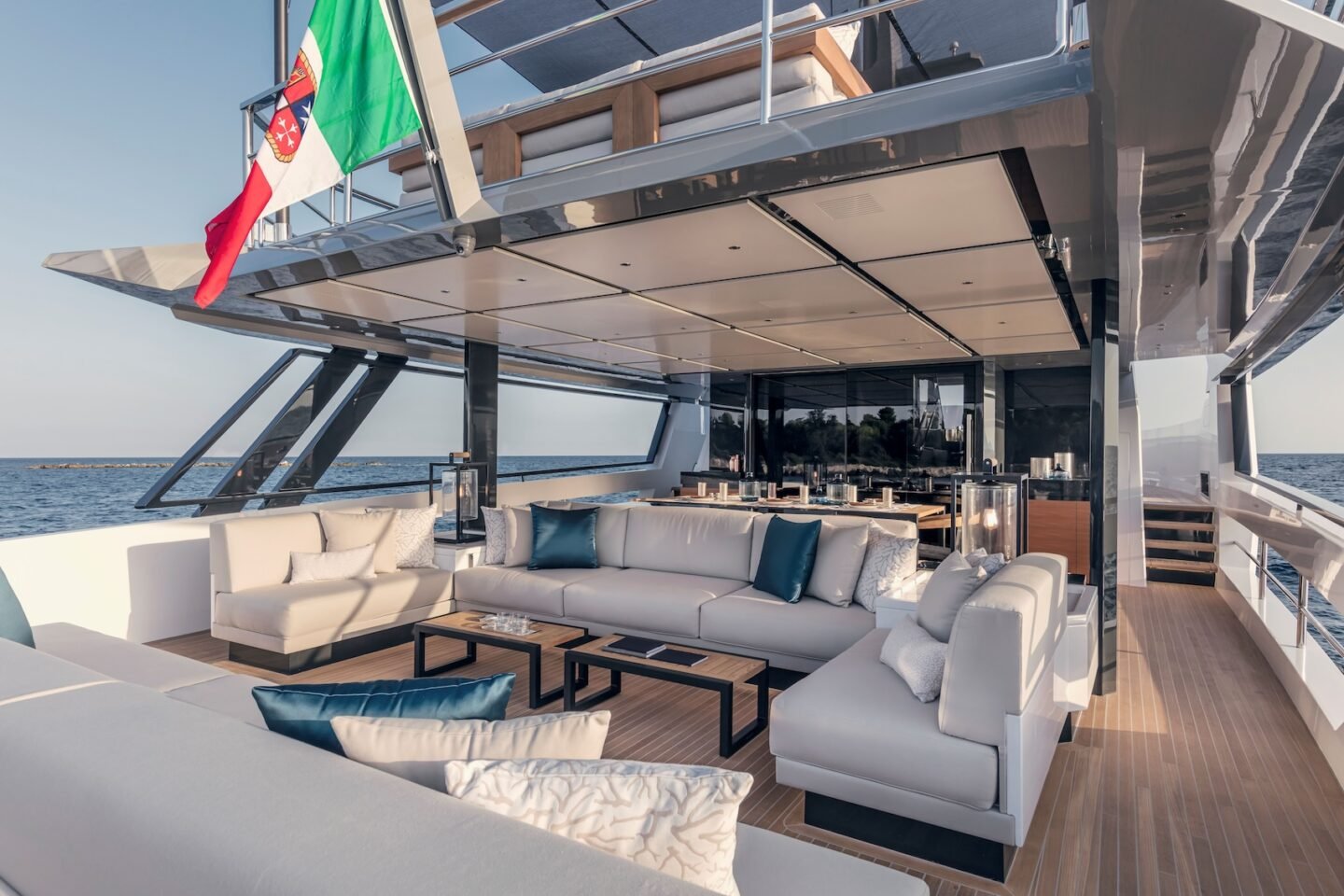
At the center of the shipyard’s presence in Cannes is the Arcadian Living, a design idea that redefines nautical luxury in a more conscious way, with life on board developing in open spaces towards the landscape and the sea. Since its origins, the shipyard has always stood out for new perspectives that have given rise to a new design dimension.
A new exhibition concept
Arcadia Yachts will participate in the event by setting up a new, larger, and immersive stand on land. Designed as a multisensory installation, the space has been conceived and designed to welcome owners, clients, dealers, partners, and press, to experience the direct essence of the “Arcadian Living“ philosophy.
Arcadia Yachts, the four protagonists of the fleet
A80, an iconic model designed to ensure the perfect balance between spacious living areas, marine environment protection, and maximum navigation freedom.
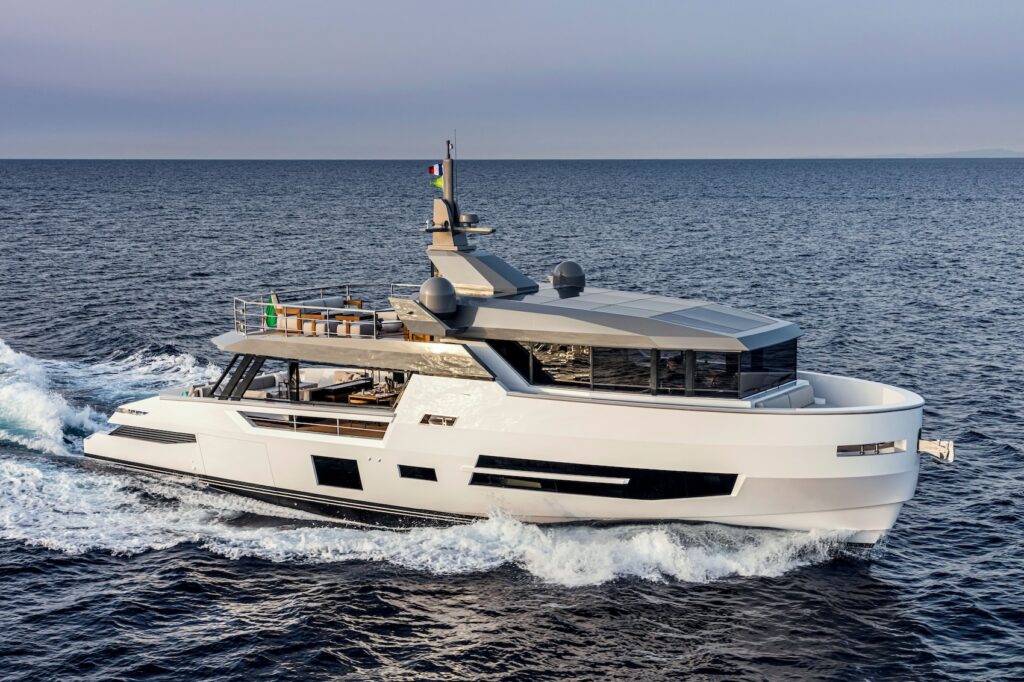
A96, next-generation crossover, the contact with the sea is immediate thanks to fluid and barrier-free internal and external spaces.
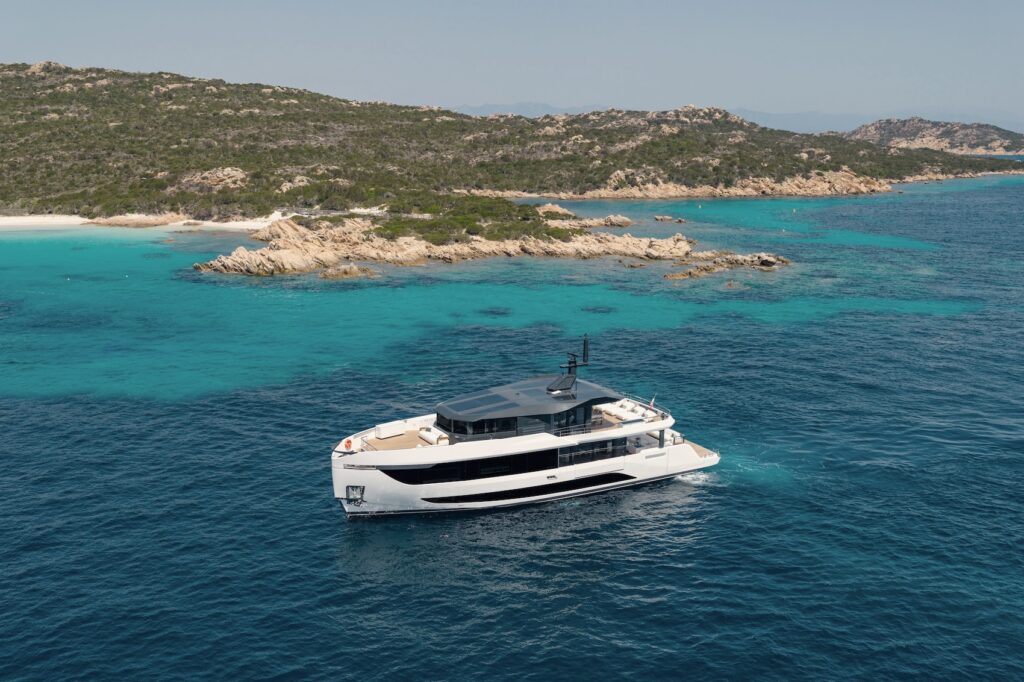
Sherpa 60 Pocket-mega yacht extremely versatile, with absolutely unique spaces, designed to offer excellent livability on board and ample social areas both while sailing and at anchor with a garage of about 23,000 L under the main deck.
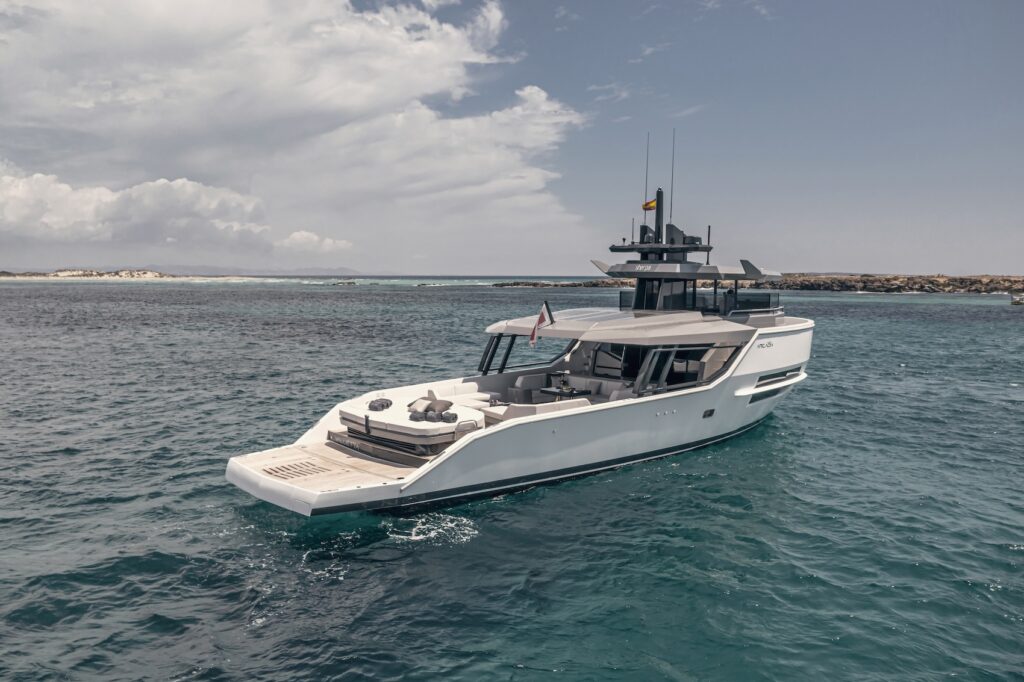
Sherpa 80 The evolution of the pocket-mega yacht concept, offers about 221 square meters of living space between internal and external environments for extended cruises in maximum comfort, for day parties or long cruises.
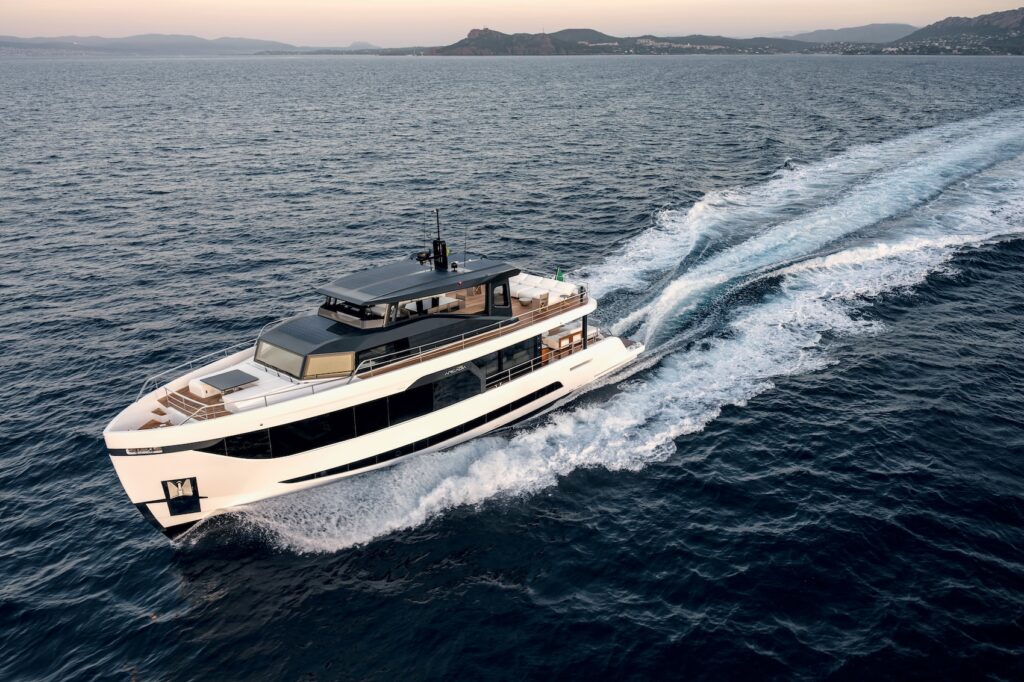
Arcadia Yachts presents a true “poker” of vessels that will enchant the many visitors expected at the Cannes Yachting Festival 2026.