



 The source for international yachting & marine news


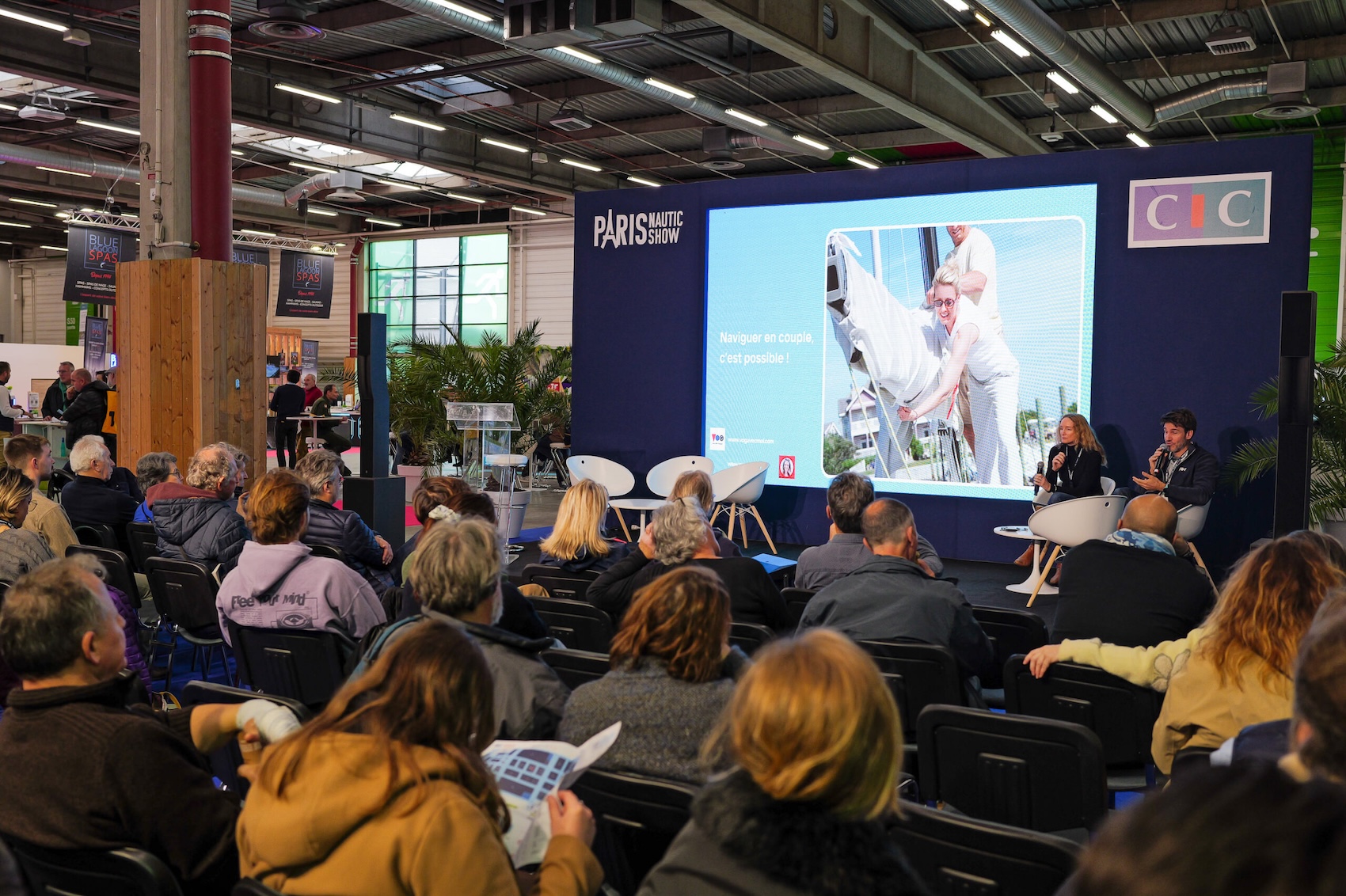
Paris Nautic Show continues its development and reaffirms its ambitions for 2026 after the success of the first edition at the Exhibition Center of Paris-Le Bourget, held last year, which saw the presence of 40,000 visitors, and is relaunching its ambitions for the next edition.
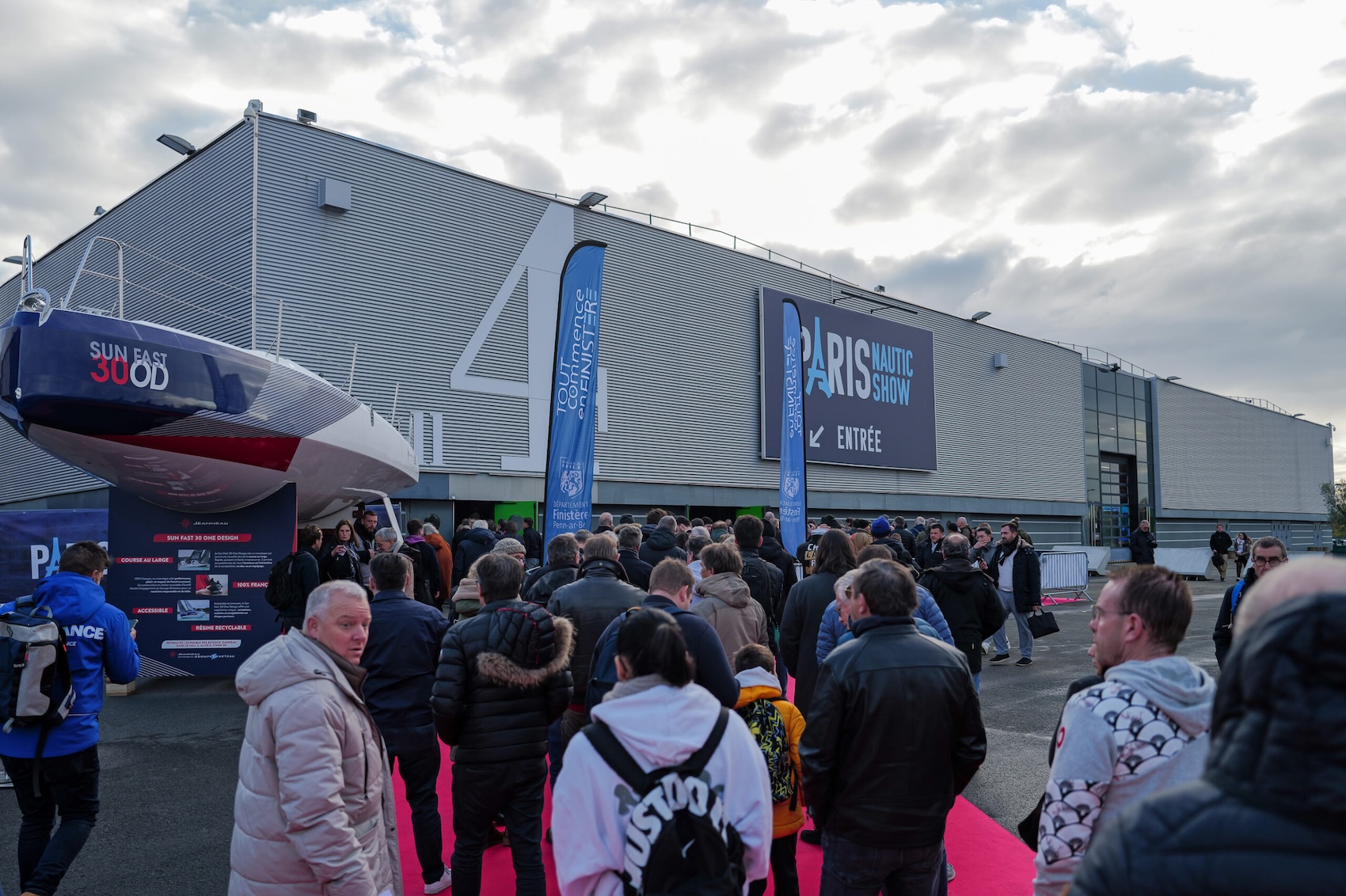
“Our goal is to consolidate a strategic appointment in the heart of the first French nautical market. We want to accompany the transformation of the sector, creating new concrete opportunities for both companies and boaters.” — Guillaume Verbrugghe, General Director of M2 Organisation.
Paris Nautic Show in the heart of the Paris region represents a unique competitive advantage in the European landscape. The Paris basin indeed concentrates over a third of regular French boaters, confirming itself as a strategic hub. Furthermore, the choice of Paris-Le Bourget ensures ideal logistics from an international perspective, thanks to the quick connection to Paris Charles de Gaulle Airport. Networking, discussion, and the birth of new commercial agreements between shipyards, component manufacturers, federations, and associations are the keywords to give dynamism to the sector and guide it through the challenges of a constantly evolving market.
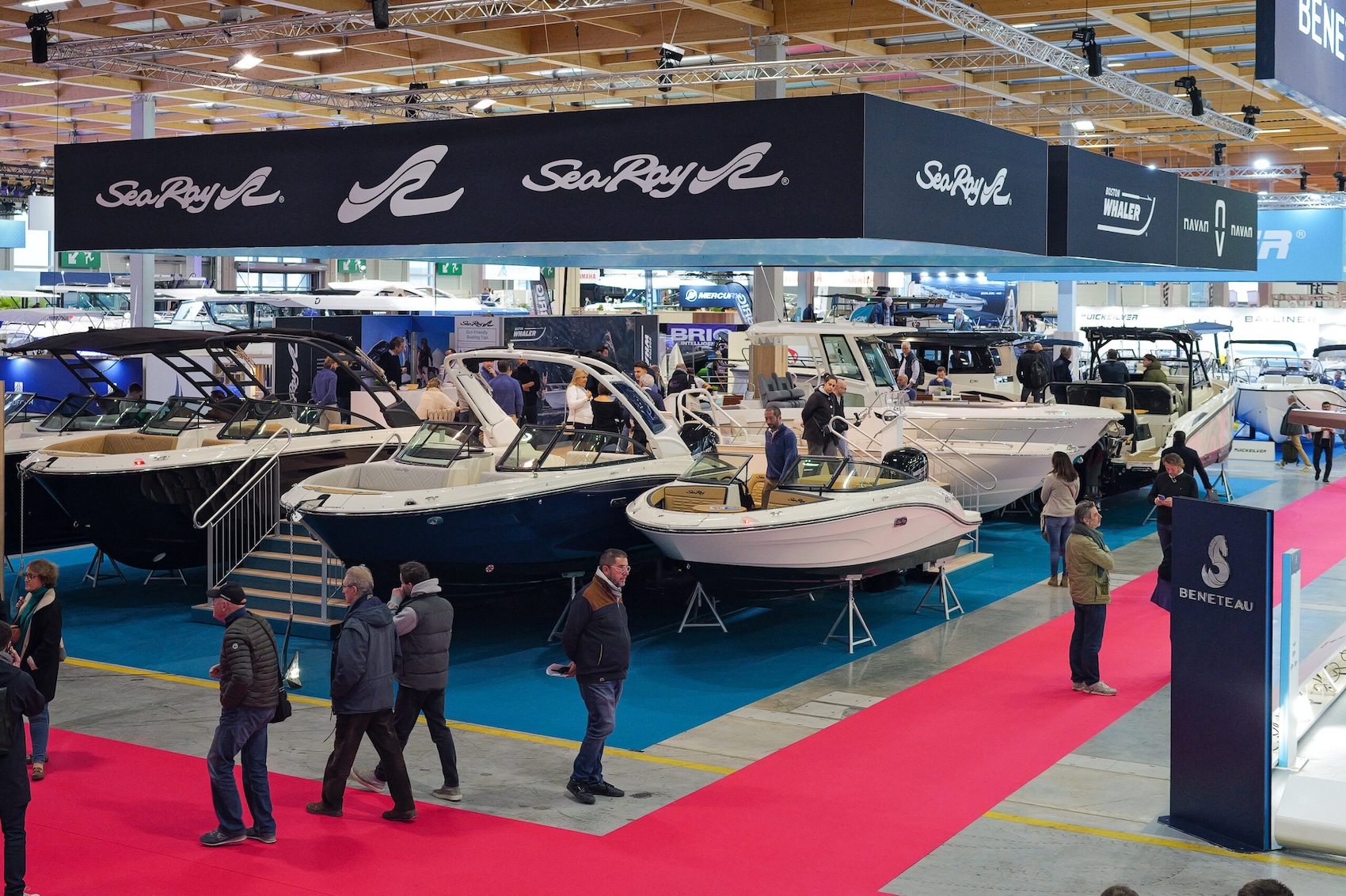
Paris Nautic Show, space for sustainability and the boating of tomorrow
The nautical sector is at the center of a profound change, accelerated by the need to respond to the climate crisis and the change in consumption habits. The essential responsibility for change is no longer an option for the future, but a present imperative that is redefining the criteria for a less invasive impact on the marine environment and the entire production cycle.
Paris Nautic Show will dedicate an unprecedented focus on decarbonization and the circular economy applied to leisure boating, addressing the three major challenges of the sector, with significant emphasis on next-generation electric motors, advanced hybrid systems, and the first concrete applications of hydrogen, as well as the reduction of the carbon footprint of hulls, presenting bio-derived composites (such as flax or hemp fibers).
The show also firmly maintains its historical link with the world of ocean racing and offshore sailing, just think of the legendary Route du Rhum or the Vendée Globe or the Transat Jacques Vabre (coffee route), a sector that represents a true open-air laboratory, where solutions tested in competition regarding lightweight materials, hydrodynamic performance, and energy autonomy are then applied to series production, exporting French technological excellence worldwide.
cover image: ©Gerald Geronimi
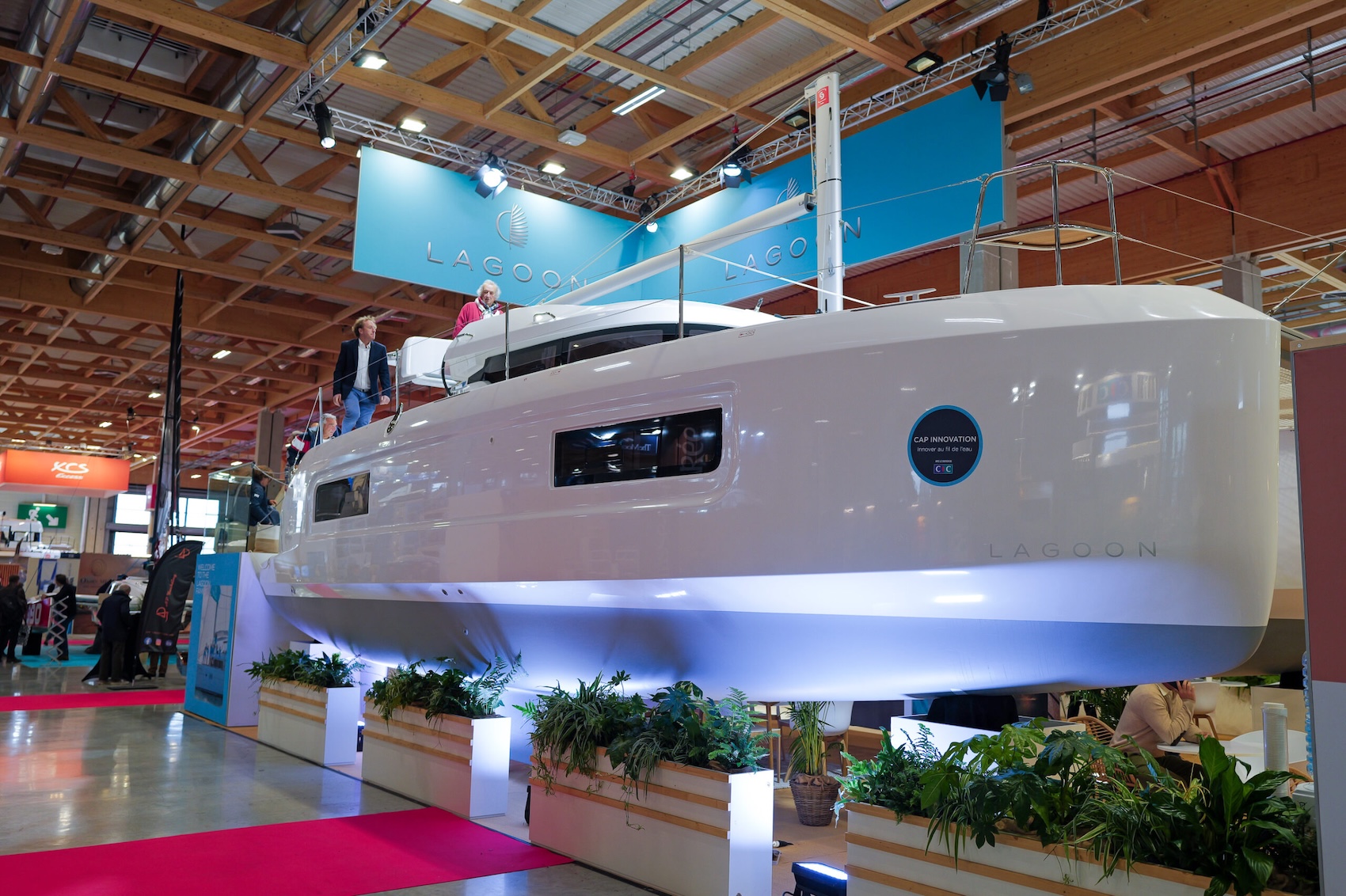
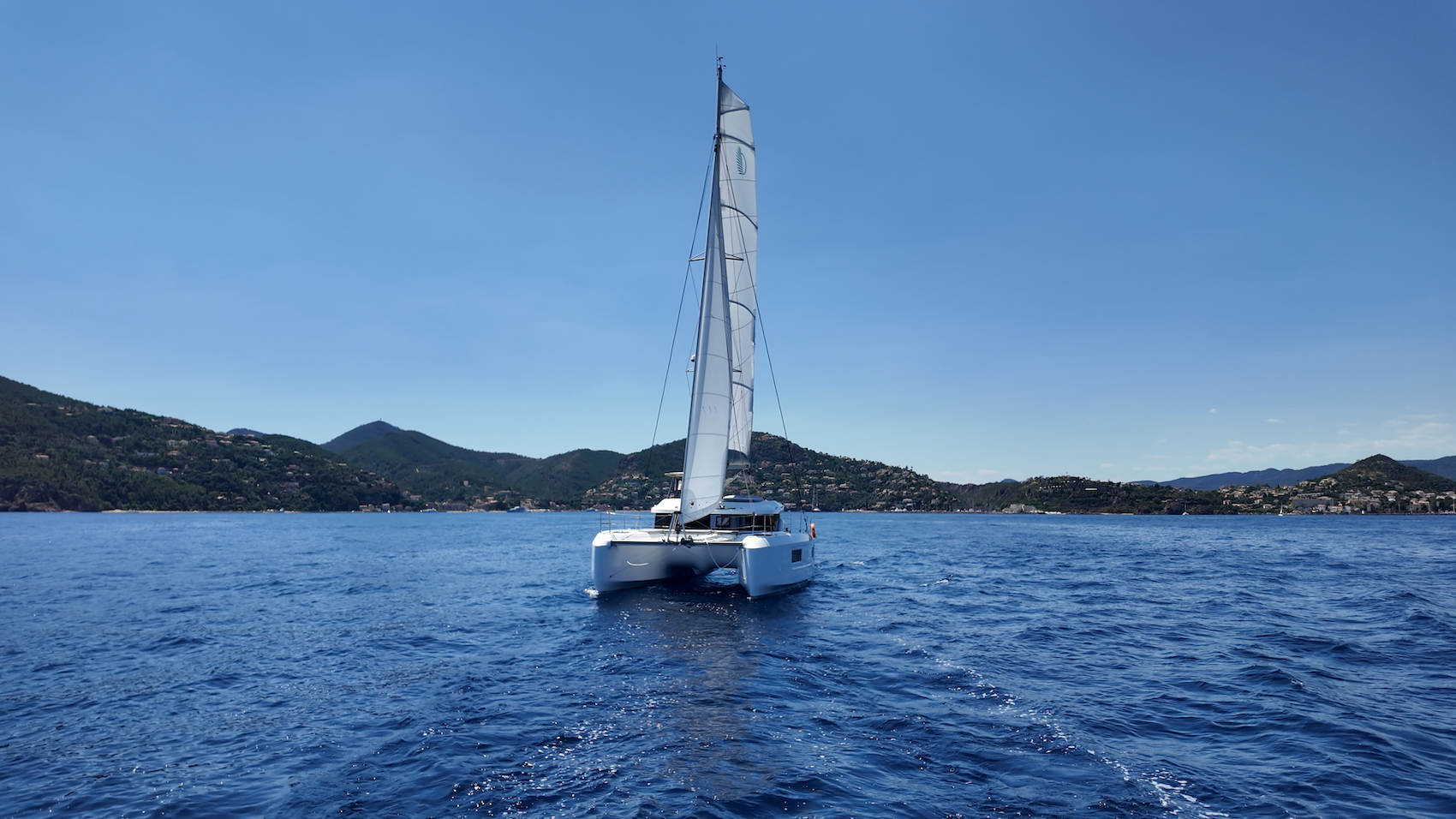
Lagoon once again redefines comfort at sea, focusing on expansive living spaces and effortless handling with the new Lagoon 38, which we had the opportunity to sea trial over the past few days.
Today, the Lagoon range extends from accessible, compact models like the new Lagoon 38 all the way to the ultimate luxury of the flagship EIGHTY 2, a 23.91-meter (78’5″) giant of the seas. Founded in 1984 as JTA (Jeanneau Techniques Avancées), the company originally served as the technology and racing division of the renowned French shipyard Jeanneau. With more than 7,000 units built, Lagoon is now the world’s leading catamaran manufacturer.
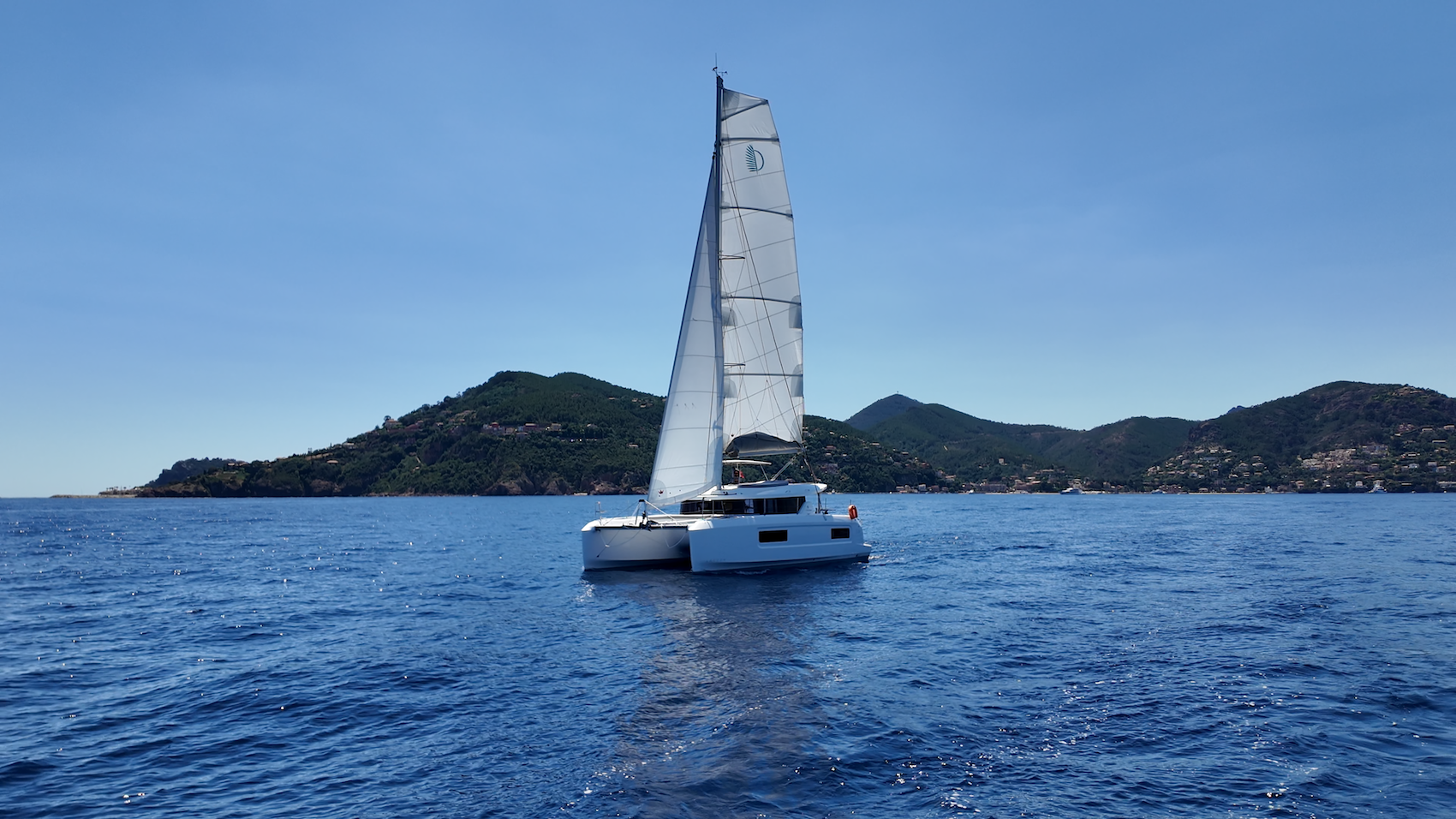
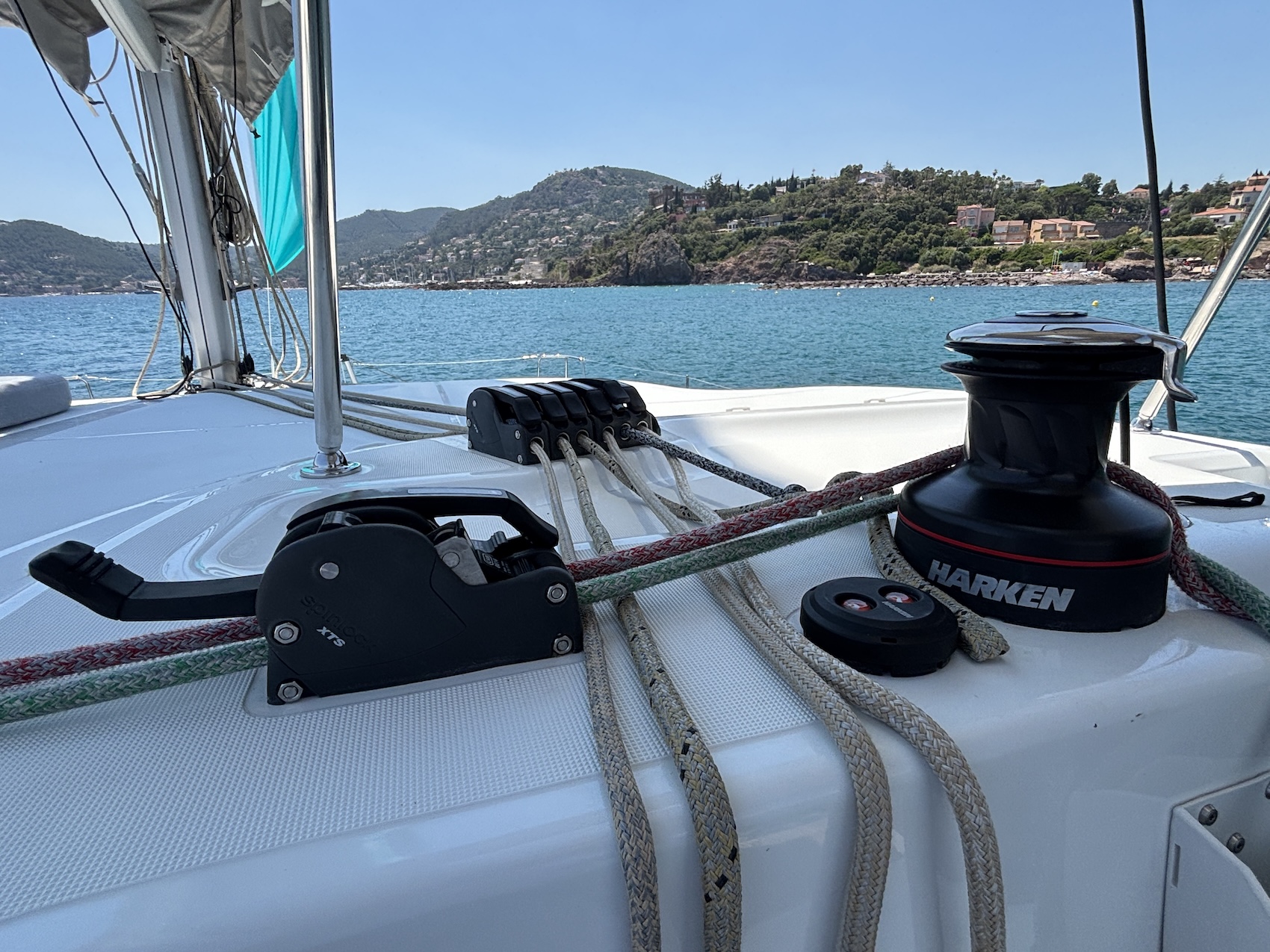
Lagoon 38 features an overall length of 13.12 meters (43’1″) and a beam of 6.65 meters (21’10”), dimensions that make it exceptionally easy to handle. With this model, Lagoon has simplified onboard sail handling as much as possible. At the bow, the boat is equipped with a self-tacking jib, while every sail control is managed through a single winch located on the coachroof next to the helm station. Here you’ll find the halyards and control lines led aft through rope clutches, the Garmin display, and the twin 29 HP engines’ throttle controls.
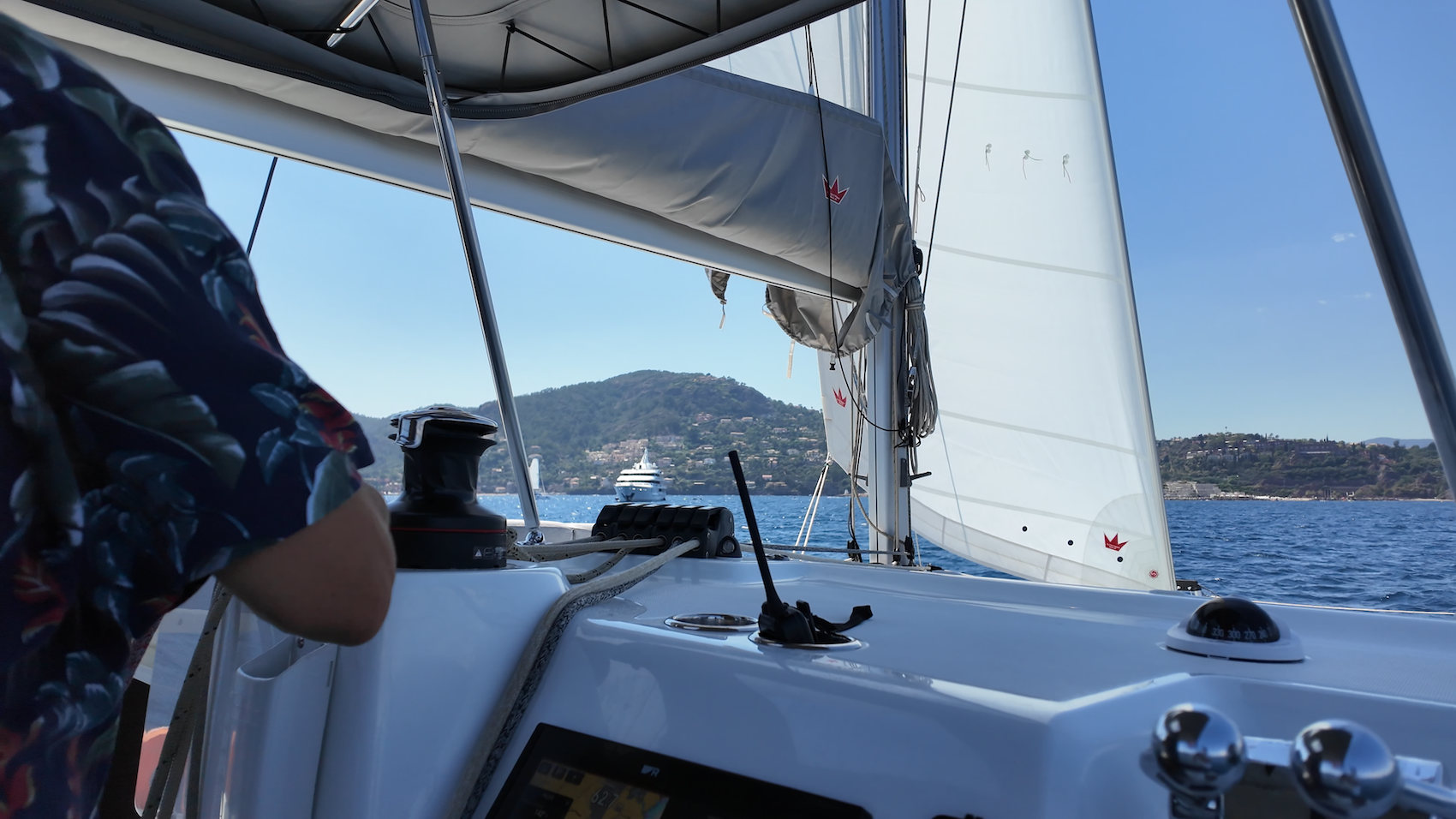
The T-top features a fabric enclosure that can be fully closed whenever needed, providing protection from cold weather. The helm console is comfortable and includes a double seat offering excellent visibility over the entire boat. Unfortunately, during our sea trial the optional Code 0 sail was not installed, even though the Lagoon 38 is designed to accommodate it.
Weather Conditions and Handling
Today’s conditions feature a slight chop with winds peaking between 13 and 15 knots—ideal for a relaxed sea trial. We leave the dock using the twin engines with complete ease. Despite the Lagoon 38’s generous 6.65-meter (21’10”) beam, the independently controlled throttles allow the catamaran to pivot within a surprisingly tight radius. That’s a major advantage, because docking and departing can often be the most challenging part of operating a catamaran due to its width. Once clear of the harbor, we unzip the lazy bag, attach the main halyard, and hoist the mainsail using the electric winch. Deploying the self-tacking jib is just as quick and effortless: simply load the sheet onto the winch and trim it in by hand, without even needing a winch handle.
What immediately impresses me about the Lagoon 38 is just how easy it is to sail and maneuver. There are three of us on board, yet I can perform every operation by myself without asking for assistance or leaving the helm. When necessary, I can also rely on the autopilot to hold course while I stow the fenders or make adjustments to the sails.
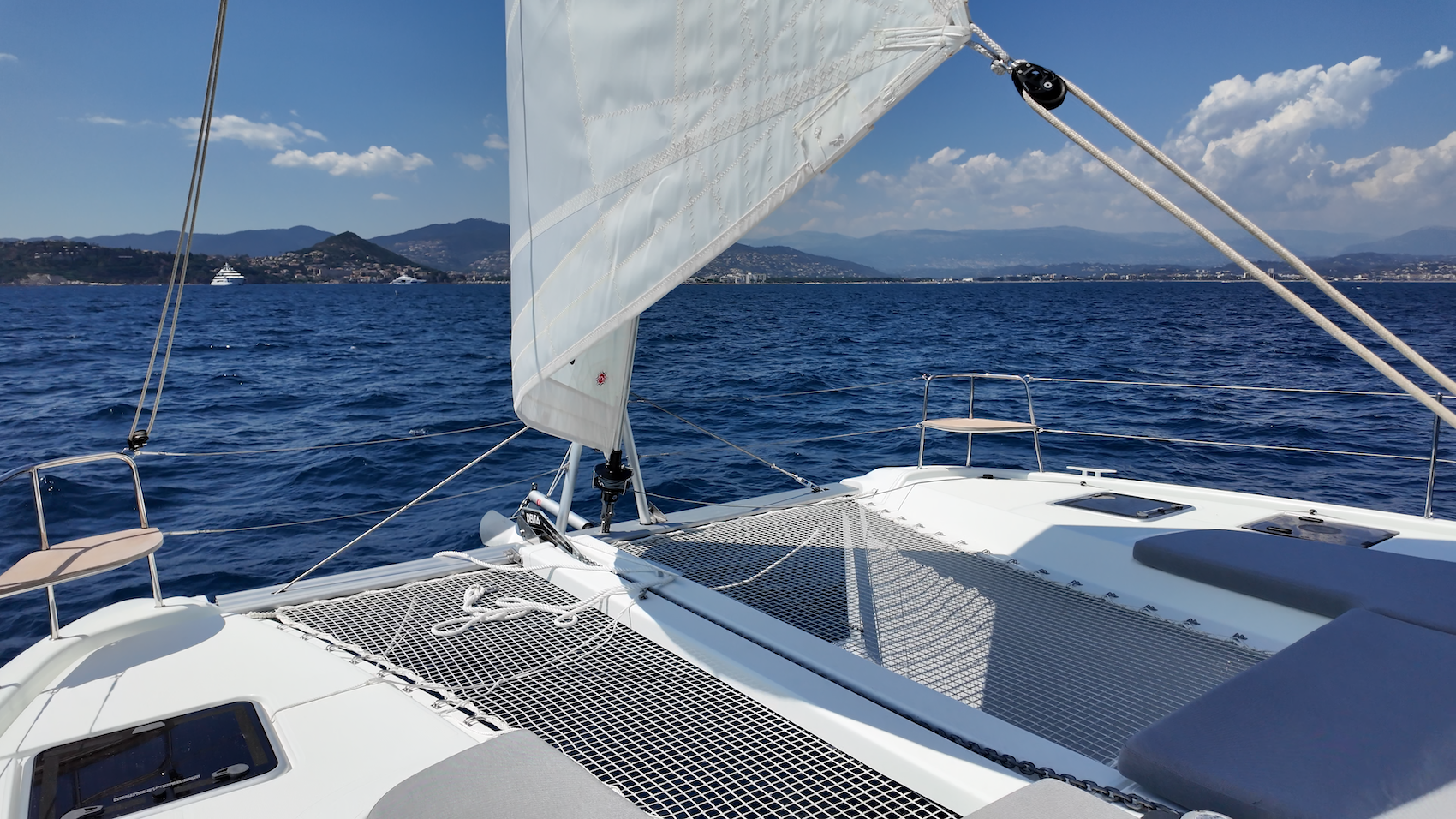
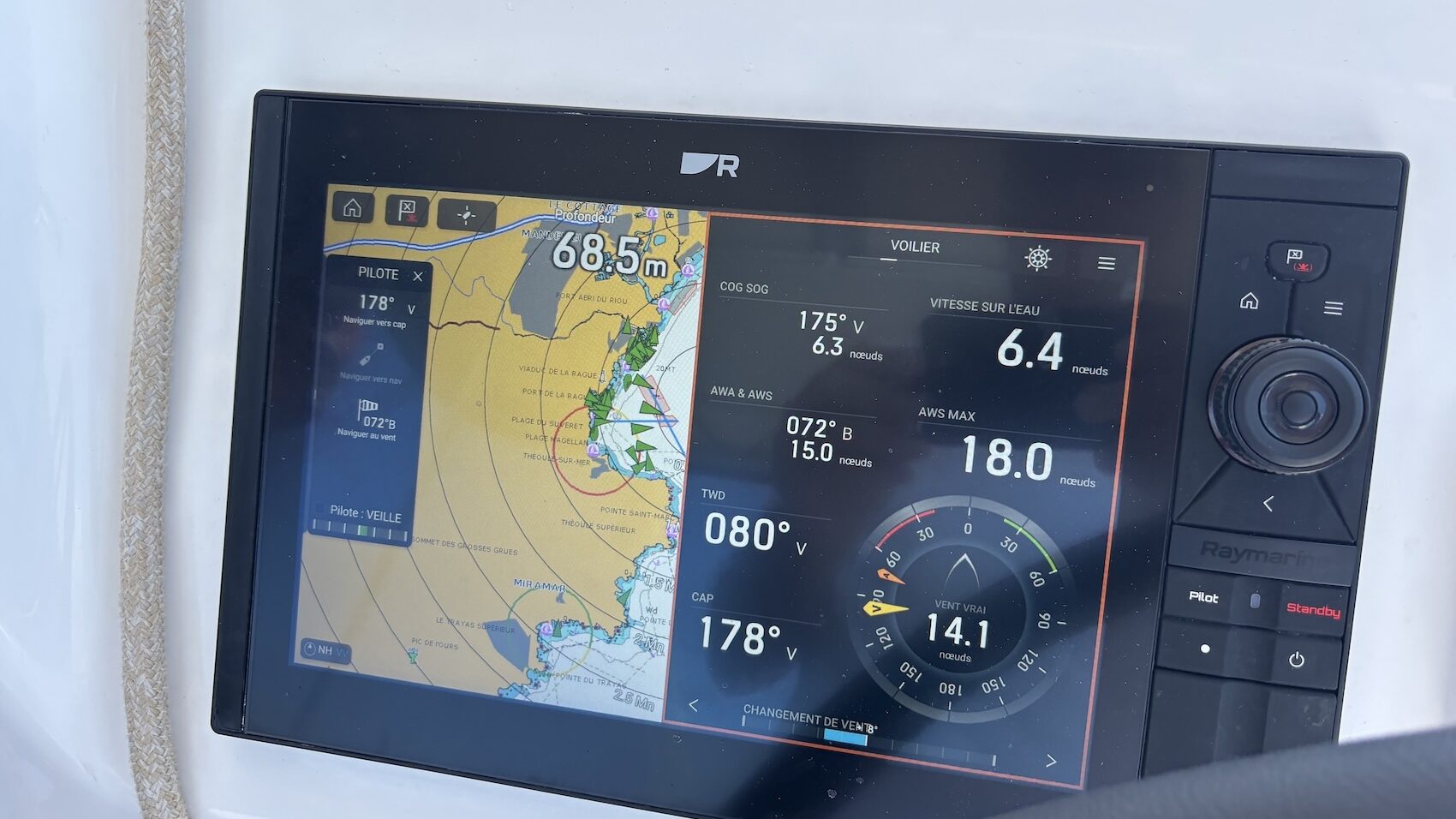
The foredeck offers an impressive amount of living space, with a large trampoline, two comfortable lounges complete with chaise longues, a centrally positioned anchoring system, and the classic forward seats where you can sit back and enjoy the view while underway. I head up to approximately 80 degrees true wind angle (TWA), steering a true course of175 degrees. With 14.1 knots of true wind, the boat logs 6.4 knots through the water—not bad at all considering we’re sailing with only the self-tacking jib.
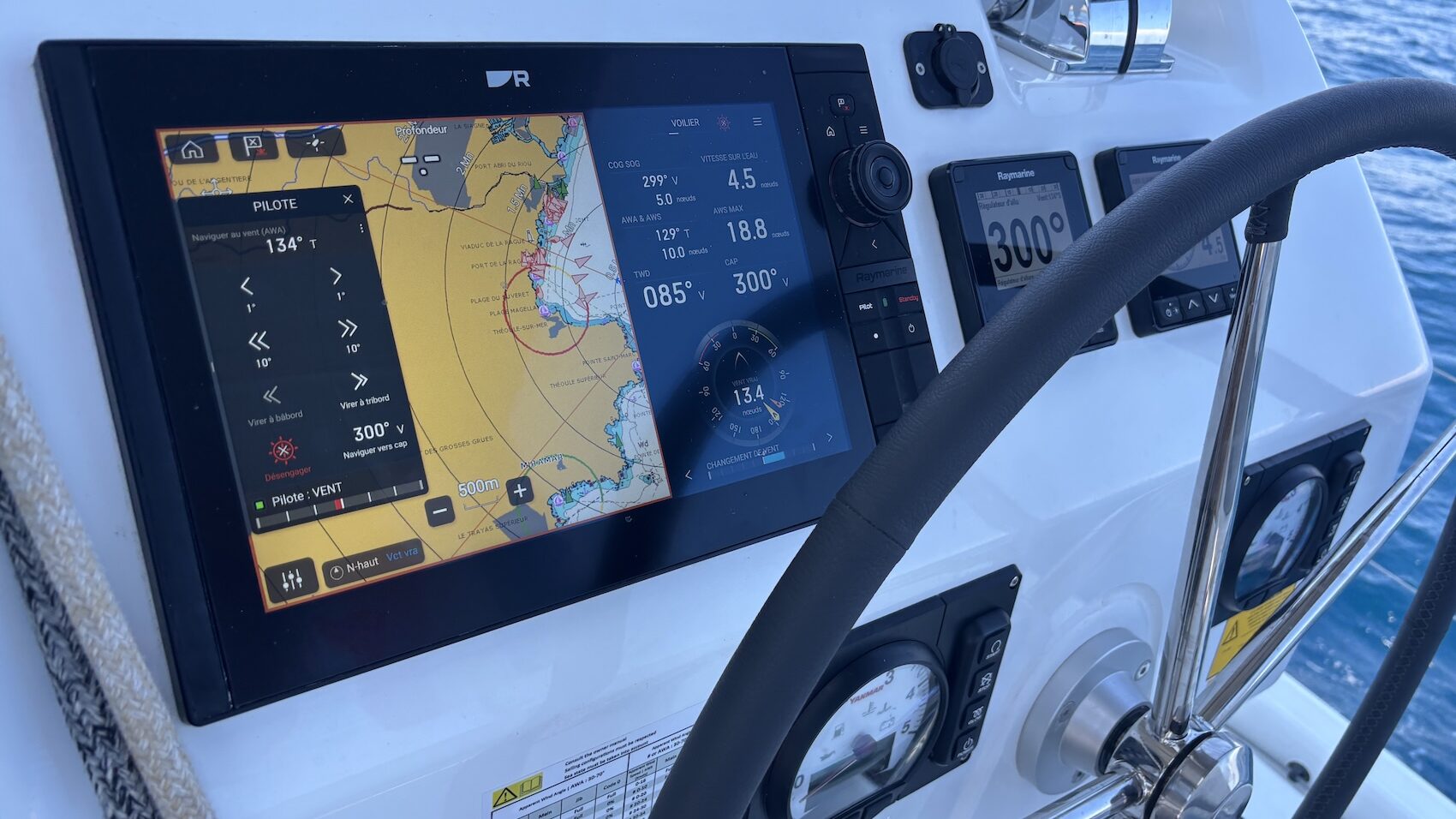
At this speed, the Lagoon 38 delivers an excellent ride. It remains well-balanced over the waves without excessive rolling. I then bear away, easing both the mainsail and jib on my own, and set a heading of 300 degrees. The actual course over ground settles at 299 degrees due to slight current and leeway. With the true wind angle now at 135 degrees, the GPS shows a speed over ground (SOG) of 5.0 knots, while the log reads 4.5 knots through the water, indicating we’re benefiting from a favorable current.
I return to a beam reach to build speed again, and once we’re back to around 6 knots I tack fairly quickly to minimize speed loss. With a light displacement of 10.24 tons, the Lagoon 38 rewards smooth, efficient maneuvers, especially in lighter winds where preserving momentum is essential.
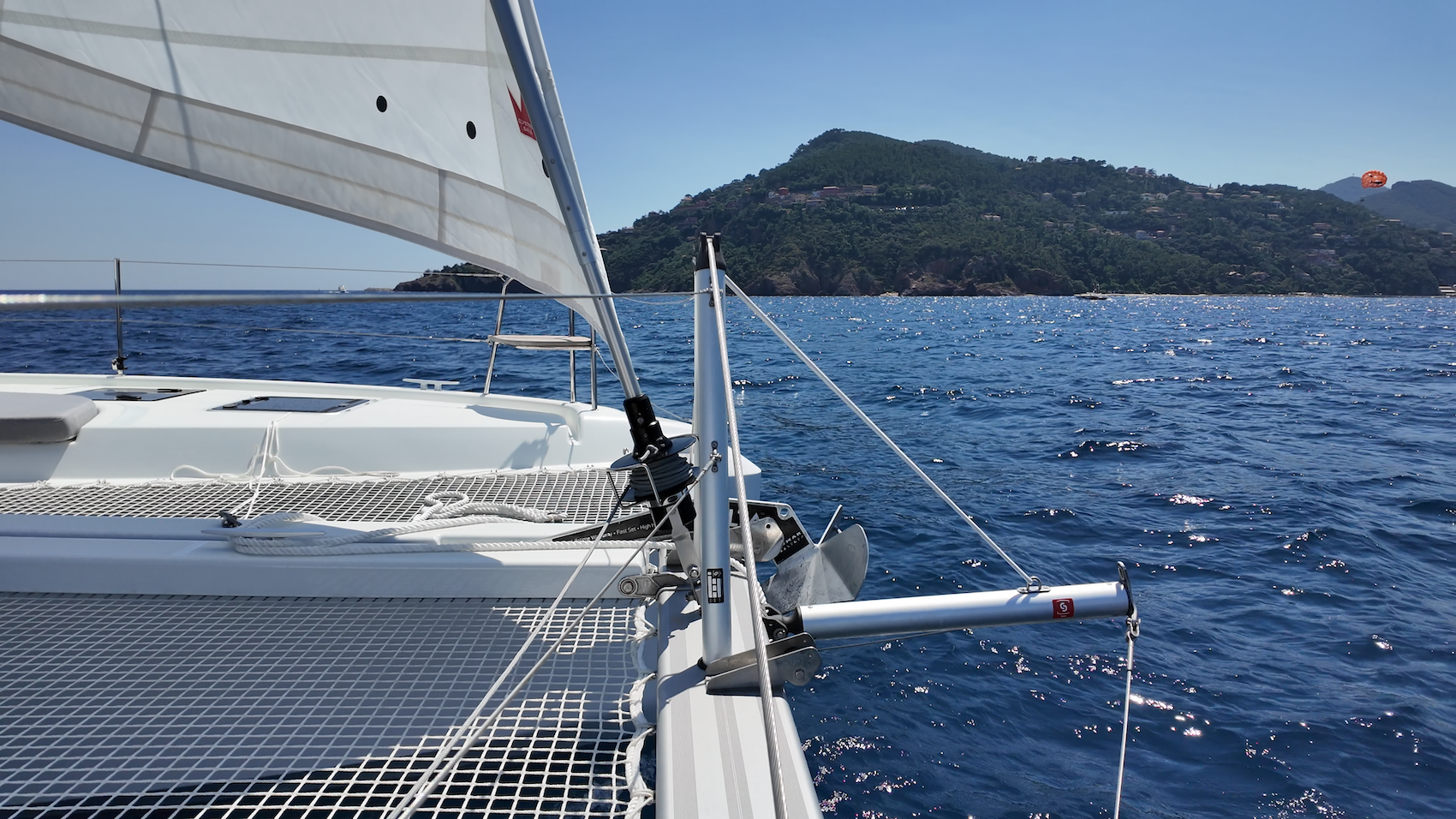
The Lagoon 38 really comes into its own on reaching angles, with the wind between 90 and 140 degrees off the bow. The boat feels extremely stable, glides effortlessly, and with a healthy breeze of 12 to 15 knots or more comfortably maintains speeds between 6 and 8 knots with virtually no heel or strain. Its sweet spot is around 55 to 60 degrees to the true wind; try pointing higher, around 40 to 45 degrees, and boat speed begins to drop. The sail plan is intentionally conservative, making the boat remarkably forgiving and difficult to overpower, even for cruising families or less experienced sailors. As mentioned earlier, all sail controls are led aft to the helm station, allowing every maneuver to be performed safely from a single position. Under power, the twin 29 HP engines cruise comfortably at around 2,200 to 2,400 rpm, pushing the boat at approximately 6.5 to 6.8 knots with an excellent cruising stride while consuming just 3.5 to 4 liters per hour combined—an impressively efficient figure.
Lagoon 38 – Interior
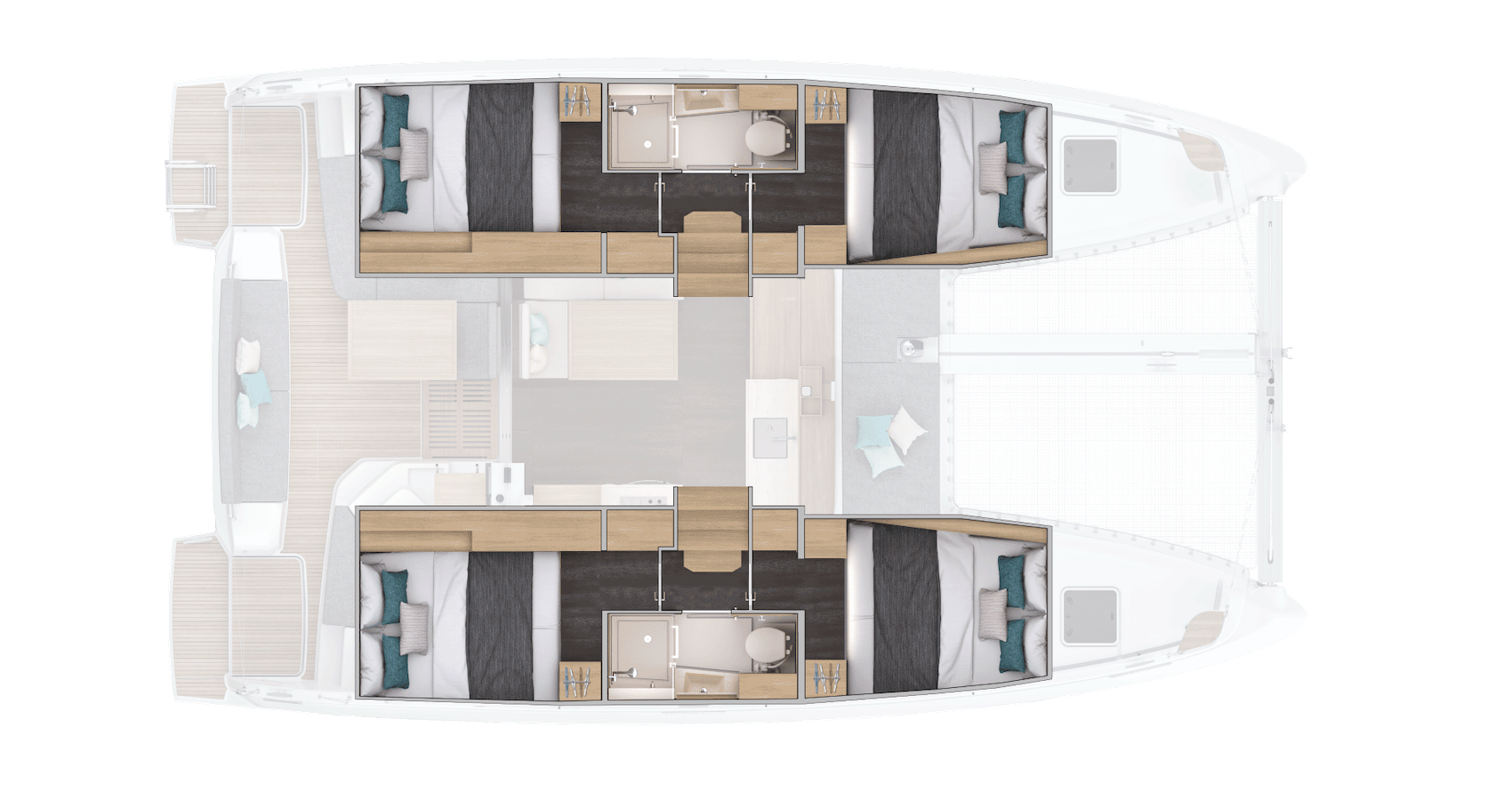
The Lagoon 38 is available in more than ten different layout configurations to suit a wide range of cruising styles. Buyers can choose a four-cabin, four-head version or the owner’s layout, where one entire hull is dedicated to a spacious private suite. The cockpit is exceptionally roomy, and the large sliding glass door seamlessly connects the cockpit with the salon, creating one continuous living space while eliminating barriers and making movement throughout the boat remarkably fluid.
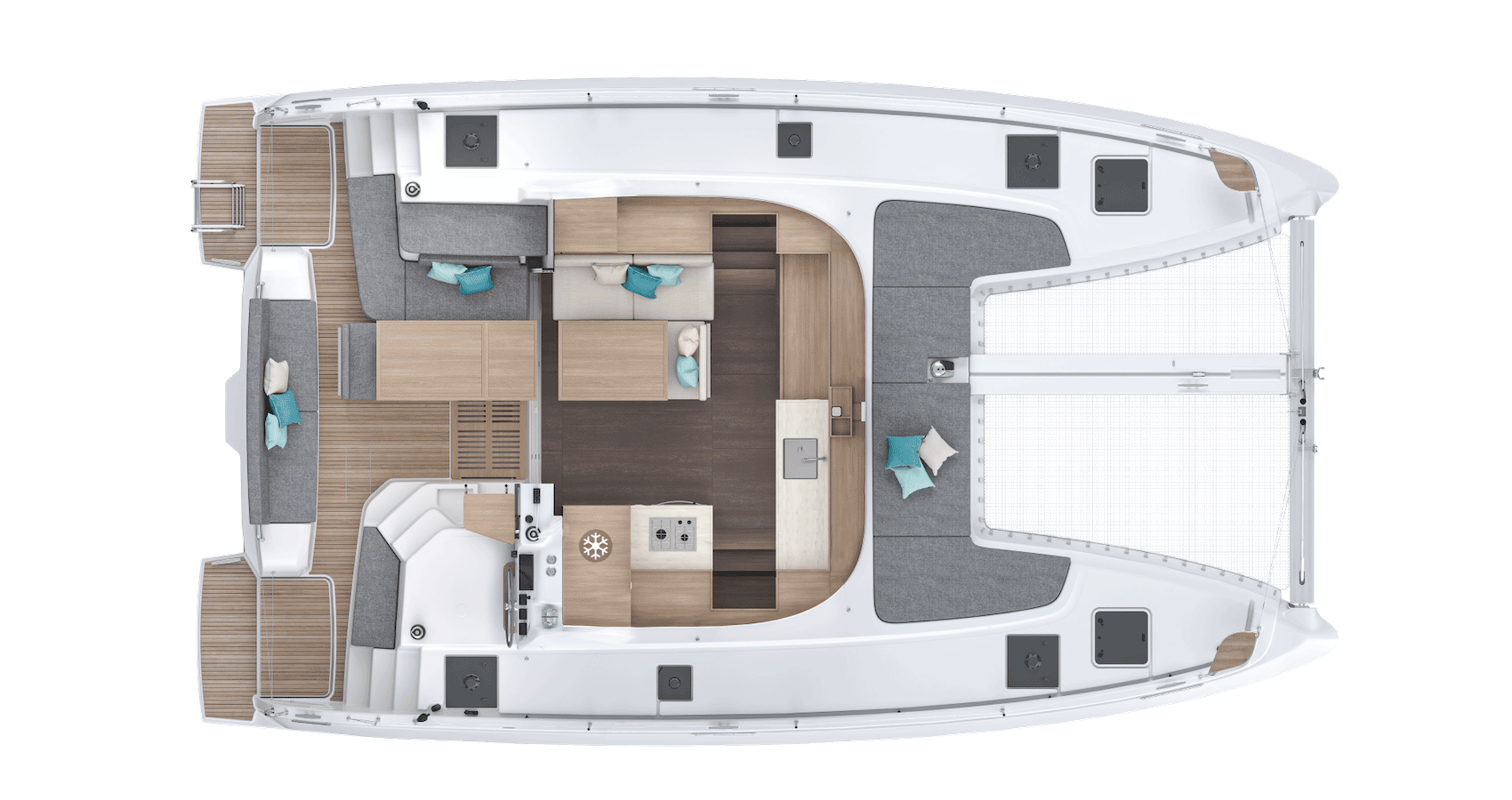
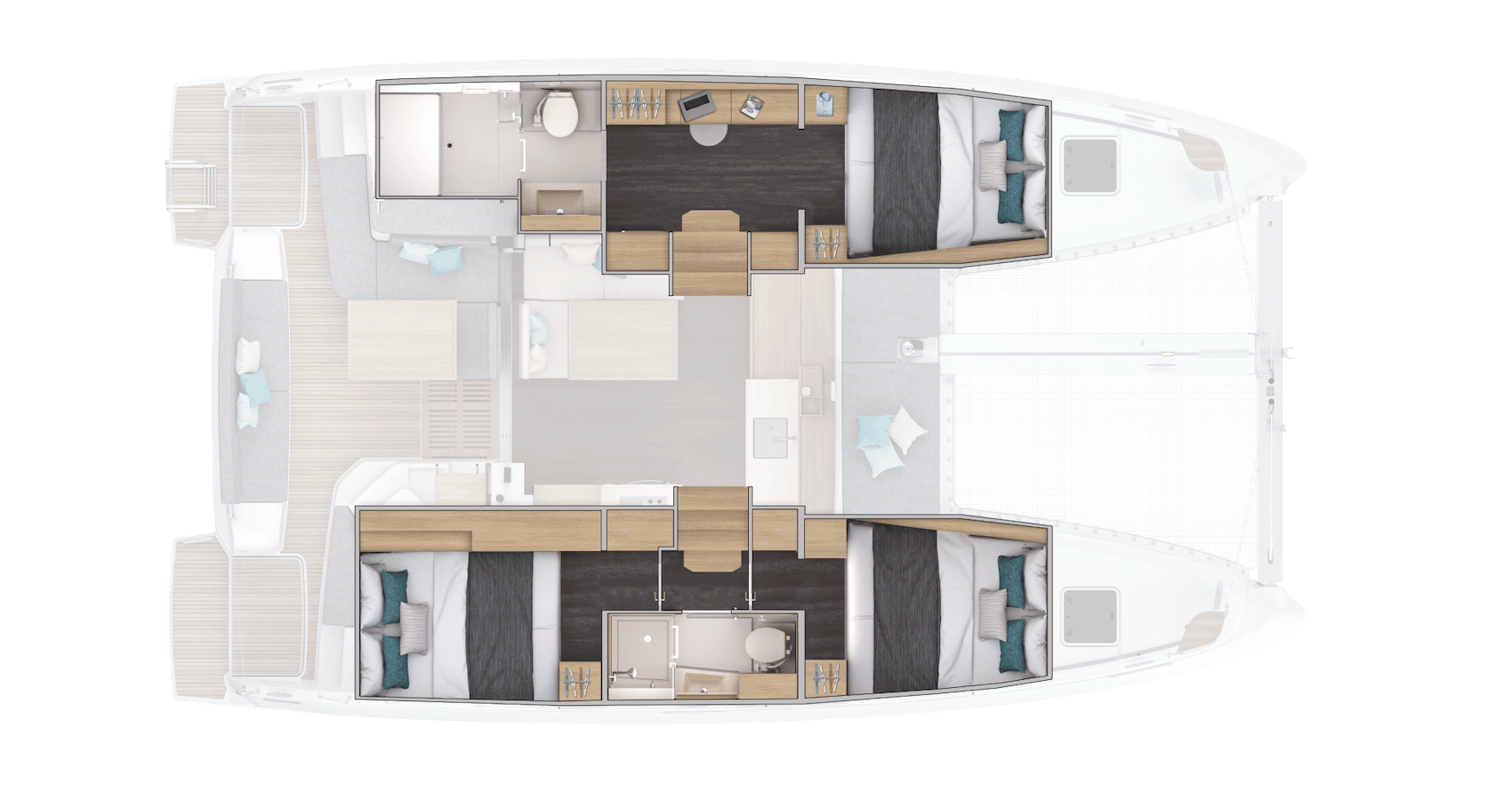
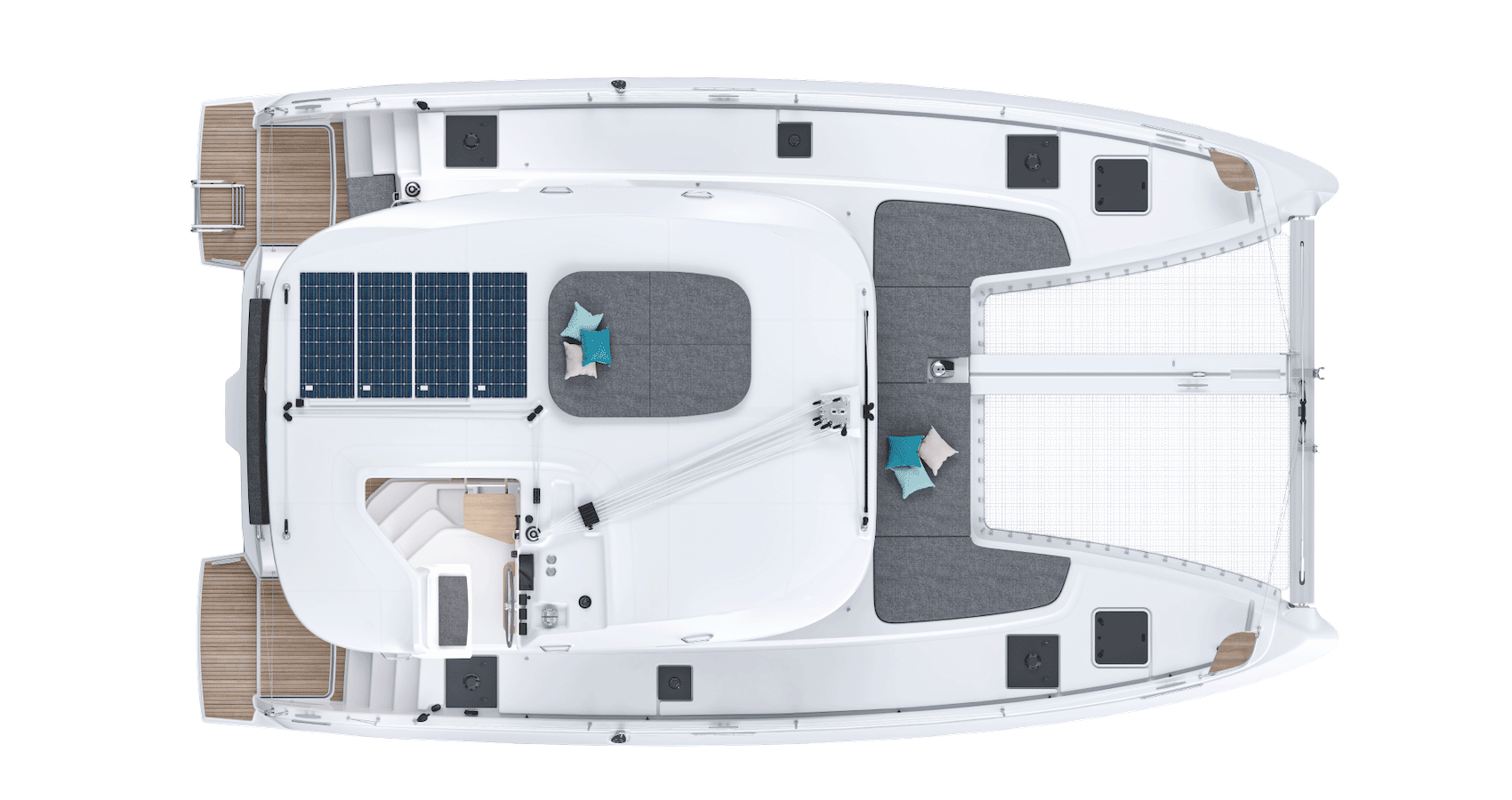
Although compact by today’s multihull standards, the Lagoon 38 proves that exceptional comfort doesn’t require excessive length. Its intelligent use of both interior and exterior space, combined with the seaworthiness that has enabled hundreds of families to embark on bluewater adventures, makes it a standout cruising catamaran. At the upcoming Cannes Yachting Festival, Lagoon will showcase its entire range and will also unveil the all-new Lagoon 47 in its world premiere.
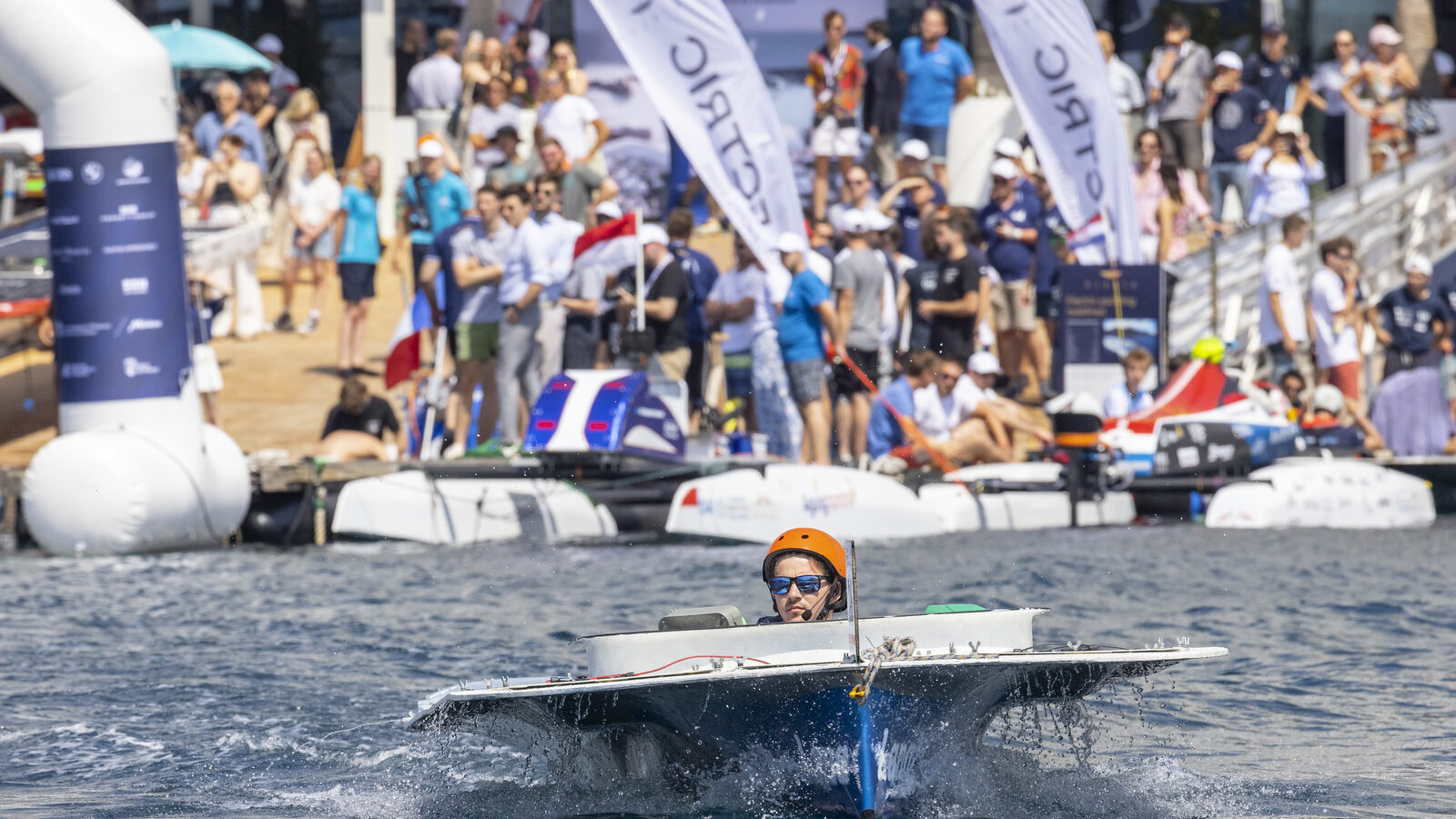
From July 8 to 11, the Yacht Club de Monaco will host the thirteenth edition of the Monaco Energy Boat Challenge, an international event that has established itself over the years as one of the main laboratories for innovation and energy transition in the nautical sector. For four days, the Principality will become the meeting point for students, researchers, engineers, shipyards, and companies from around the world, called to discuss the technologies aimed at transforming the future of mobility at sea.
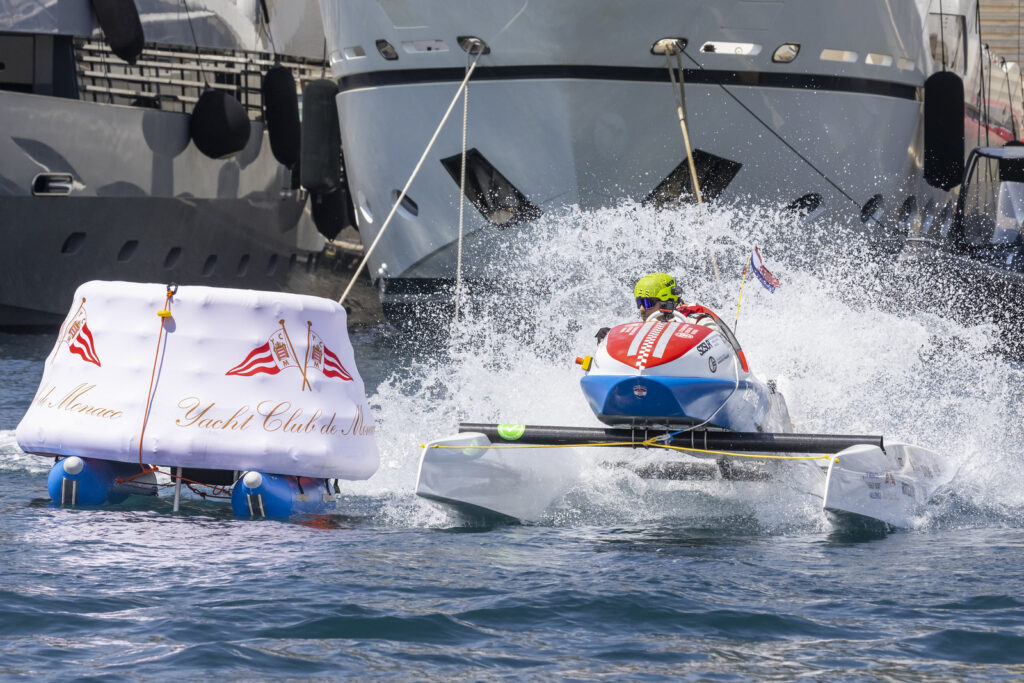
Monaco Energy Boat Challenge: the Principality calls the world
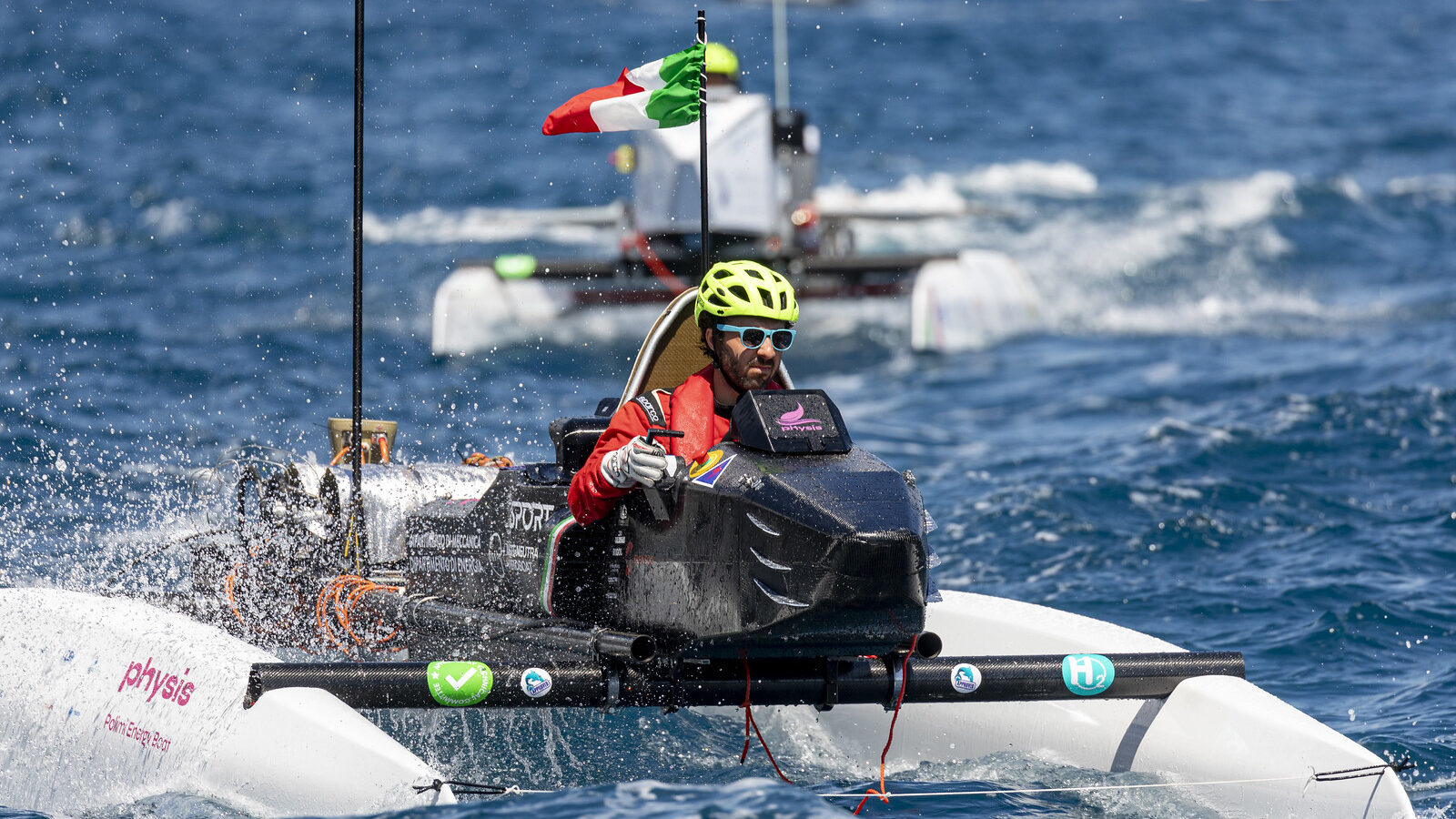
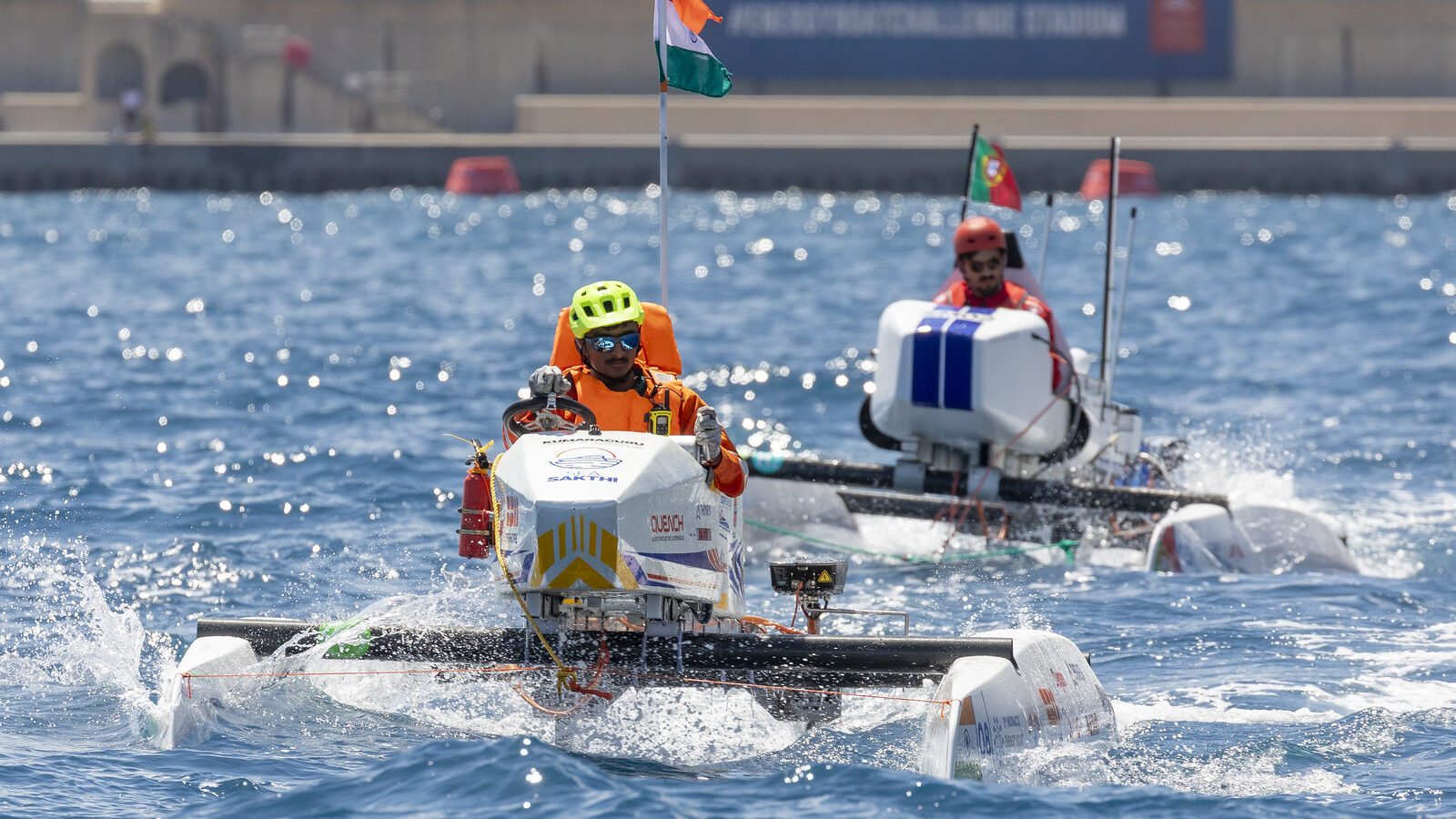
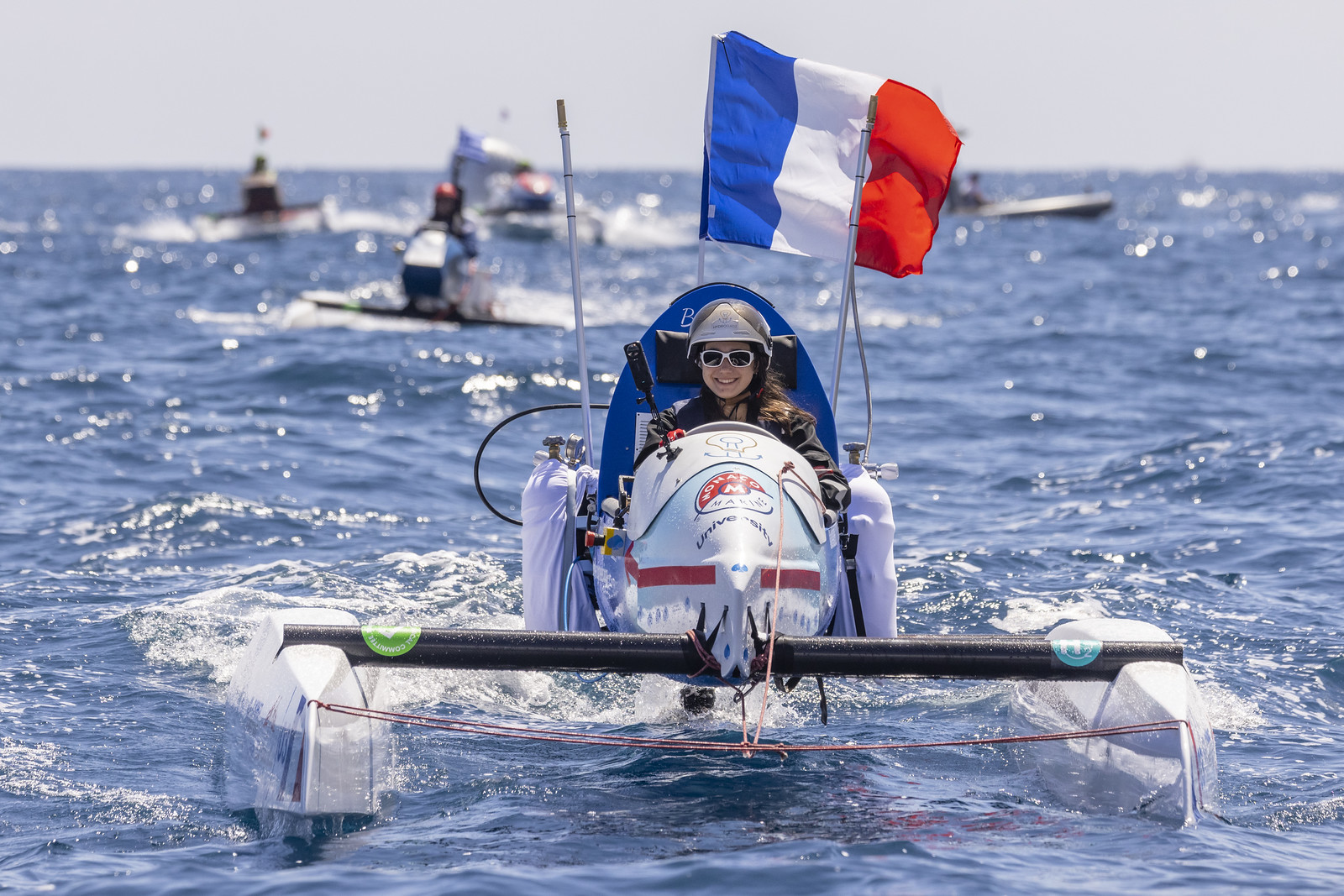
The expected numbers for this year’s edition confirm the growing international interest in the event, with the participation of over 1,000 students, 52 teams from 21 nations representing 33 universities, along with 14 universities present as observers. These numbers testify to how the event has established itself in recent years as a privileged platform for the development of solutions dedicated to sustainable yachting.
Organized as part of the initiative “Monaco, Capital of Advanced Yachting”, the Monaco Energy Boat Challenge can count on the support of Fondation Prince Albert II de Monaco, UBS, BMW, and SBM Offshore, in addition to the participation of major players in the nautical industry such as Safe Harbor, Oceanco, Ferretti Group, Azimut | Benetti Group, and Lürssen.
“This year we find loyal teams, but also new participants and universities coming to observe the event to prepare for their future entry into competition. It is probably the best indicator of the dynamics of the Monaco Energy Boat Challenge,” comments Bernard d’Alessandri, Director and Secretary General of the Yacht Club de Monaco.
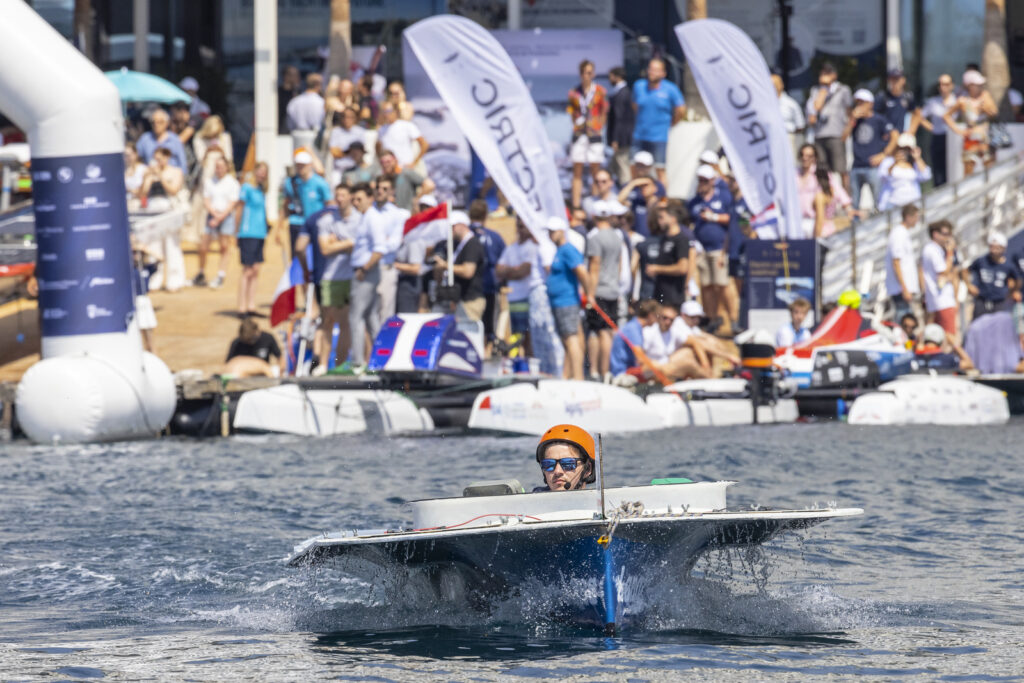
A single challenge: the decarbonization of maritime transport
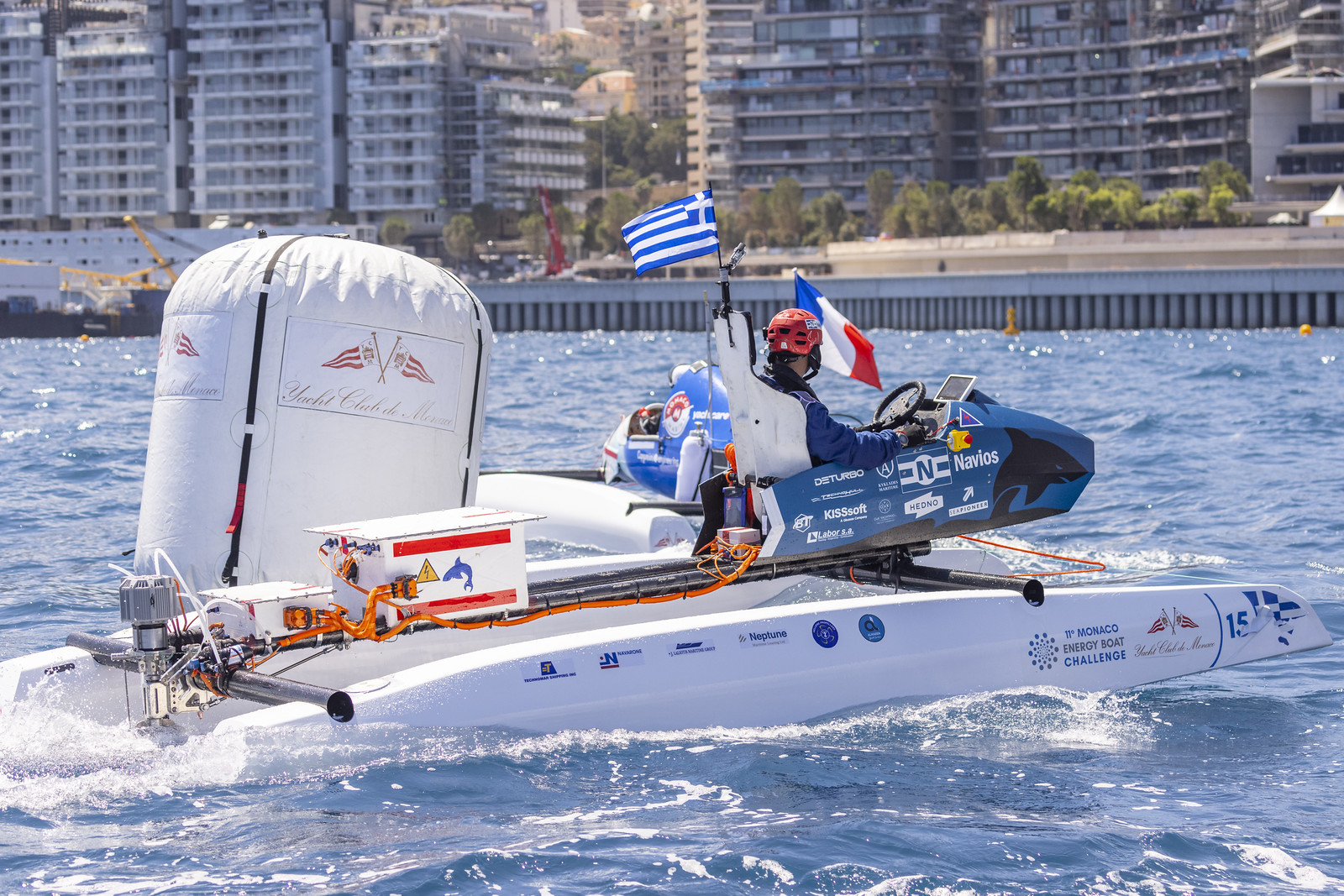
The teams will compete in the categories Energy Class, AI Class, SeaLab Class, and Open Sea Xperience, presenting projects ranging from electric propulsion to hydrogen and methanol-powered systems, to the most advanced foil technologies. Different solutions united by a single goal: to contribute to the decarbonization of maritime transport. From 2024, NatPower H will serve as the technical partner of the event and official supplier of hydrogen, ensuring the supply of the fuel necessary for the trials.
Among the novelties of this year is the presence of a U.S. delegation composed of Columbia University in New York, George Washington University, Howard University, and Florida International University. The universities will participate as observers with the intention of competing starting from the 2027 edition.
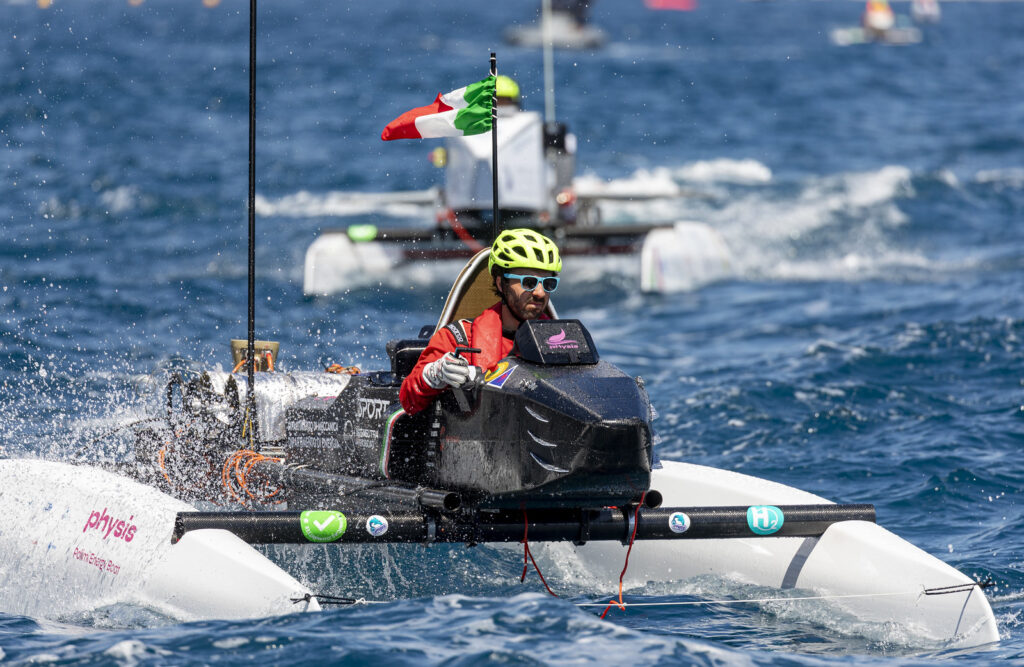
Monaco Energy Boat Challenge: not just races
Alongside the races, the Monaco Energy Boat Challenge will also offer a rich program open to the public. From July 9 to 11, the Village of the event will be open for free visits, from 10 AM to 6 PM, featuring a television stage with live coverage of the competitions and daily awards, driving simulators, the Winch Challenge, family activities, exhibition areas dedicated to new technologies, refreshment points, and free ice cream distribution during the afternoon.
Among the most anticipated events is the Fondation Prince Albert II de Monaco Sustainable Yachting Technology Award, which will award a prize of 25,000 euros to the university or research project deemed most promising for energy efficiency and carbon emission reduction in the yachting sector. Competing for the prize will be University of Genoa, ENSAM – Hydrogadz, Politecnico di Torino, and Kumaraguru College of Technology.
The event also confirms its role as a bridge between the academic world and the industrial sector through the Corporate Mentoring Programme, an initiative that in 2026 involved 20 professionals and 22 teams, facilitating the transfer of technical and industrial skills during the development of projects.
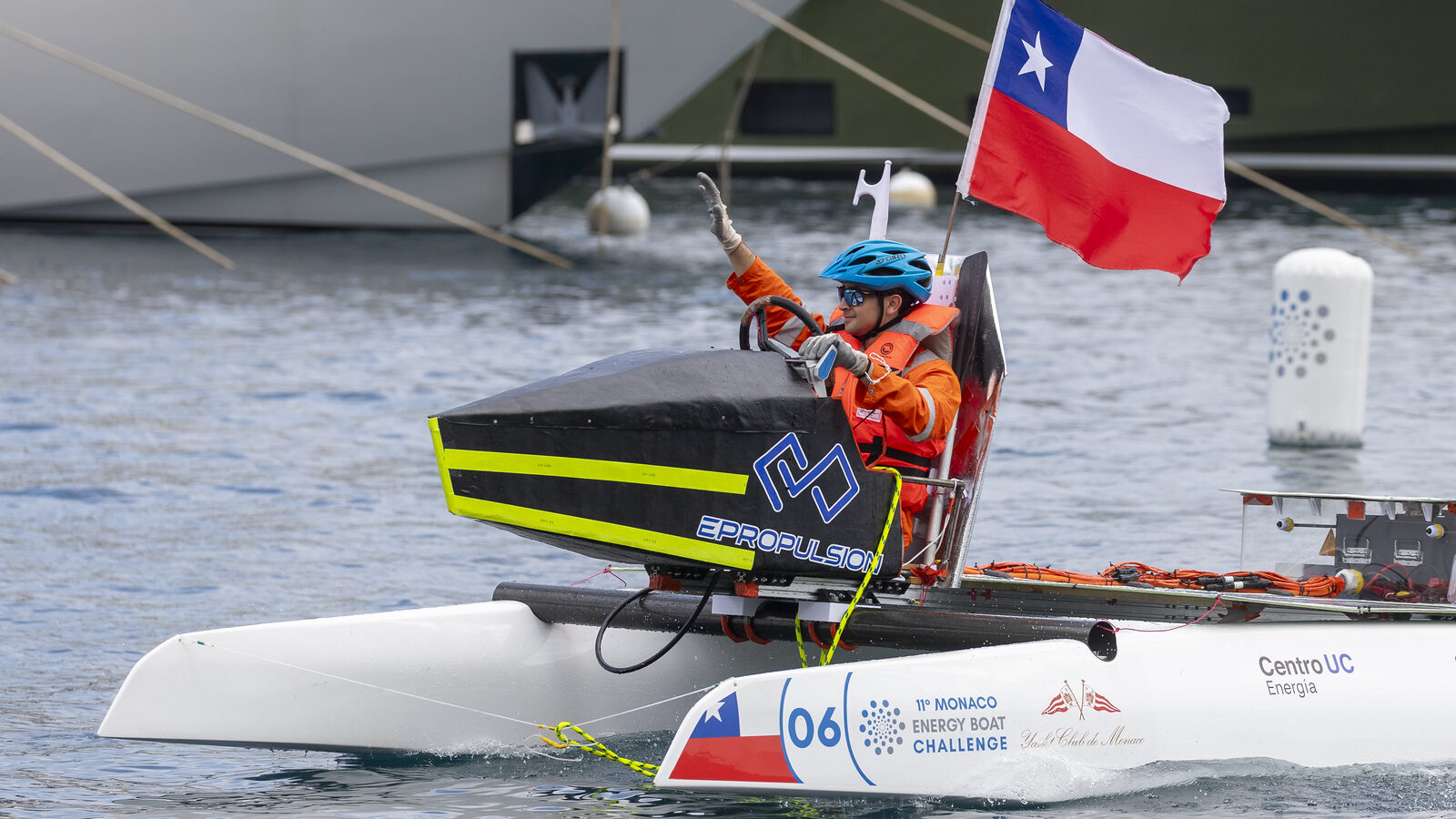
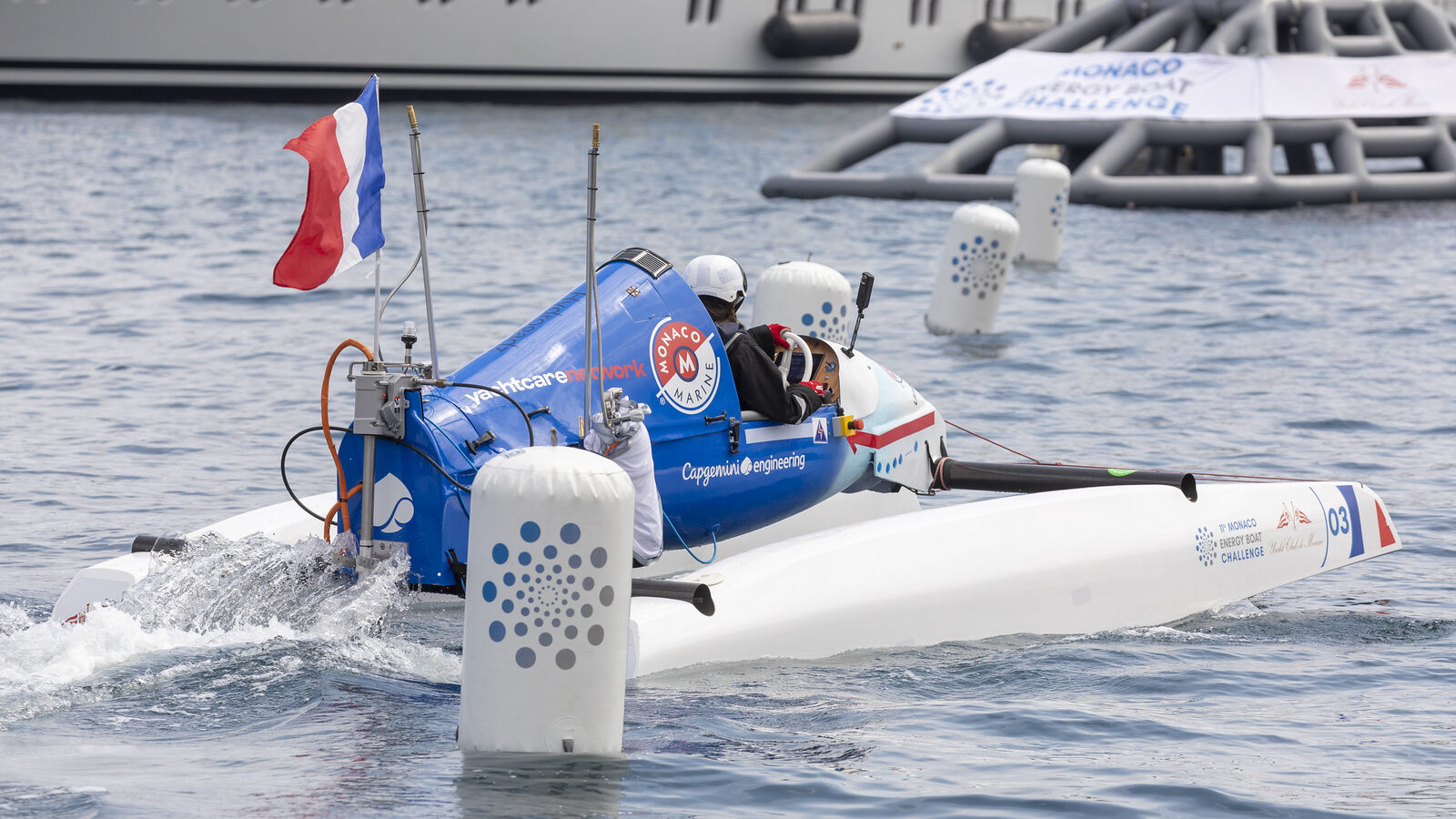
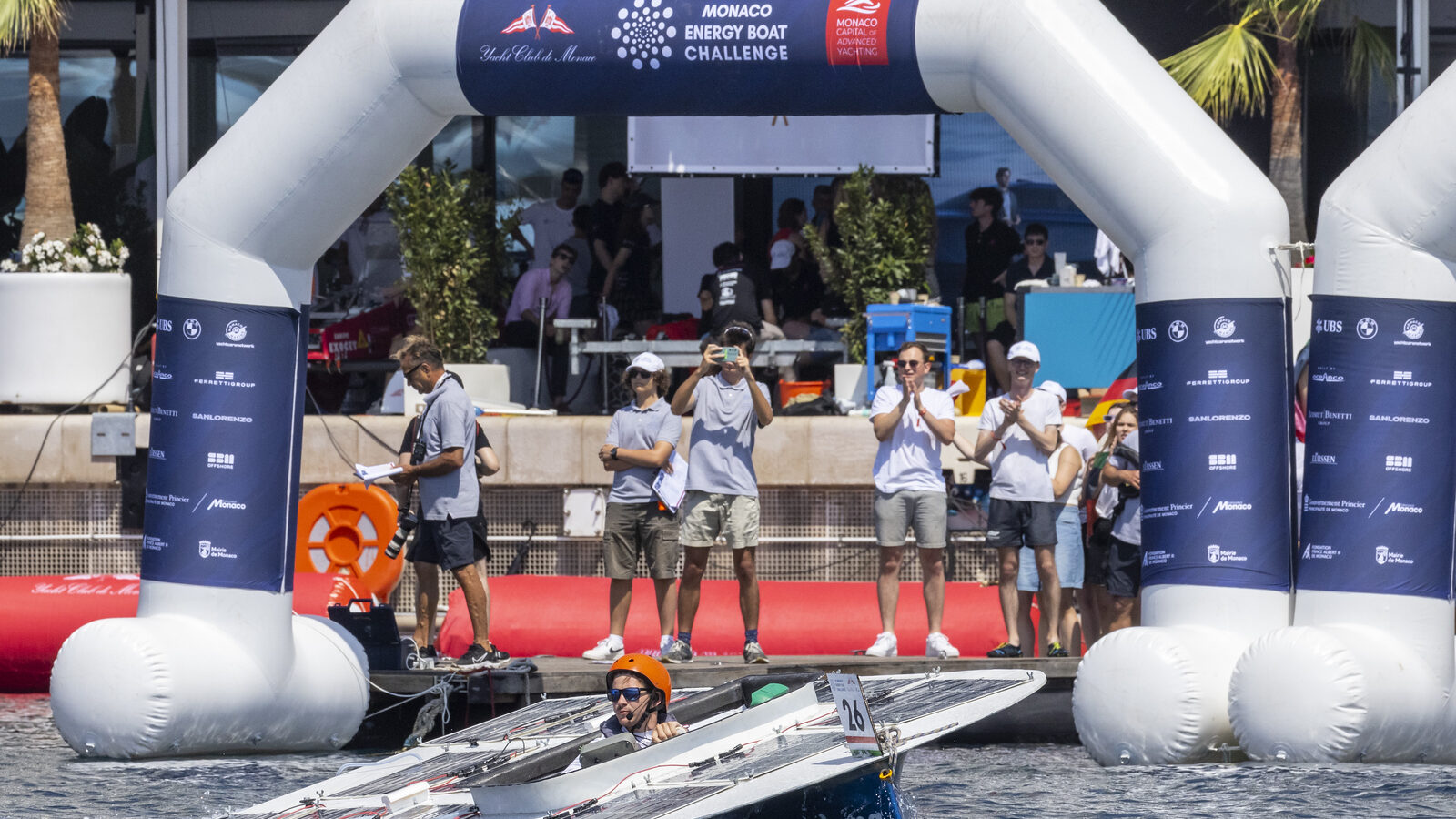
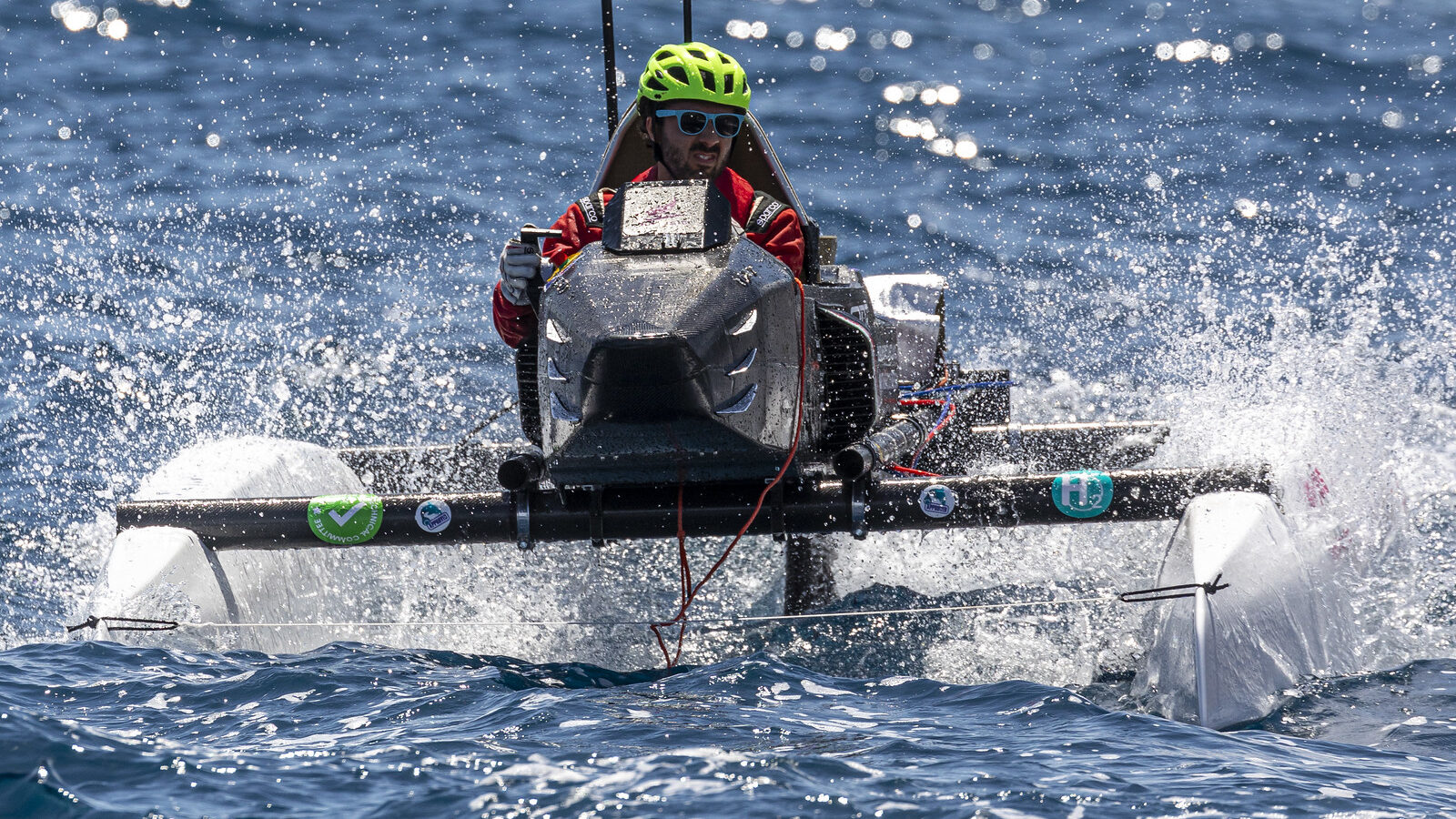
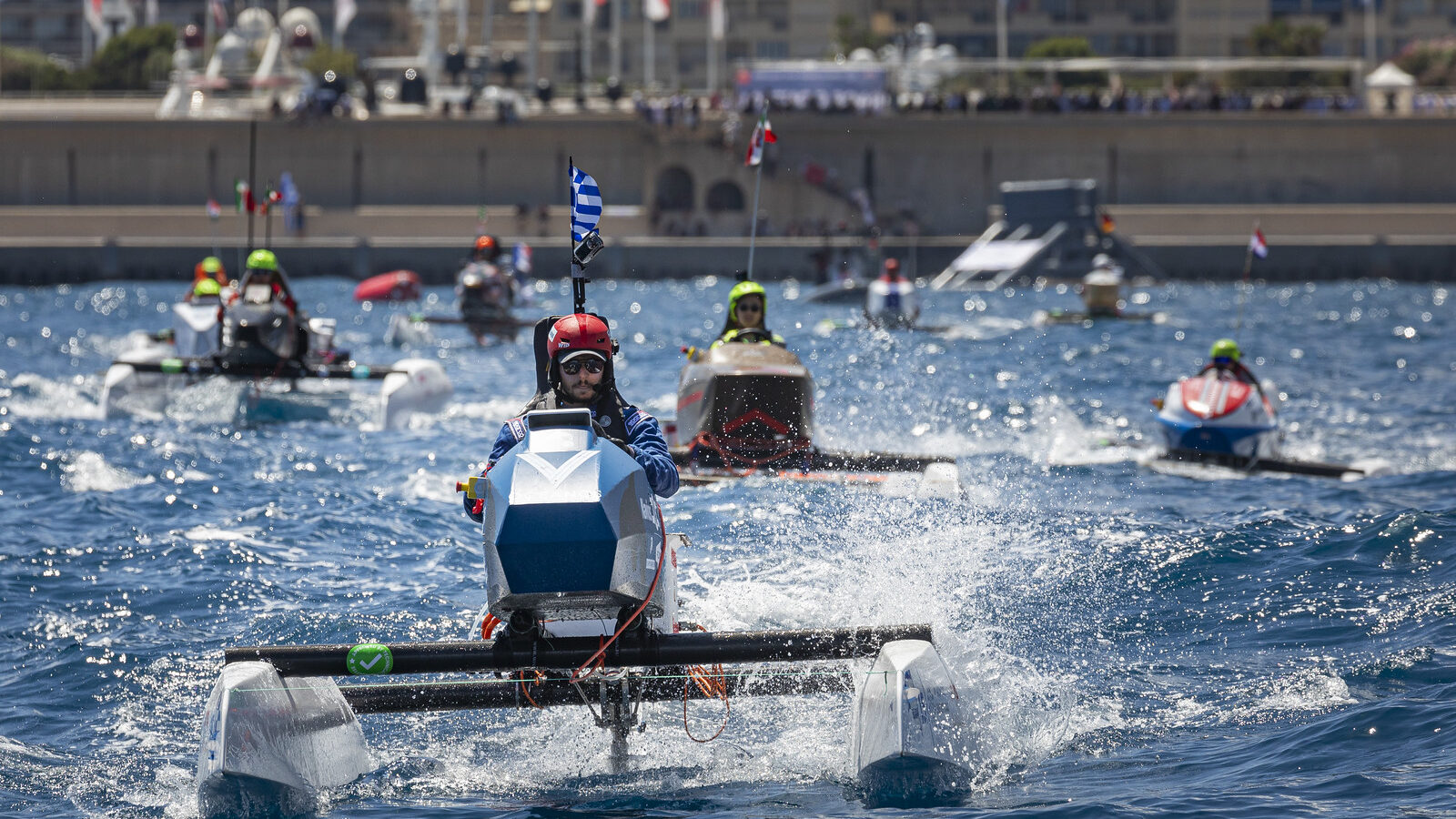
Demonstrating the concrete impact of the Monaco Energy Boat Challenge on the sector is the journey of NEMO Systems, a startup founded by three former participants of the event. This year, the company will provide the official GPS tracking system, data collection, and analysis for all competing vessels, allowing real-time monitoring of geolocation and energy performance of the prototypes.
The link between the Monaco Energy Boat Challenge and the industrial world is also strengthened through the direct involvement of companies in the development of university projects. Safe Harbor, a partner of the event, has supported two teams from the Energy Class during the year – Hydrogadz from the École nationale supérieure des Arts et Métiers and TAMEO Energy from ENSTA Paris – providing technical support, project management assistance, and access to its infrastructure. The prototypes were also tested at the group’s shipyard in La Seyne-sur-Mer, where students were able to complete sea trials and fine-tune the vessels before the competition.
Also, UBS confirms its support for the initiative, emphasizing how the Monaco Energy Boat Challenge represents a concrete example of collaboration between research, industry, and new generations of engineers engaged in developing solutions for more sustainable and efficient maritime mobility.
An important opportunity for discussion
The 2026 edition will also offer a rich program of in-depth discussions dedicated to industry professionals. On July 9, theAdvanced Yachting Technology Conference will analyze the latest technological innovations applied to the nautical industry, while the following day, the seventh Alternative Fuels & Sustainable Yachting Conference, organized by the Yacht Club de Monaco together with the Fondation Prince Albert II de Monaco, will review the main decarbonization strategies in the sector, with presentations dedicated to nuclear propulsion, wind energy, methanol, batteries, and electrification.
There will also be space for knowledge sharing with the Tech Talks, scheduled for July 10. The best teams from the various categories will present their solutions on innovation, design, eco-design, ergonomics, and life cycle analysis to the public and an international jury, competing for awards dedicated to Innovation, Design, and Eco-Design. An event that confirms the vocation of the Monaco Energy Boat Challenge as a platform for open discussion, where the technologies developed by the teams become shared heritage for the entire sector.
With its mix of competition, research, and collaboration between universities and industry, the Monaco Energy Boat Challenge continues to represent a privileged observatory on the technologies that will drive the evolution of yachting in the coming years. An event that confirms the role of the Principality of Monaco as an international reference point in the development of innovative solutions for increasingly sustainable maritime mobility.
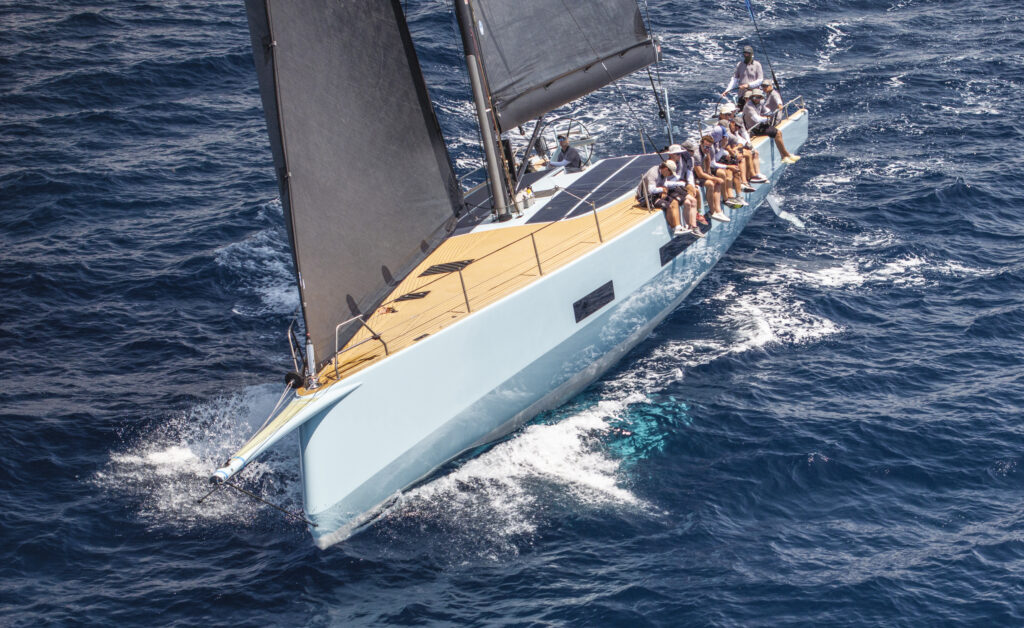
Baltic 80 Café Racer represents a completely new concept, optimized for easy handling, with or without professional crew, ensuring excellent performance and maneuverability.
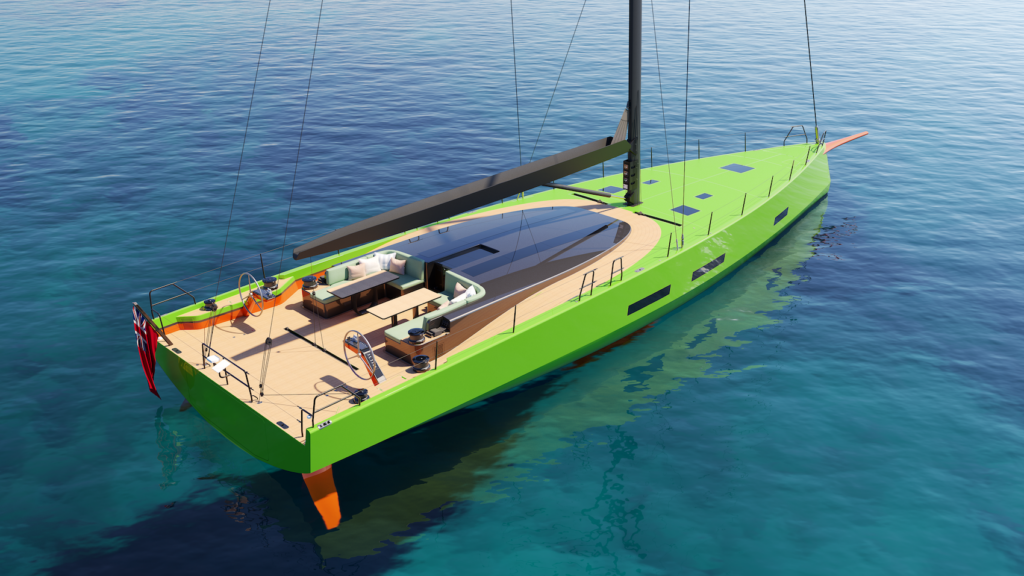
Baltic 80 Café Racer follows the success of the fleet Baltic 68 Café Racer which has elevated the very concept of speed and style in the realm of large luxury daysailers. Through feedback from owners and experience, the Baltic Yacht team has gone back to work to further improve a winning concept.
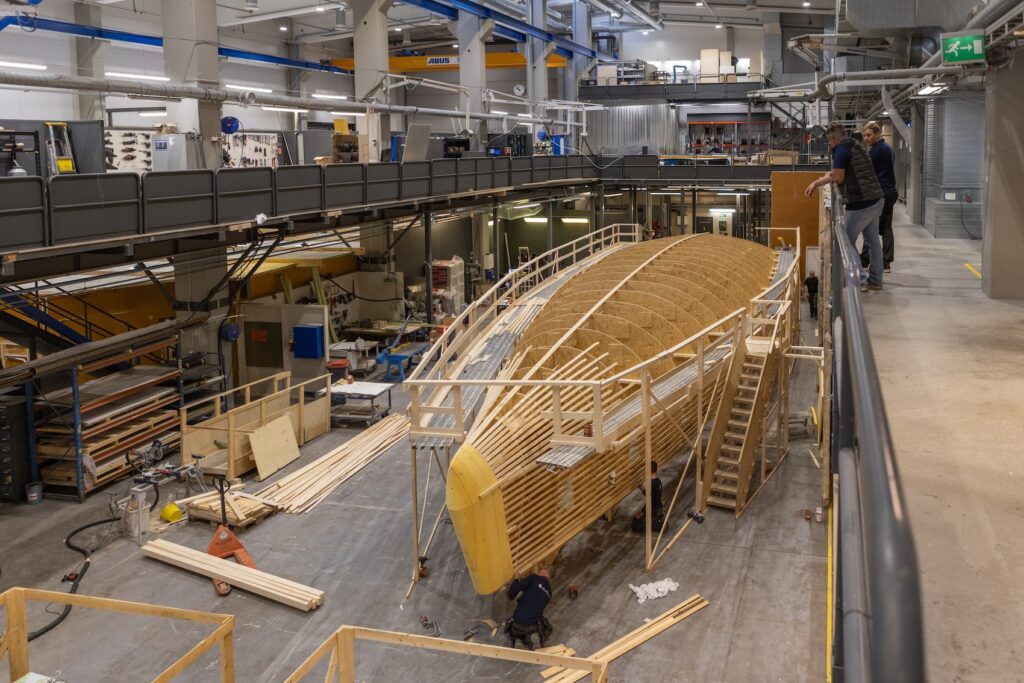
While remaining true to the concepts of safety and sailing performance of a true rebel, the Baltic 80 Café Racer features an overall length of under 24 meters, allowing owners to sail without crew, and will also have the option to be configured with two different sail plans, one for cruising and one for racing, a dual soul balancing speed and relaxation.
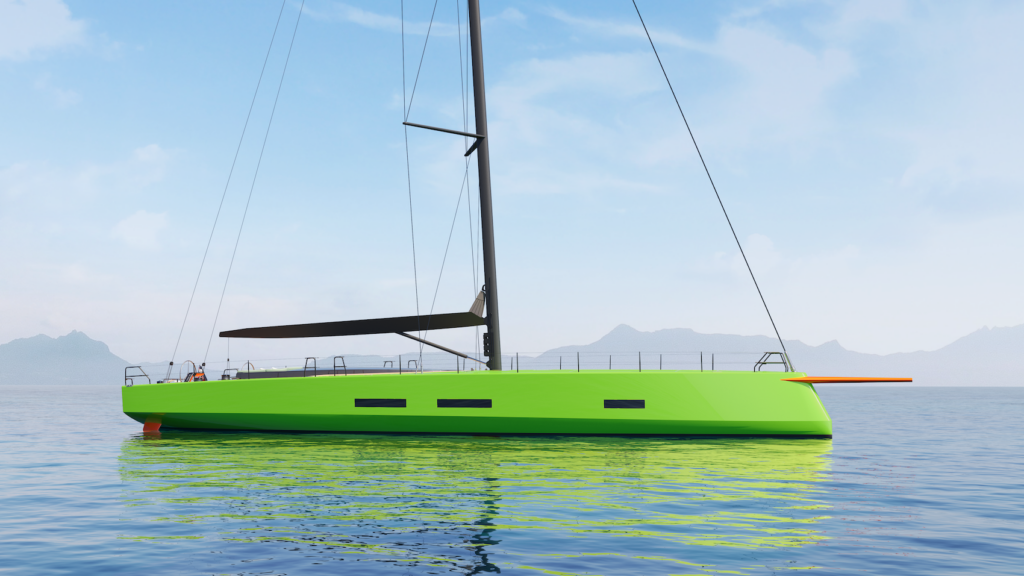
BALTIC 80 Café Racer, rebellious soul and classy interiors
The interiors are designed for maximum flexibility, allowing the owner to decide how to live on board, the first hull that Baltic Yachts is building will have an “open” layout with spacious living areas and an informal environment. Alternative layouts allow for greater definition and a more informal connotation depending on needs.
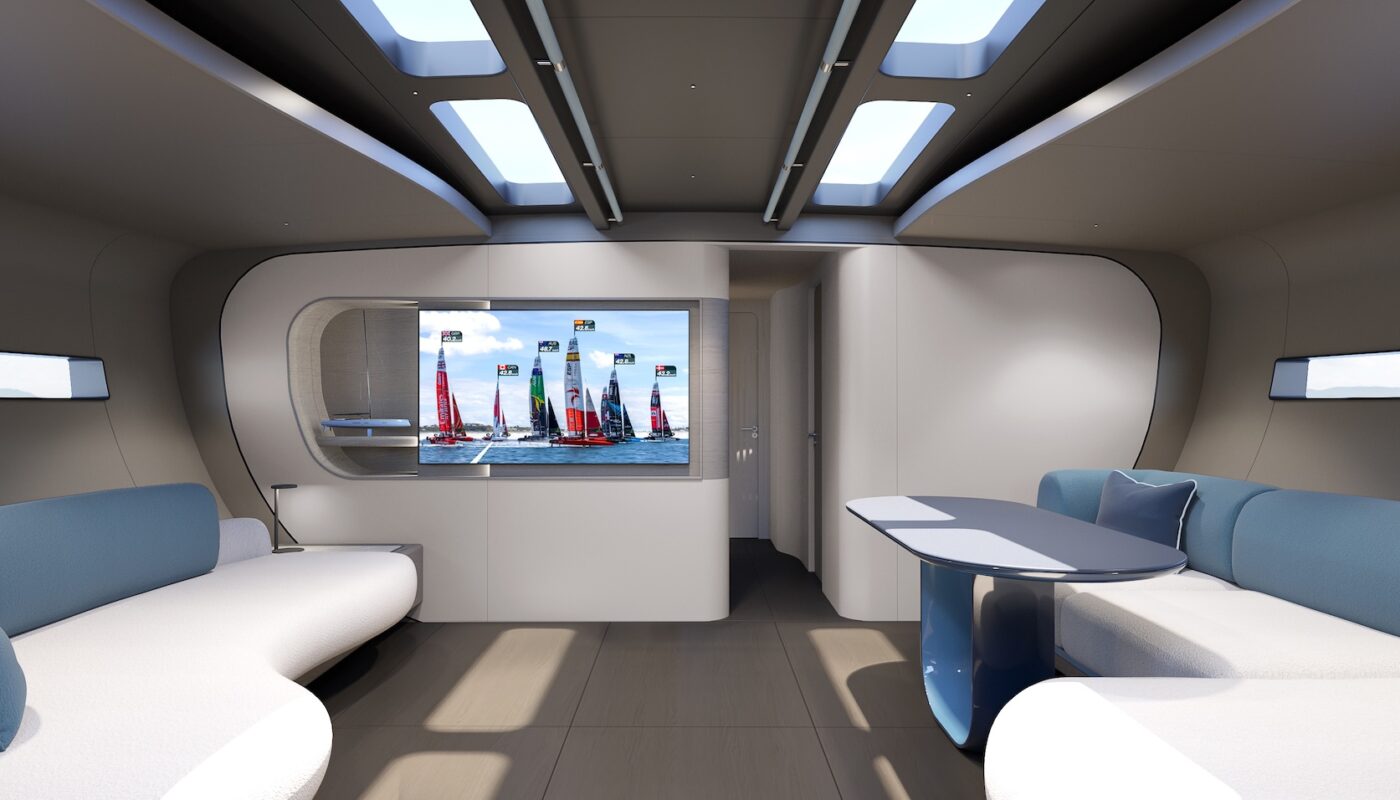
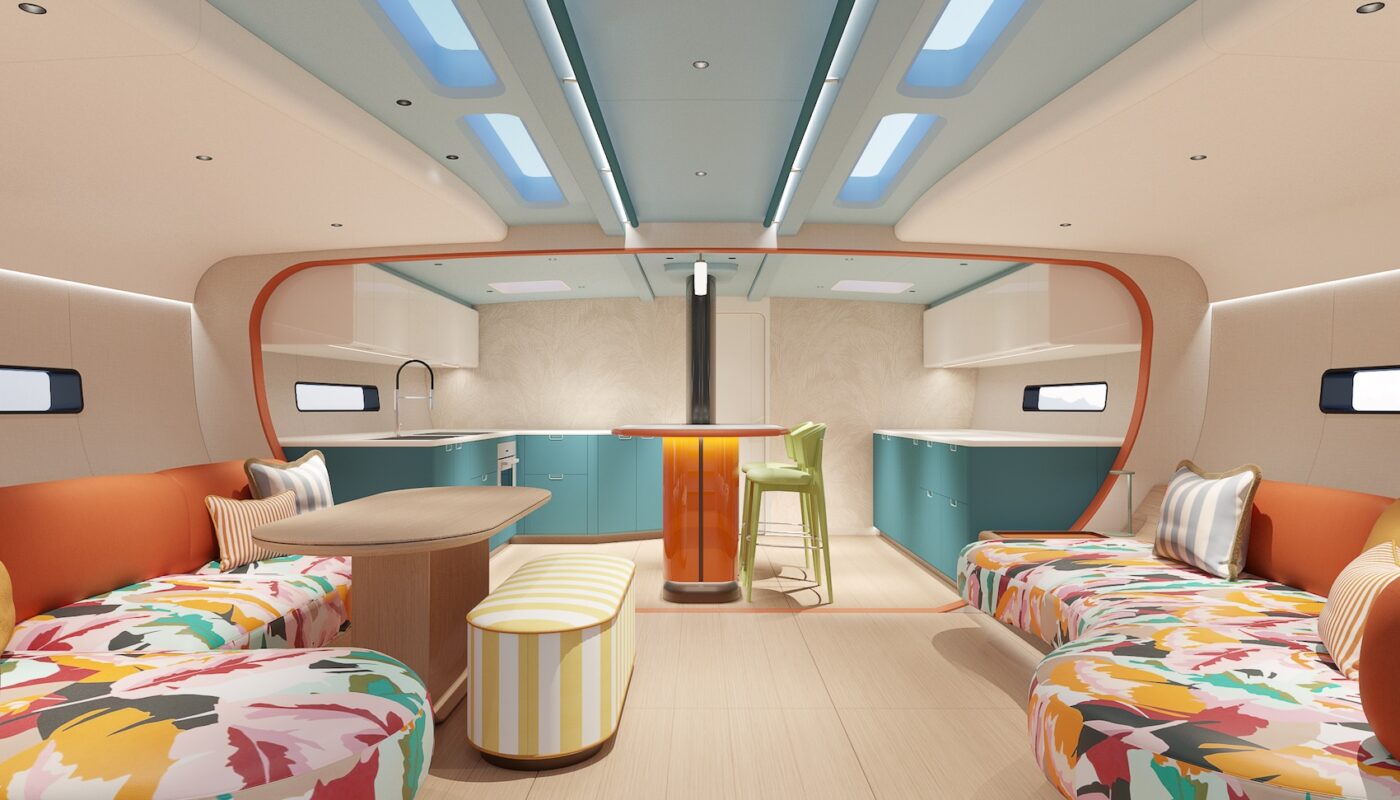
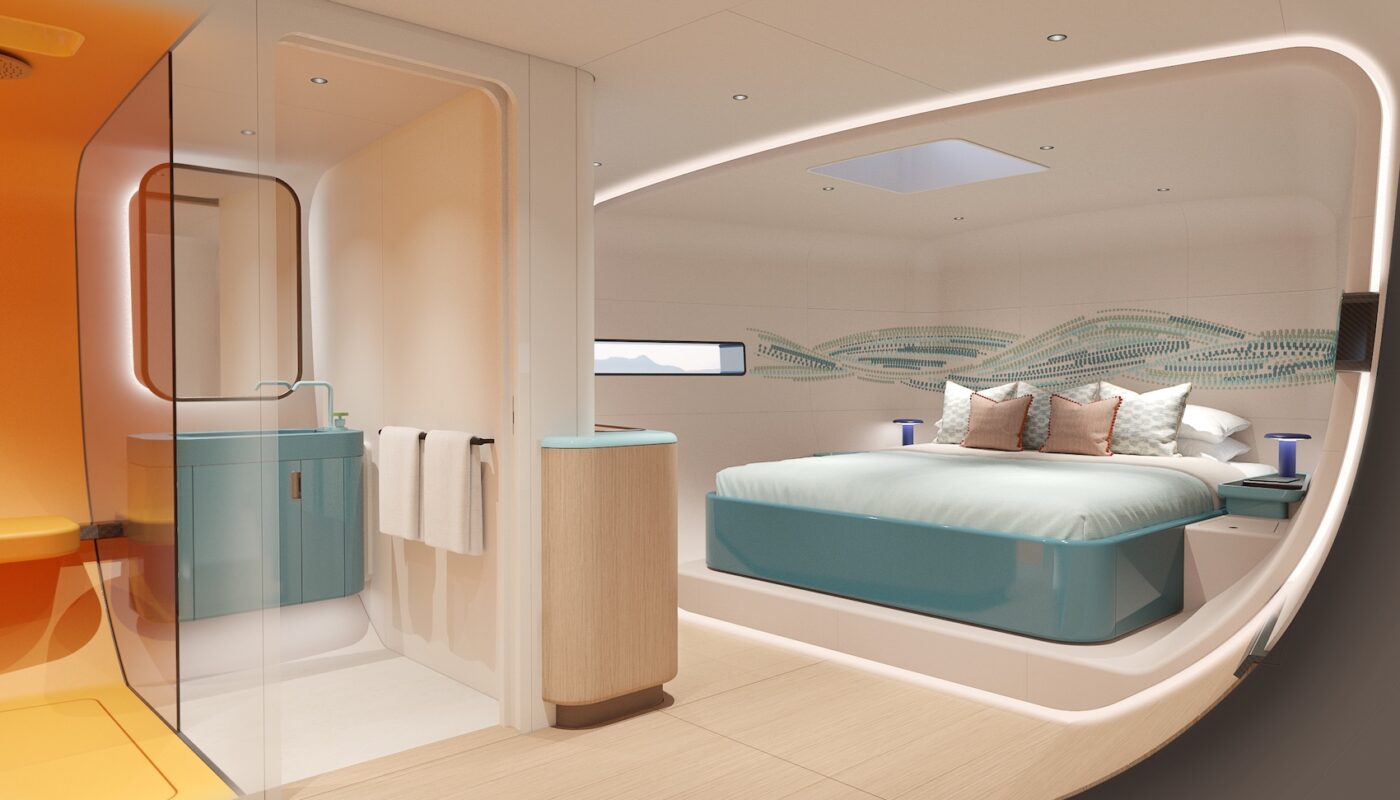
Interior designer Mark Tucker of Design Unlimited explains “It shows how safe and expressive this concept can be, and invites the next owner to take it in a completely personal direction. Ultimately, the goal is to make the simple act of sailing easier and more enjoyable“»”.
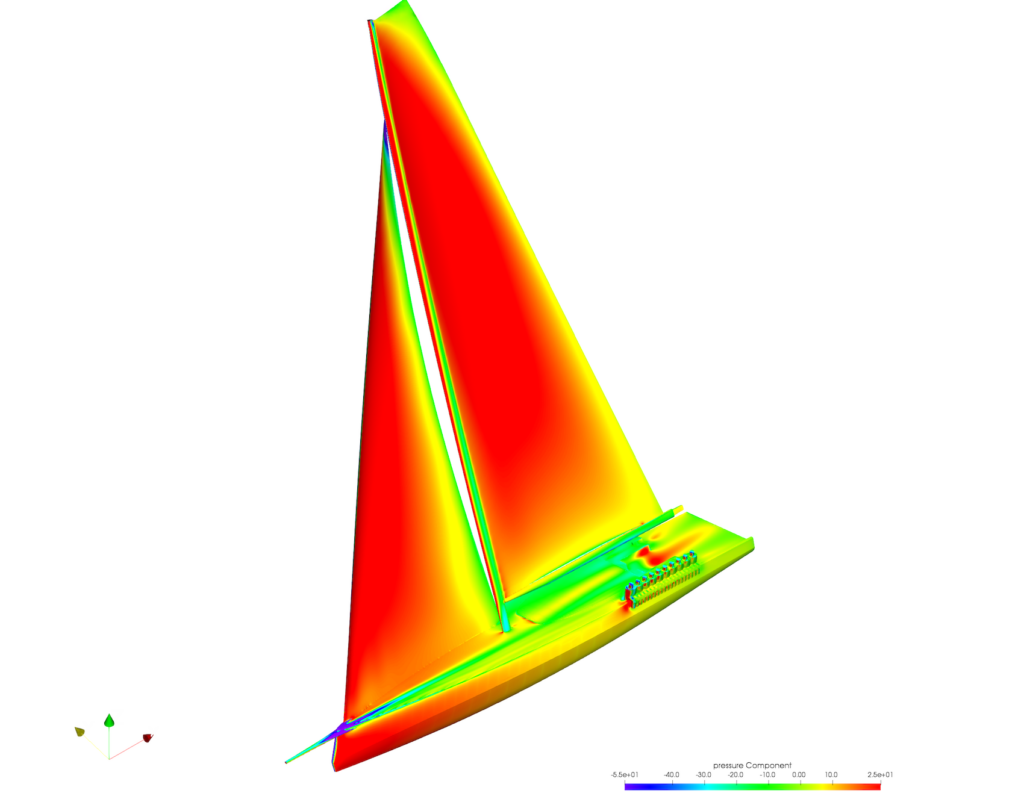
Developed by Surge Projects, the Café Racer 80 has been shaped through CFD (computational fluid dynamics) analysis combined with aerodynamic data from the virtual wind tunnel of North Sails. A total of twenty-one hull configurations were evaluated using an advanced dynamic VPP (performance prediction program), where sail trim optimization showed the yacht’s behavior.
The choice of pre-impregnated carbon (prepreg) for the hull will further reduce the lightweight. Lamination will begin in August, after the Finnish summer holidays, and delivery is expected in the summer of 2027.
Sinuous and sophisticated, the lines immediately suggest a timeless elegance destined to stand out. But behind the elegant silhouette, the fluidity of the shapes and the low profile of the deck actually hide a soul dedicated to performance and a decidedly modern technical setup.
We are talking about Ouzel, the brand new superyacht measuring 95 feet born from the collaboration between the American shipyard Rockport Marine, Marine Construction Management (MCM), Langan Design Partners for naval architecture, and Mark Whiteley Design for interior design.
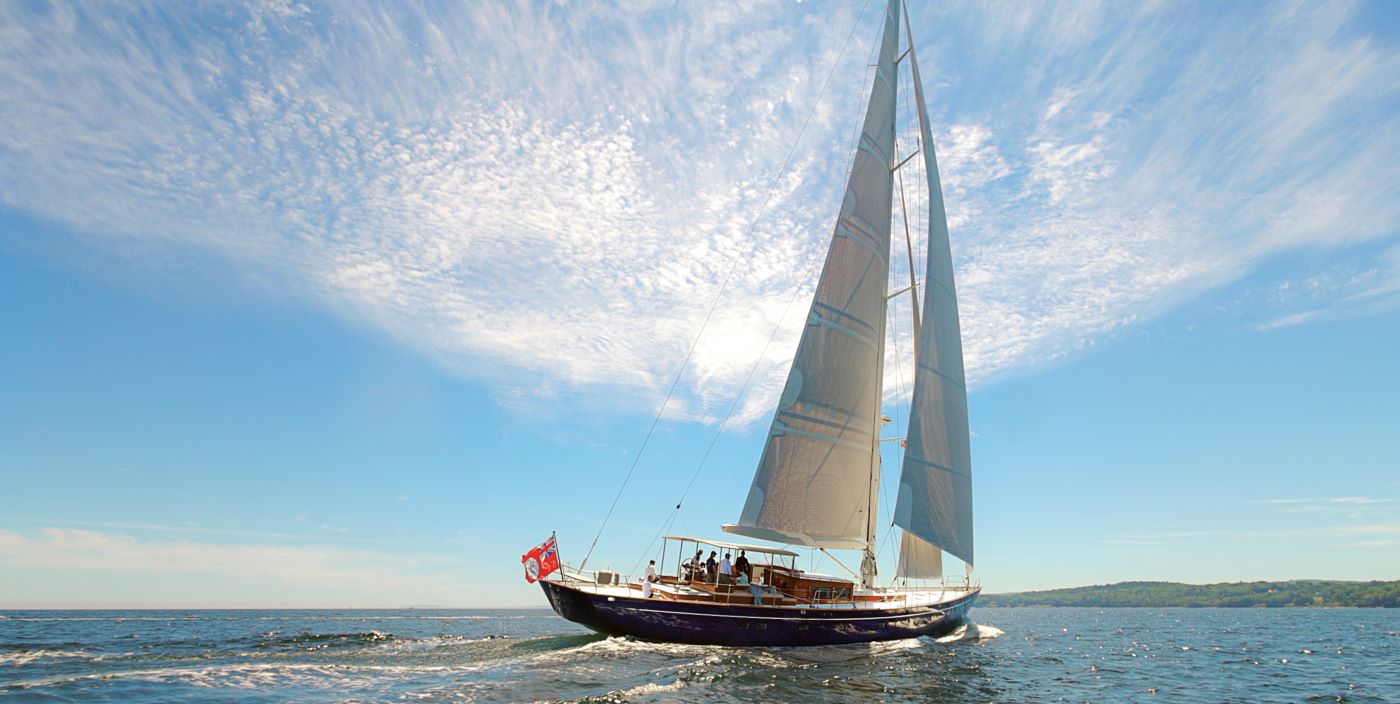
Designed as a true modern classic, Ouzel is a luxurious and comfortable sailing yacht that embodies a perfectly successful balance between traditional forms and contemporary performance with a precise and ambitious goal: to sail fast, with ease.
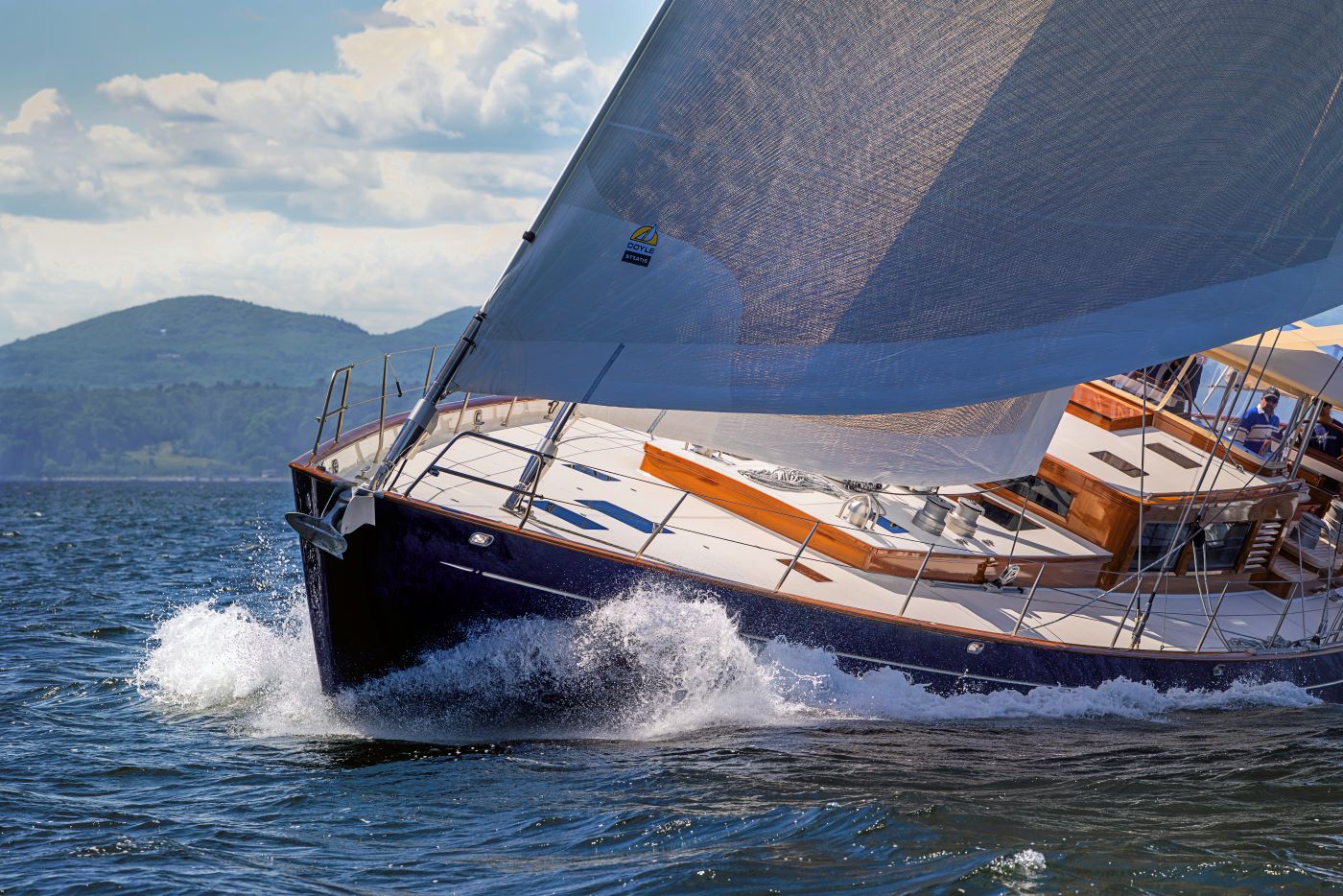
Ouzel: sea trials confirm the quality of the project
The sail plan, developed with Doyle Sails and deliberately essential — mainsail, Yankee, staysail, and Code Zero — has been designed to ensure efficiency and immediacy in every condition. Together with a deep keel and solutions like the Park Avenue boom, it defines a vessel capable of delivering real performance without compromising ease of handling.
It is therefore not surprising that during the sea trials in Penobscot Bay, Ouzel effortlessly exceeded 12 knots in moderate breezes, showing a surprising balance between power and control.
The designer Tom Degrémont, present on board, emphasized how the boat reacted exactly as the team expected: a feeling of power, immediate control, and an overall balance that fully reflects the work done during the design phase. In ideal conditions, the use of the Code Zero allowed for a quick crossing of the bay, confirming the performance objectives set from the beginning.
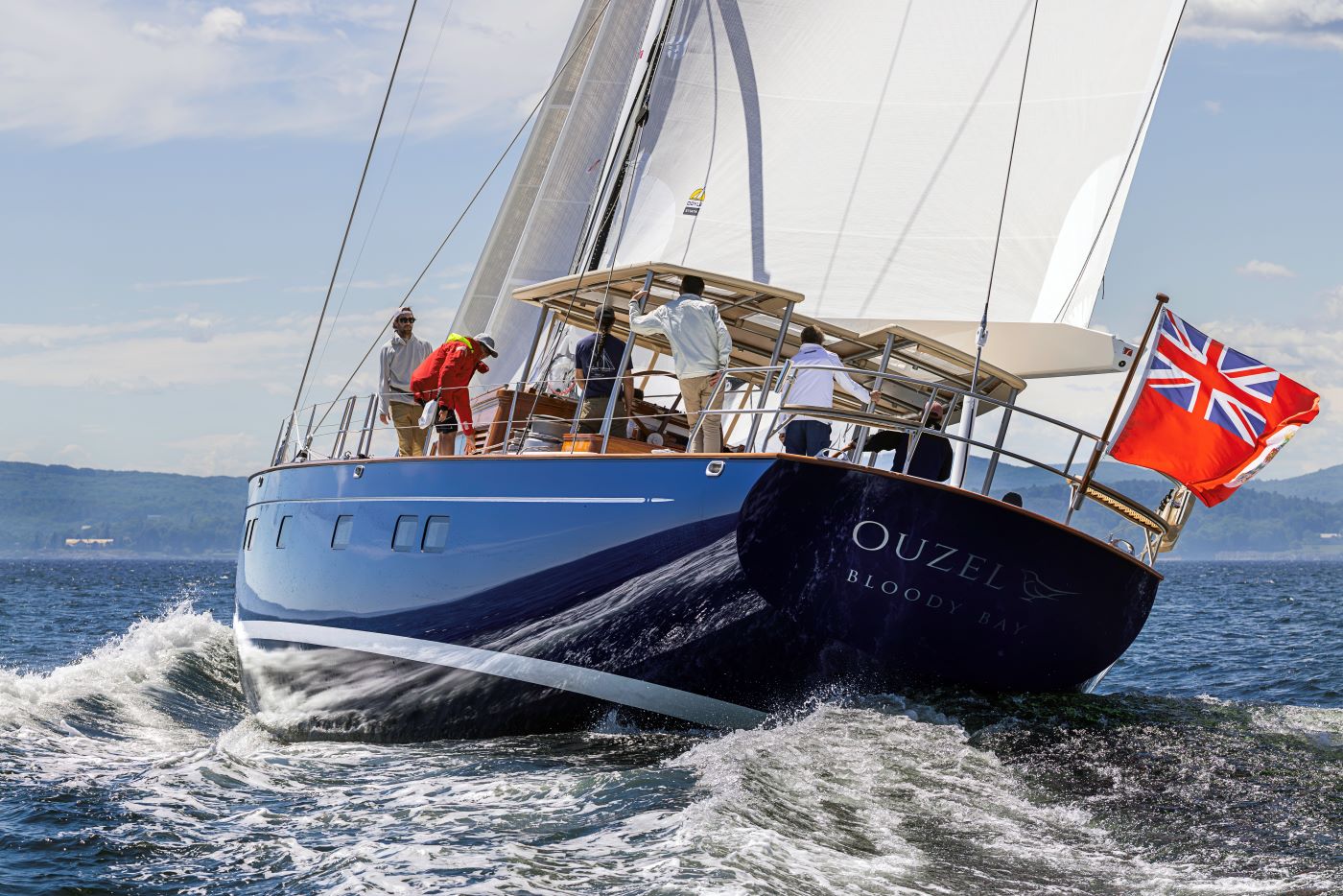
Also on the construction side, the judgment was equally positive. Peter Wilson of Marine Construction Management (MCM) described the launching of the sails as a highly significant moment after years of work, highlighting the quality of the team involved — from sailmakers to hydraulic technicians, from engineers to riggers — and defining the sea trial as a success from every point of view. The boat showed a “easy and super responsive” helm response, with only a minimal list of finishing touches, as is normal at this stage.
A key element of the project was the active role of the owner, involved as a true partner in all phases. Specifically, the owner opted for a configuration that allows for a greater draft to the benefit of performance, as well as a blade jib designed to replace the Yankee and staysail during close maneuvers or tight tacking.
Elegant and classic in form, Ouzel is not just a tribute to tradition, but a concrete evolution of it, designed to sail far, with speed, control, and a well-defined identity.
Yamaha Motor Europe becomes the official supplier of Luna Rossa for the 38th America’s Cup, a historic partnership that unites two brands sharing a sporting spirit.
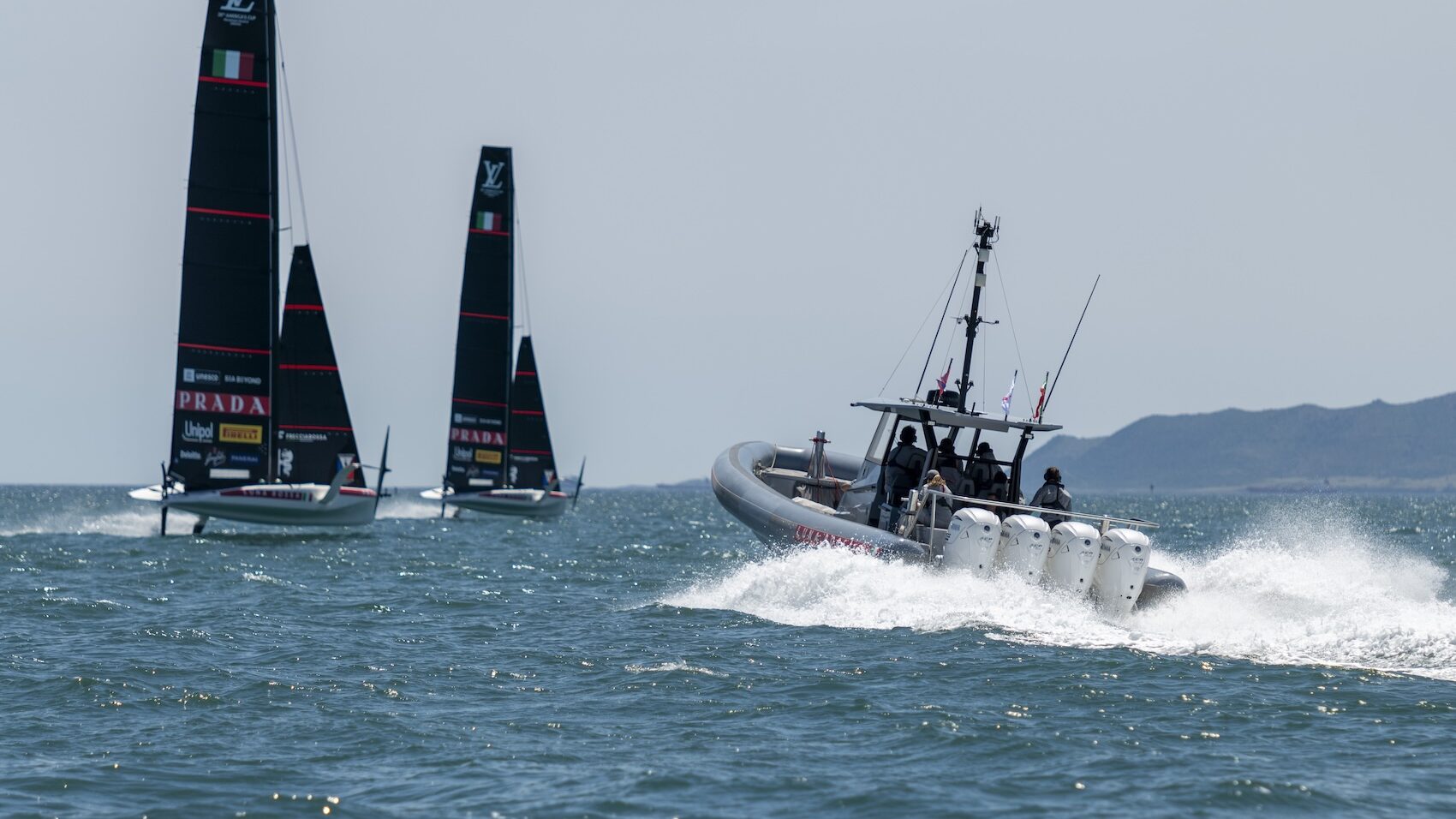
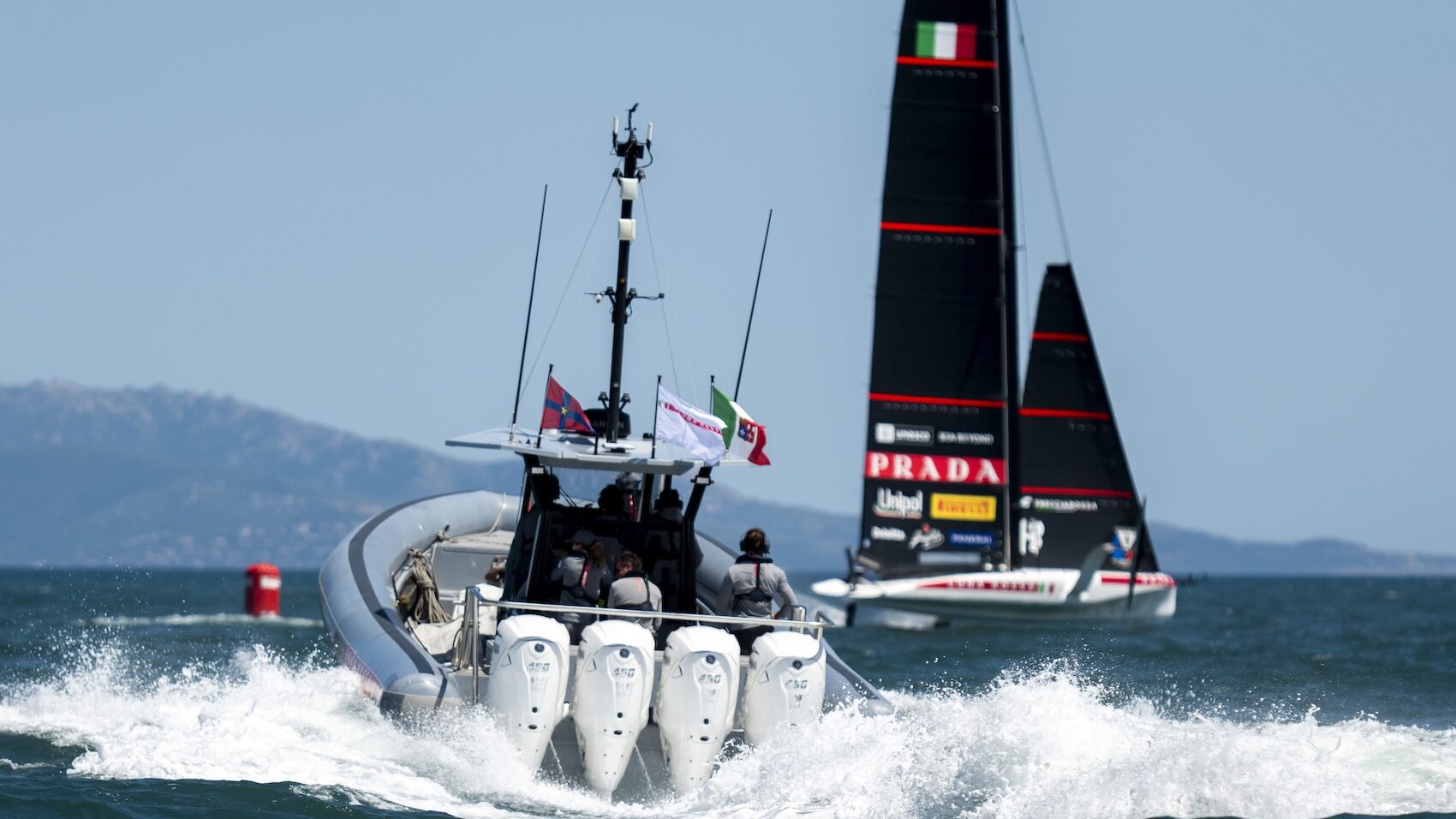
The main AC75 support fleet of the team will be powered by Yamaha and its flagship XTO V8 450 HP outboards, with three support boats: chase 1 and chase 3 with quadruple installations of XTO V8 450 HP, as well as chase 2 with a triple installation of XTO V8 450 HP. All three vessels will be equipped with Yamaha’s Helm Master EX wireless control system, allowing advanced maneuverability, smooth control, and greater operational precision for the team’s coaches and technical crew.
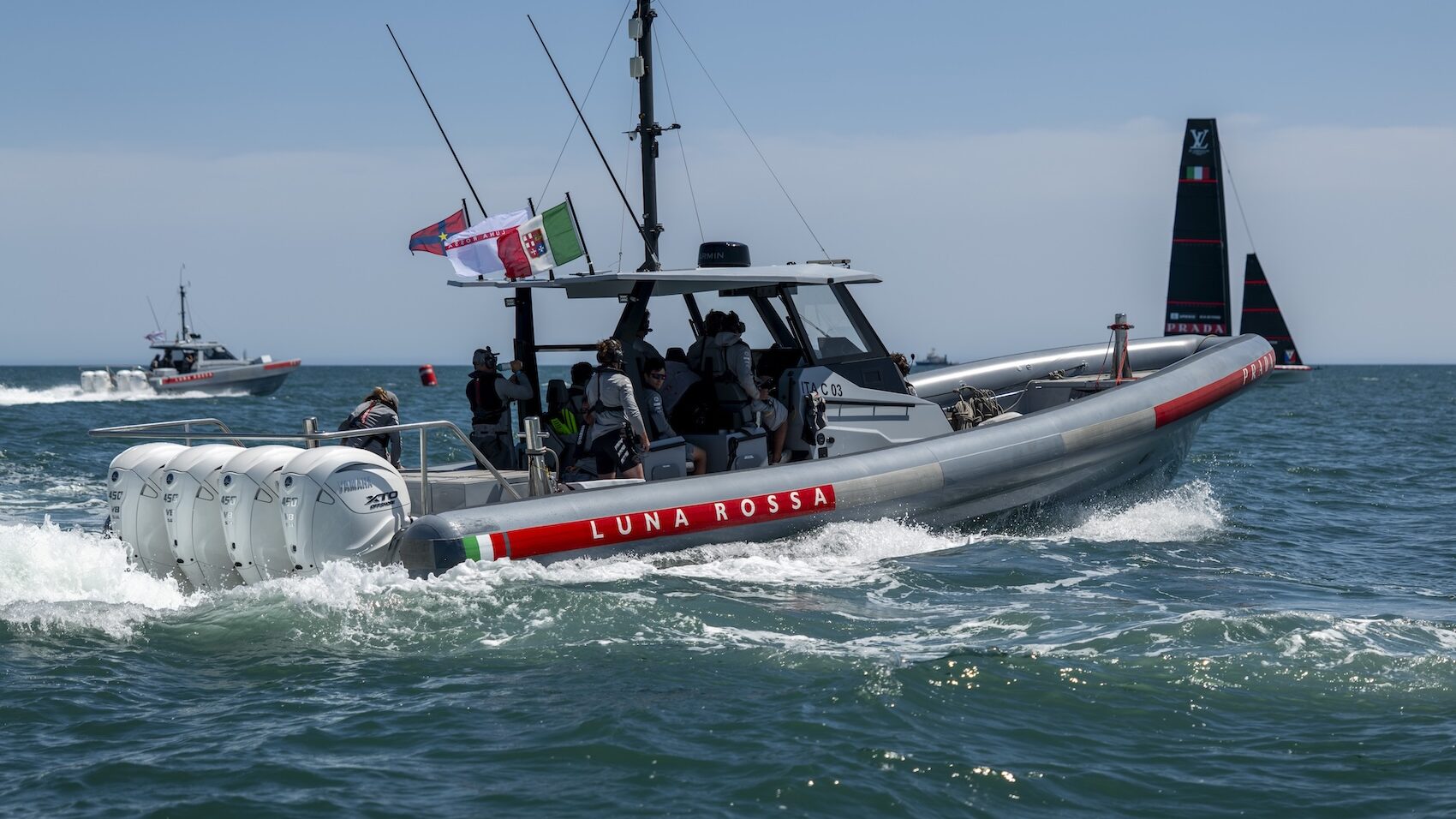
Yamaha Motor Europe partnership and technology
Yamaha will also provide two customized Ribs (chase 4 and chase 5) equipped with a pair of white V6 300 HP outboards with integrated digital electronic steering (DES) and equipped with the Helm Master EX joystick control, offering immediate control maneuverability in dynamic water conditions. Yamaha’s technology enables its partners to push boundaries, perform under pressure, and compete at the highest levels; this partnership is a sign of shared standards, a certification of quality.
“The America’s Cup represents the pinnacle of performance, innovation, and teamwork. Collaborating with Luna Rossa – a team defined by technical excellence and competitive ambition – is a significant milestone for Yamaha. Racing has always been part of Yamaha’s DNA, and this partnership is a natural extension of that legacy and passion for challenge. By empowering Luna Rossa with our technology, our systems, and our expertise, we support the team’s operations on the water and their safety.” — Fabrice Lacoume, Marine Director at Yamaha Motor Europe.
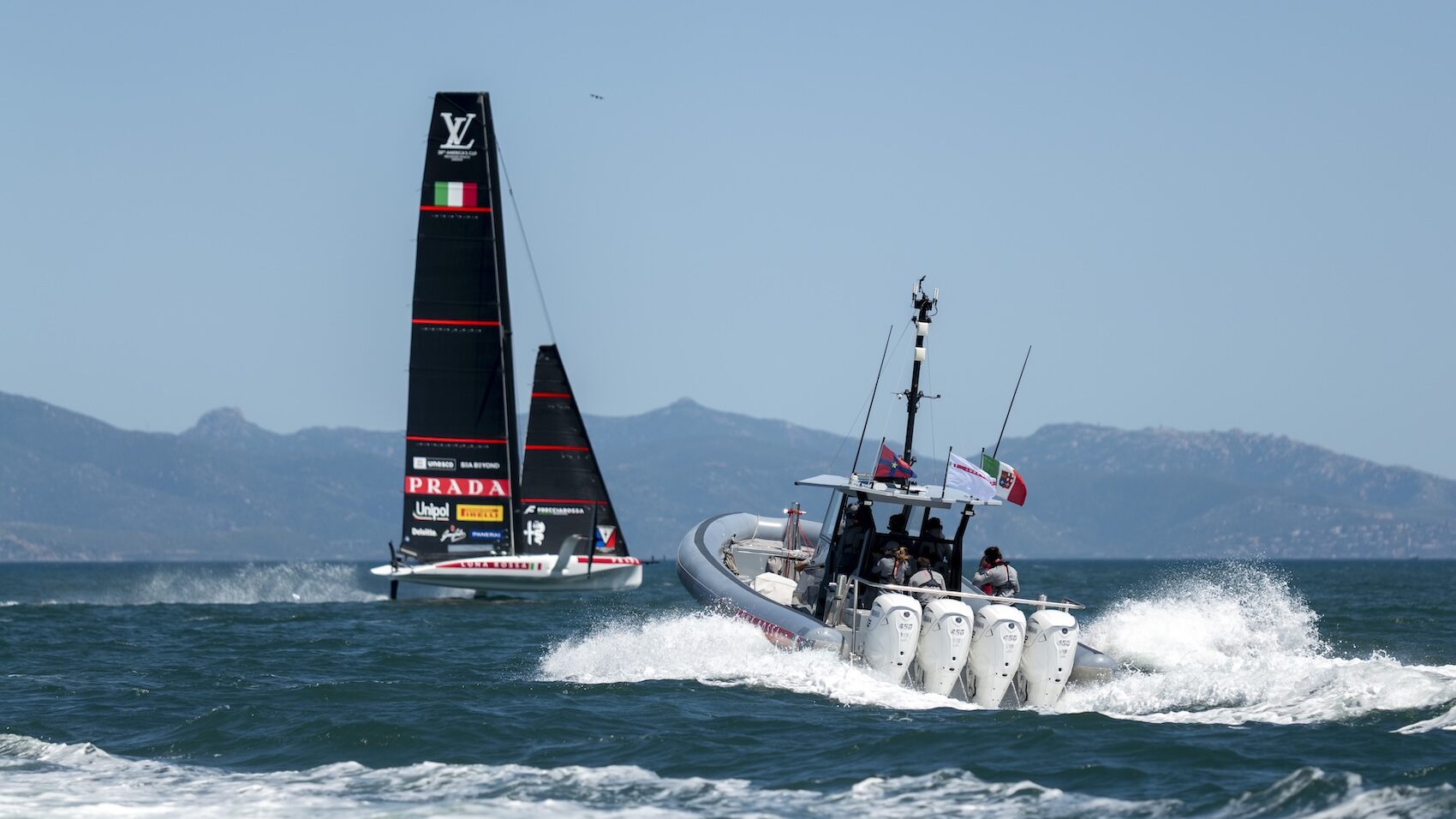
“In the America’s Cup, every detail matters, especially the reliability and precision of our support fleet. We chose Yamaha for their proven performance, advanced integration capabilities, and the confidence their engineering conveys in high-pressure environments. This partnership ensures that our support boats provide exactly what the team needs, every time we are on the water.” — Max Sirena, CEO of Luna Rossa.
Grand Trawler 63 sets a new benchmark for luxury long-range cruising, the model, heir to the great success of the Grand Trawler 62, (27 boats have been delivered) represents a new way of traveling.
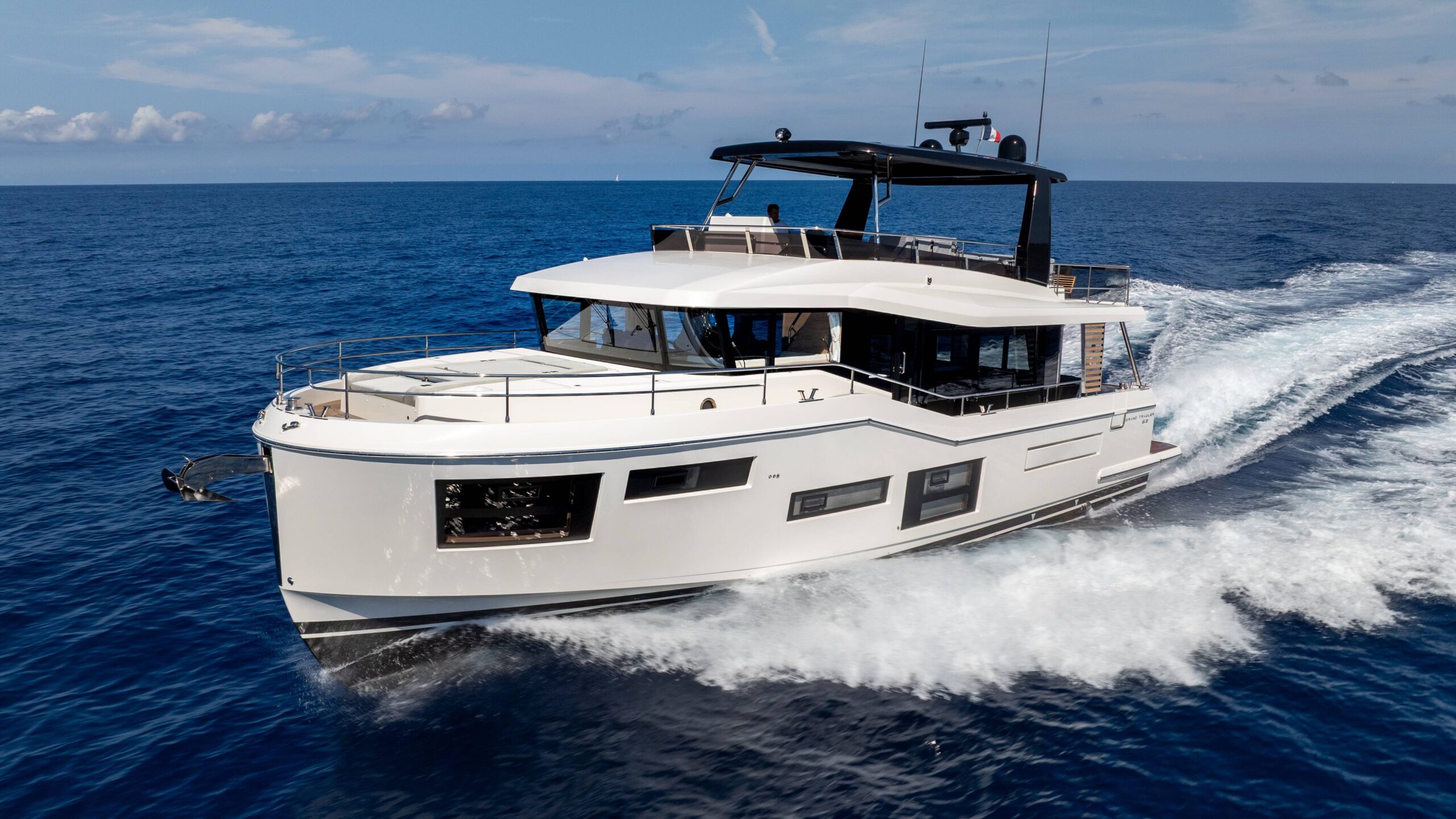
Beneteau with the new model did not want to make a simple restyling but has elevated and perfected the sailing experience, the Grand Trawler 63 introduces a series of innovations and style redefining a new style for long-range cruising. With a length of just under 19 meters, this new model maintains a displacement hull designed by the naval architecture firm MICAD which boasts great experience in optimizing onboard consumption and autonomy at sea. The Grand Trawler 63 can cruise for 1000 nautical miles at a speed of 9 knots.
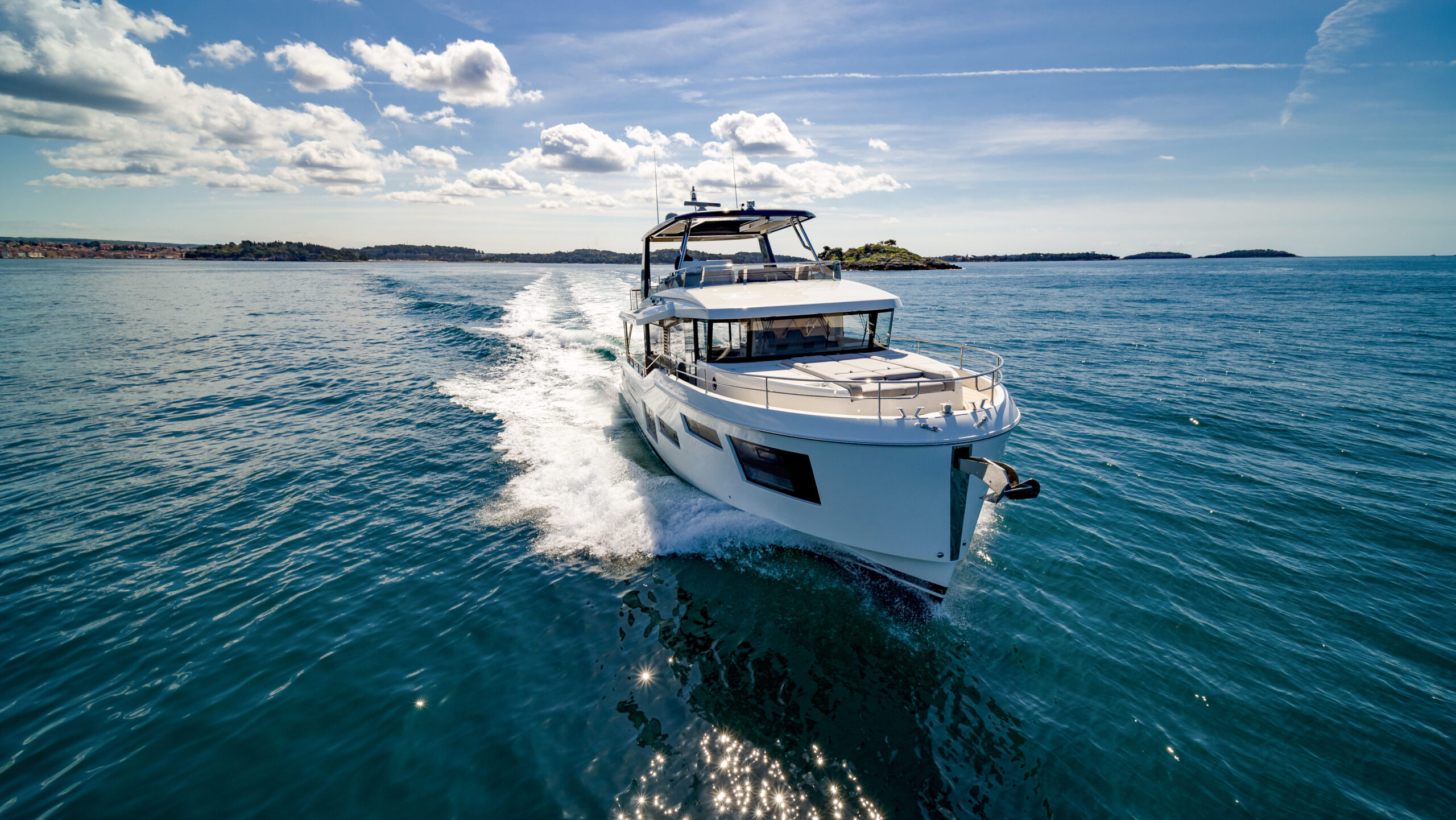
Grand Trawler 63, a renewed legacy
At the center of this transformation is the pursuit of tranquility, the Slipner fin stabilizers offer superior stability when at anchor, the new Silent Boat Pack significantly reduces ambient noise, enhanced soundproofing in the crew accommodations and engine room reinforces the feeling of comfort allowing owners and guests to live in great relaxation on board.
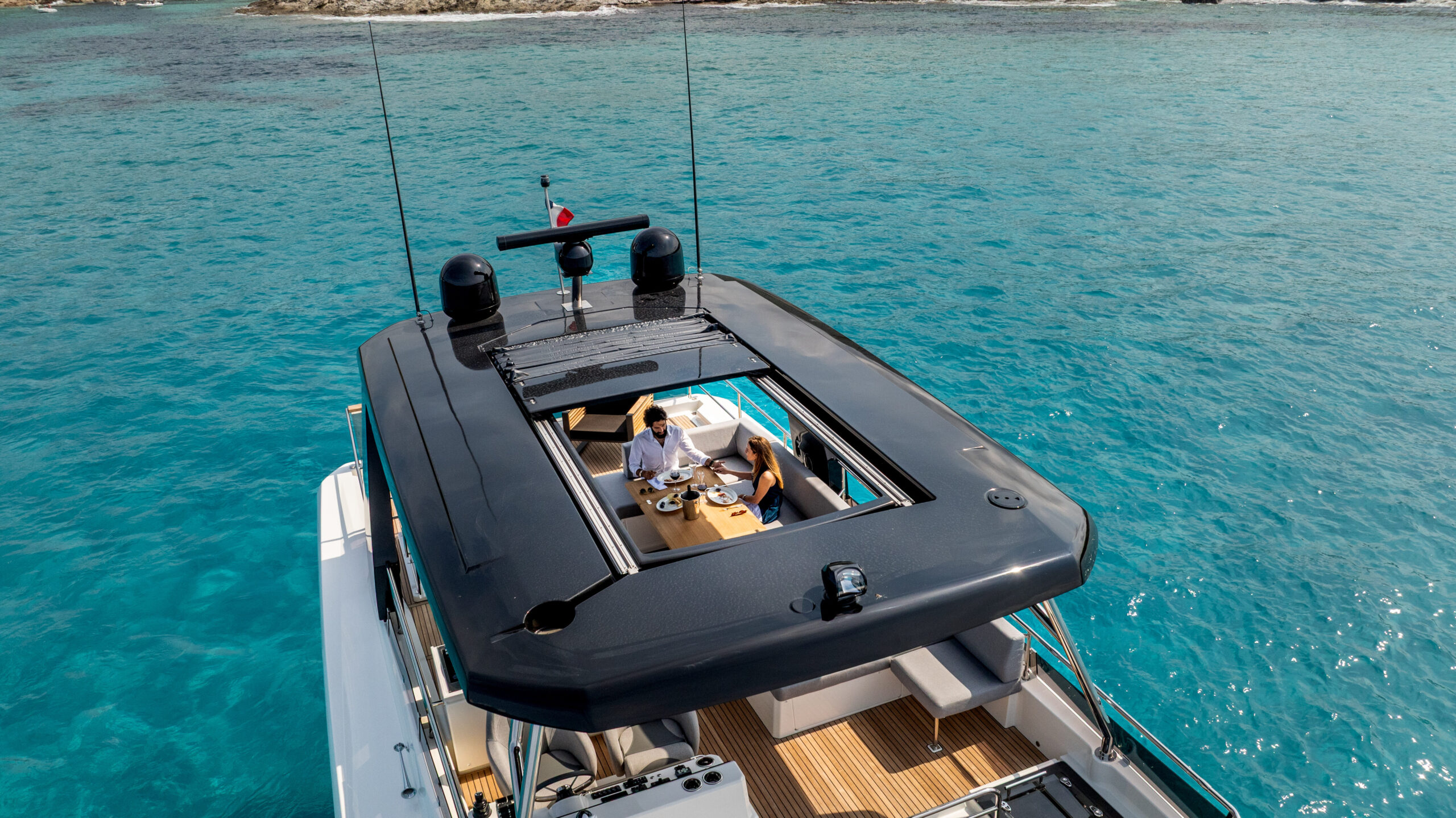
The Grand Trawler 63 (2026 version) introduces a new standard for standard equipment, included in the price are: Sleipner fins, the Luxe Pack, AGM service batteries, and a MAN spare parts kit provided as part of the base package. You can choose between three or four spacious cabins, all equipped with bathrooms. Increased storage volumes in each cabin and the introduction of innovative slatted latches for the wardrobe doors, ideal for extended cruising.
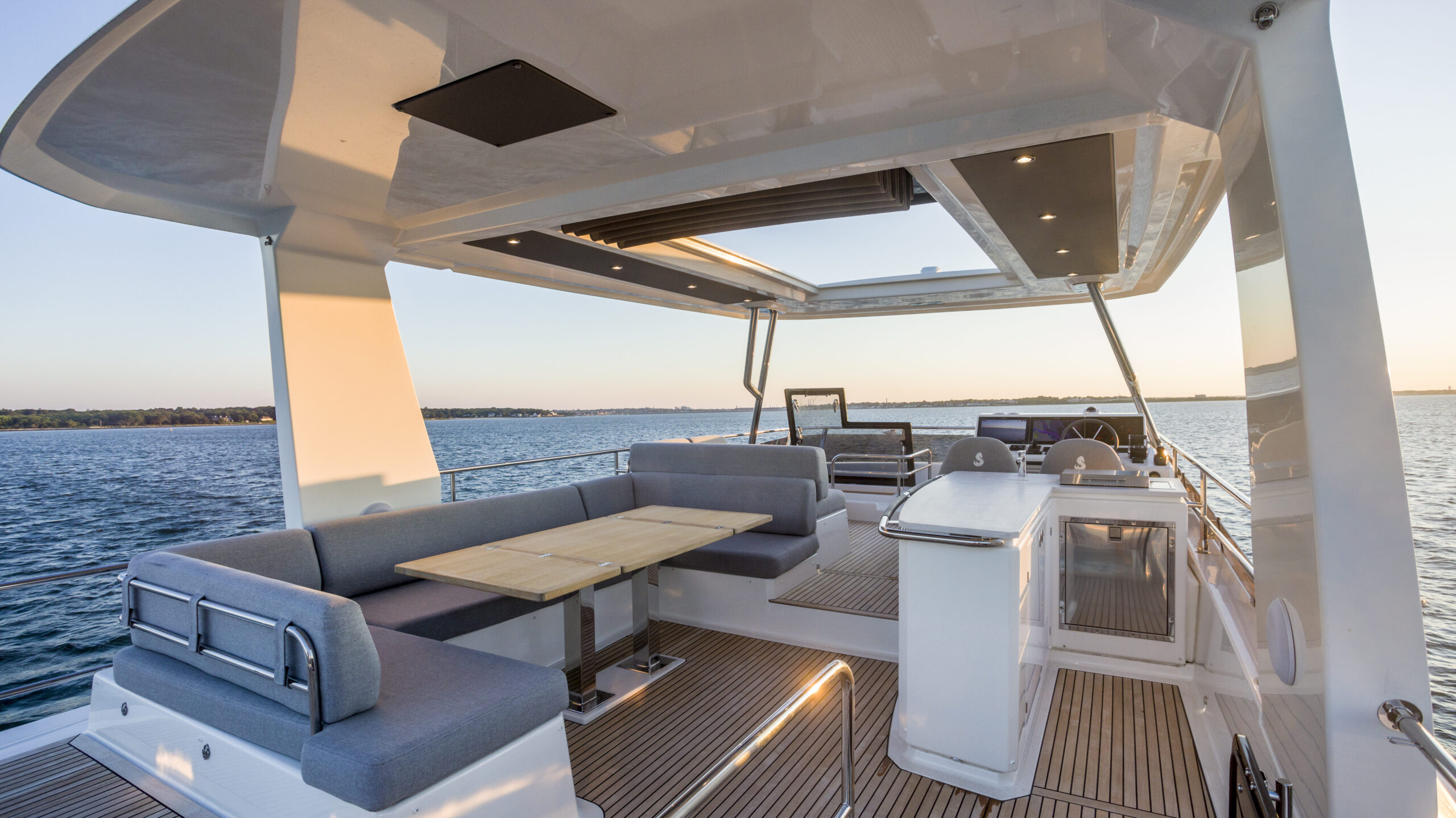
Thanks to its extraordinary autonomy, acoustic insulation technologies, and timeless design, the Grand Trawler 63 is an invitation to explore the world differently: more slowly, more deeply, more relaxing.
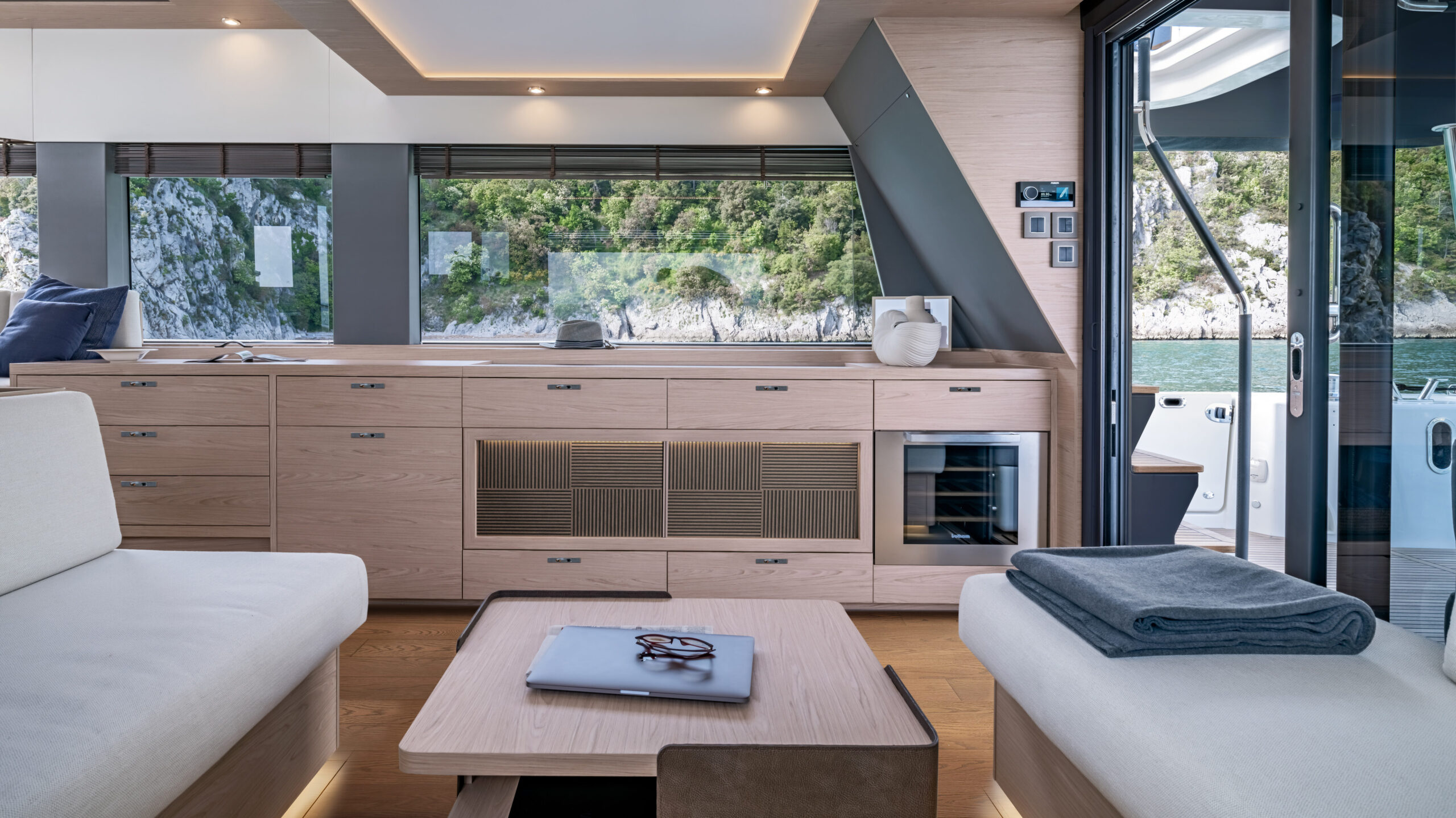
Grand Trawler 63 the interiors
While the spacious outdoor areas allow for full enjoyment of life en plein air, the interiors are no less in terms of livability and comfort. The owner’s cabin occupies the full width at the center of the boat and features a desk/vanity and a private bathroom, while the forward VIP cabin is equipped with accommodations and a private bathroom. The third cabin with single beds convertible into a double bed has a bathroom with a shower that also serves as a day toilet.
Pershing presents the Pershing GTX90, the new model joins the Sport Utility Yacht range while maintaining all the features that have ensured the success of previous designs: comfort and performance, innovation and craftsmanship, and technology.
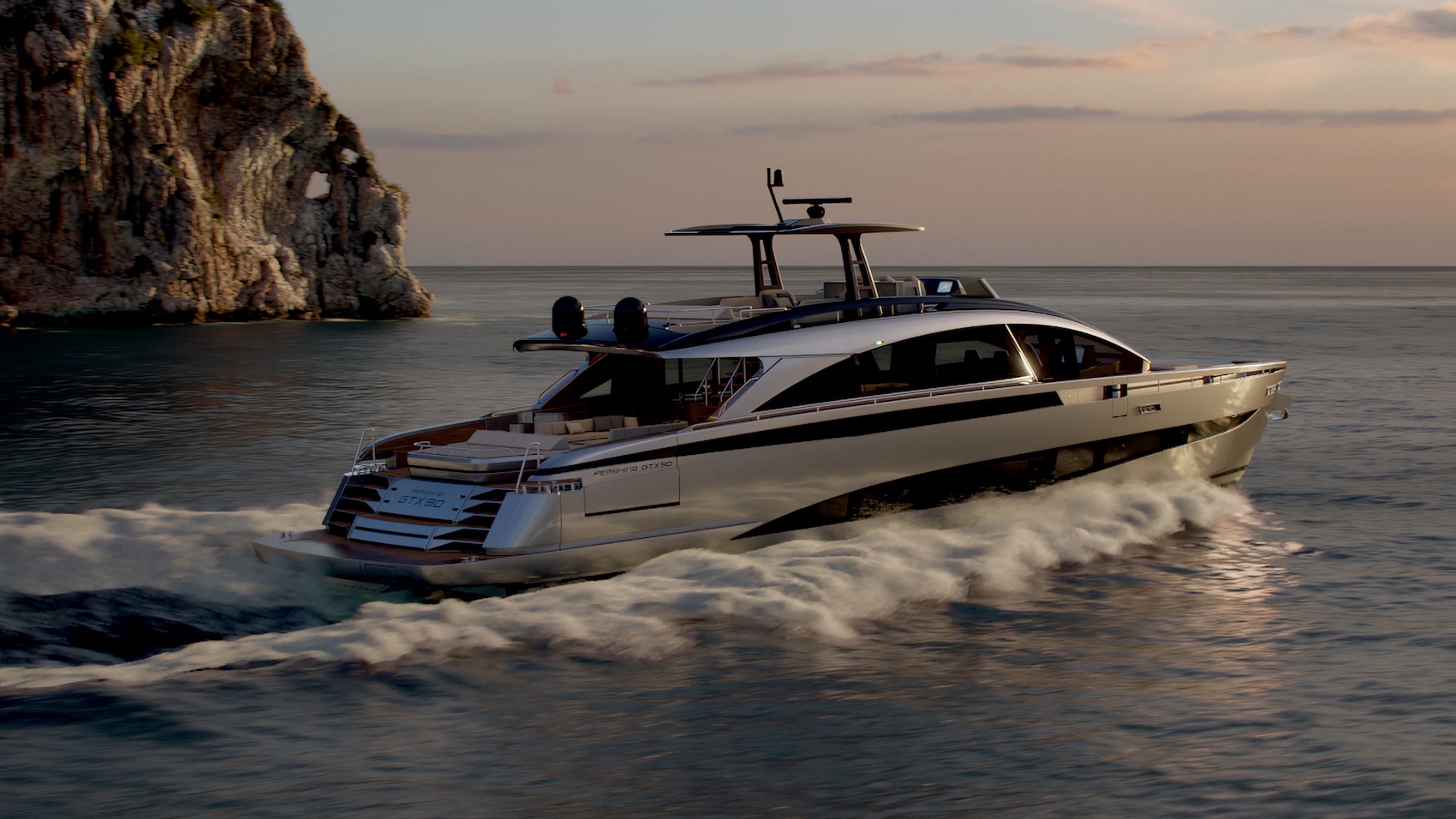
Pershing GTX90 is born from the collaboration between the design studio Vallicelli Design and the Engineering Department of the Group and is built at the Plug and Mould facility of Ferretti Group, combining cutting-edge technologies and artisanal mastery. As with previous models, the design of the Pershing GTX90 revolves around the concept of space. On the sundeck (sportsbridge), there is a surface of 33 m², which is 43% more spacious compared to the average of vessels in this category.
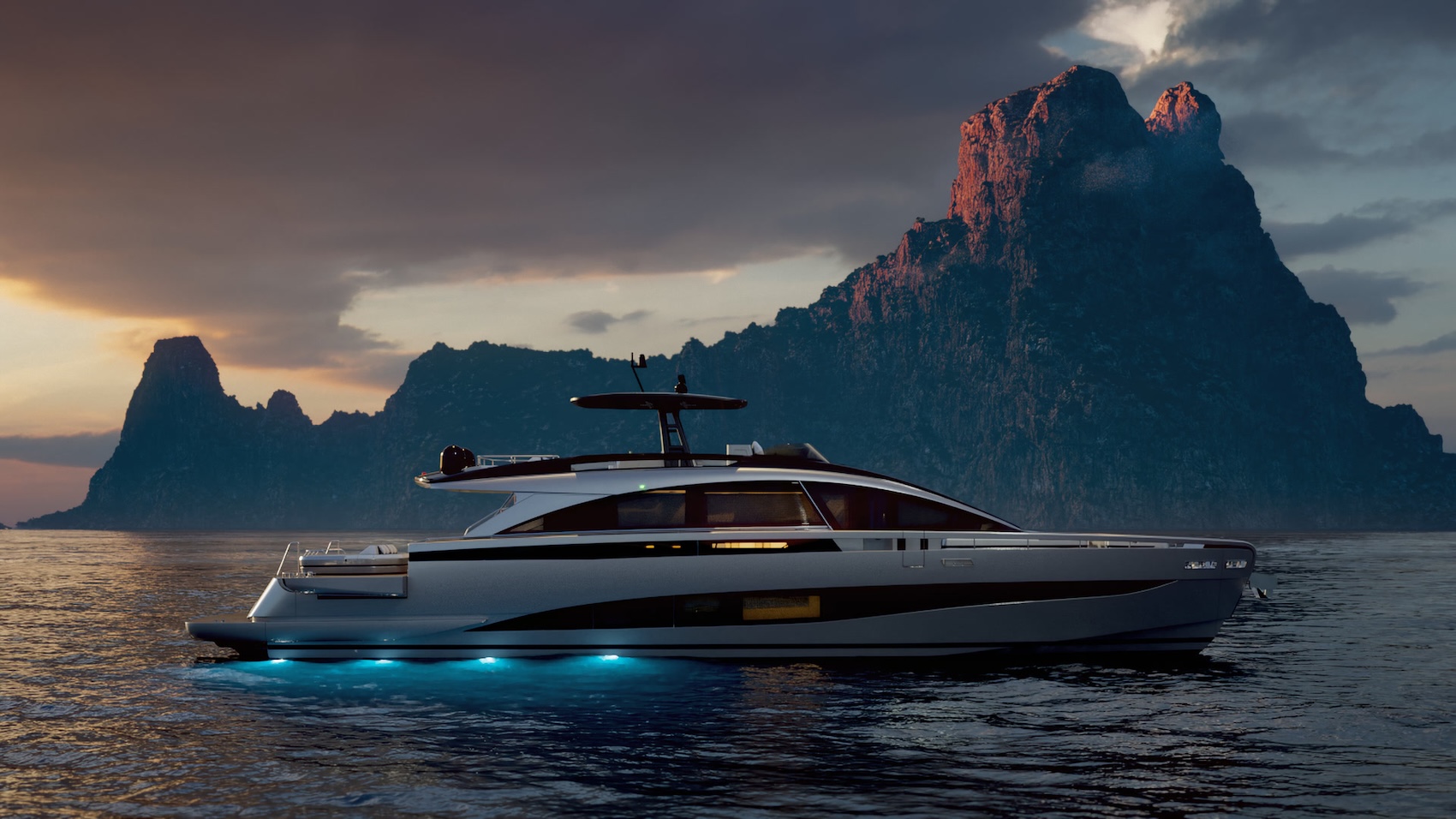
Exterior design of the Pershing GTX90
The exterior design is enhanced by the classic shade of Pershing Anniversary Silver, in line with the style that characterizes the GTX series. The almost vertical bow and the continuous and slightly convex bulwark line give the boat’s silhouette a sleek elegance and a sense of lightness, while maintaining the sporty DNA of the GTX line.
Another similarity between the new Pershing GTX90 and other models in the series is the aft area on the main deck, characterized by two foldable side terraces that open outward. Unlike previous models, the opening of the terraces is located at the maximum beam, right in the cockpit area, ensuring a total surface of 37 m². This space is completed by a practical garage, designed to accommodate a tender and a jet ski.
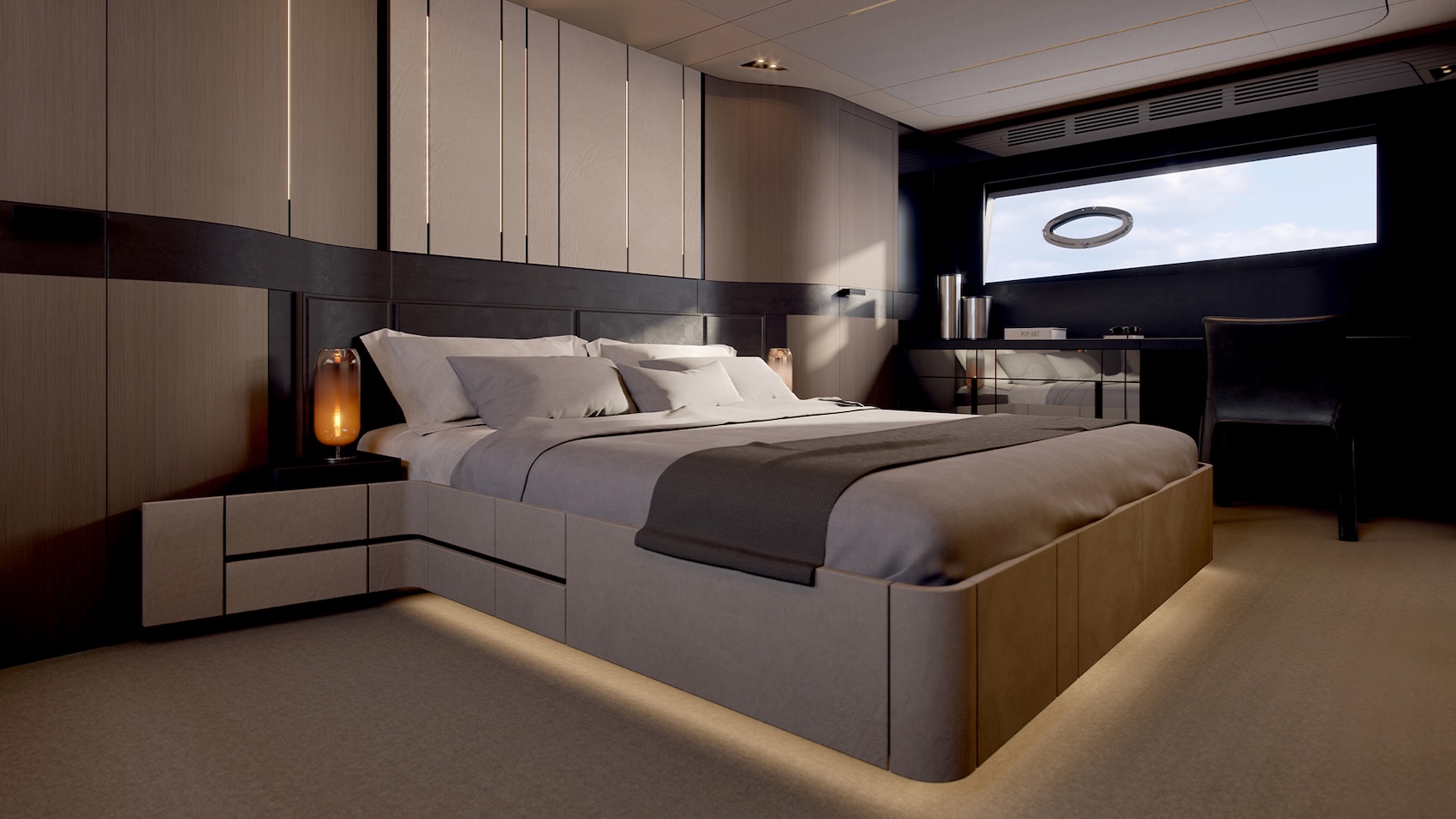
Interior design
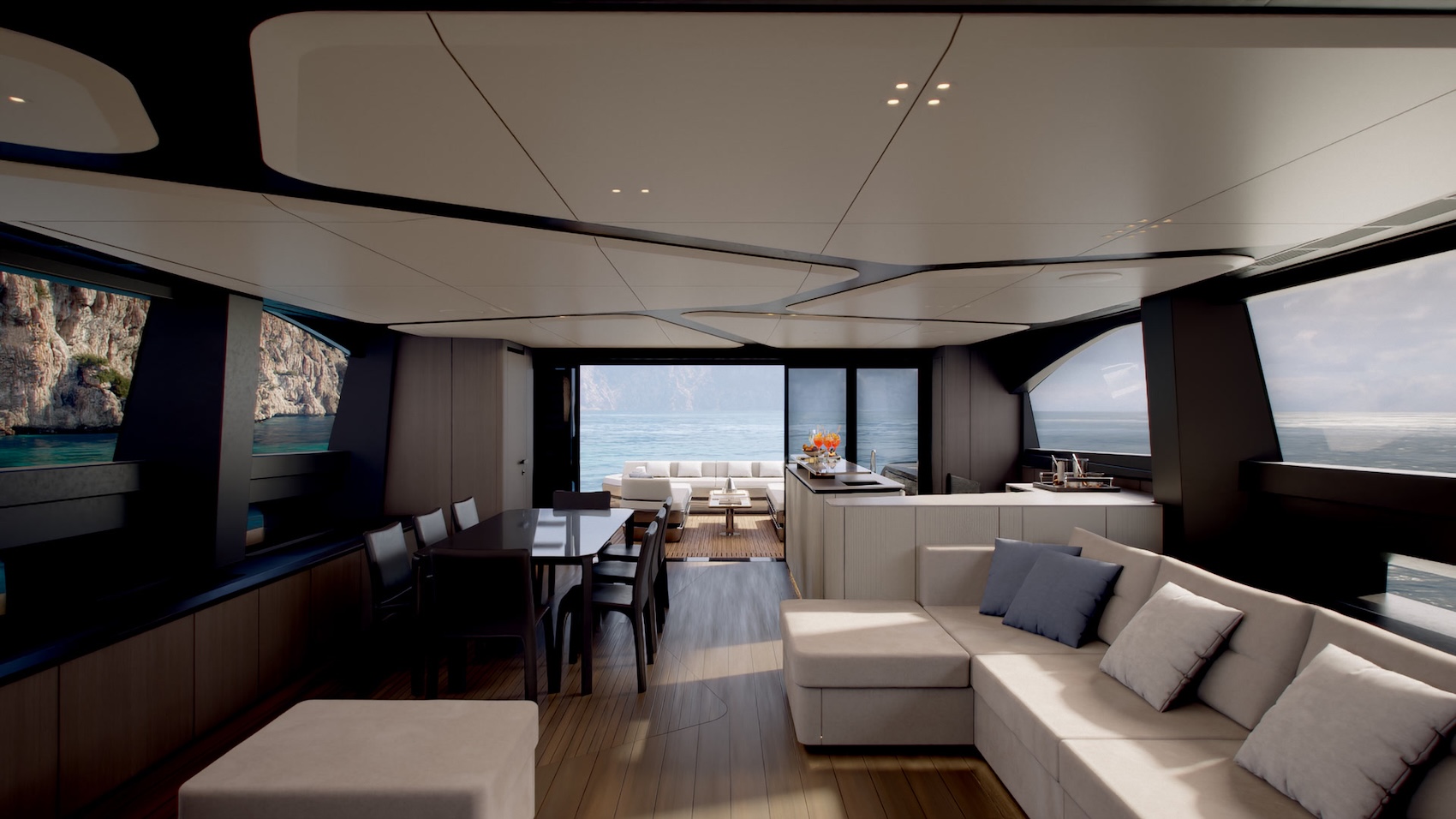
The interior design and layout stand out for their functional aesthetics and superior comfort, designed to enhance the onboard living experience of the Pershing GTX90.
Main Deck: Access is through a wide five-panel door (one fixed and four opening), creating a unique and continuous environment between indoors and outdoors. The salon offers generous spaces. Aft, on the left side, there is an open kitchen enhanced by a highly elegant bar counter, while on the opposite side, the formal dining table can accommodate up to eight guests.
Lounge and Helm Area: The lounge area in the center of the boat is furnished with a large L-shaped sofa, which can be replaced by two separate sofas upon request. The helm station, at the bow of the main deck, is equipped with three comfortable armchairs and a double access to the side walkways, facilitating maneuvers and movement.
Lower Deck: The Pershing GTX90 features four cabins with four private bathrooms, the owner’s suite spans the full beam and is located in the center of the boat, while the VIP cabin is positioned at the bow. Completing the layout are two guest cabins, one with a double bed and the other with two single beds.
Sportsbridge: The spacious sports bridge is divided into three distinct areas: the sunbathing area at the stern, a dining area in the center of the boat protected by a generously sized hardtop, and the central helm station at the bow.
Propulsion and technology
Two MAN V12 2200 engines with 2,200 HP each, paired with two Castoldi TurboDrive 600 HCT waterjets propel the yacht to a maximum speed of 35 knots and a cruising speed of 30 knots (preliminary data).
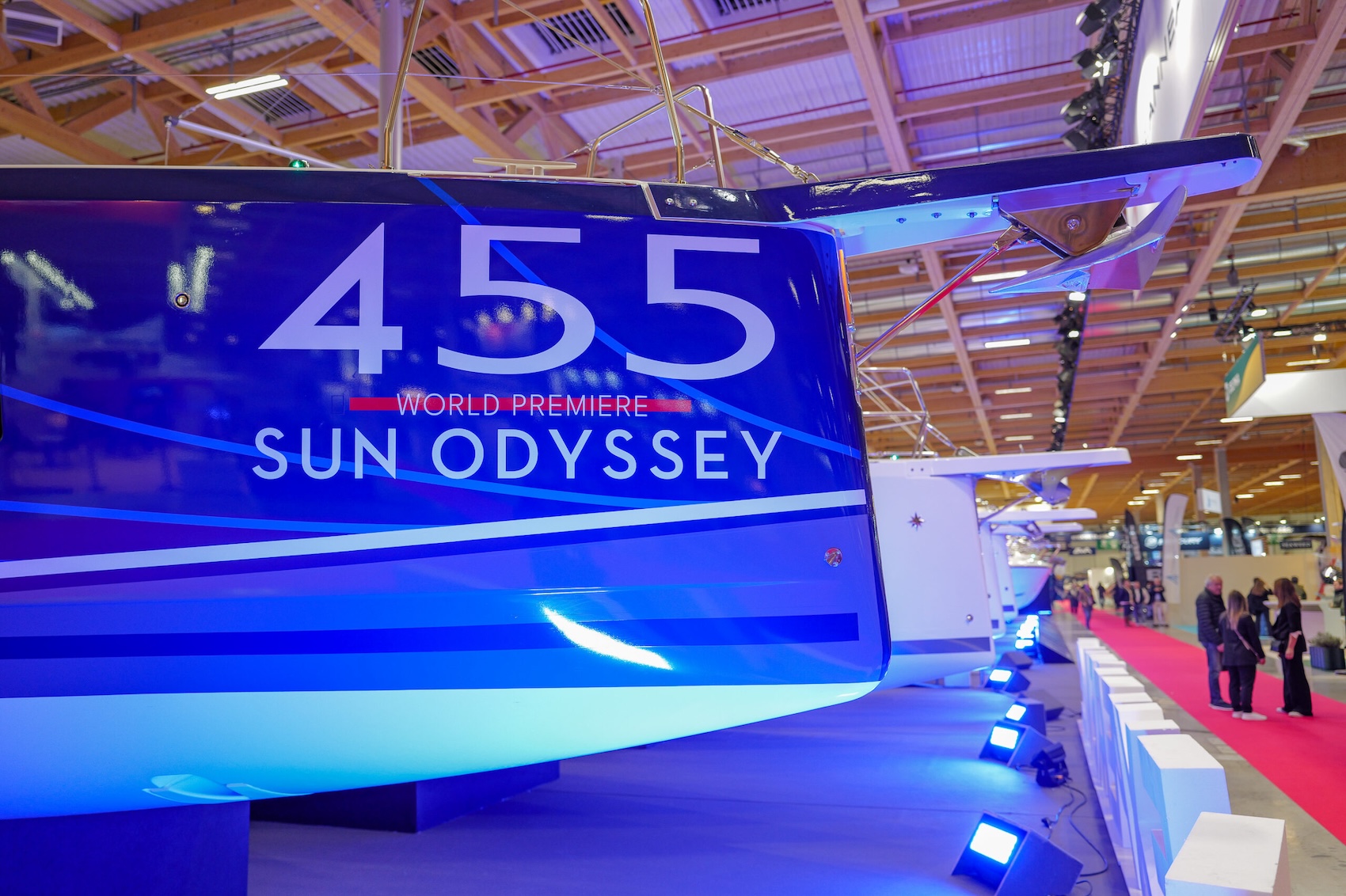
Sun Odyssey 455, with the second model of the new generation, Jeanneau reaffirms its ambition: to offer much more than a sailing boat, a true benchmark for making miles. More than a boat, it is an invitation to travel, a promise of freedom and distant horizons. Presented at the Düsseldorf 2026 boat show, it immediately attracted great attention for its features.
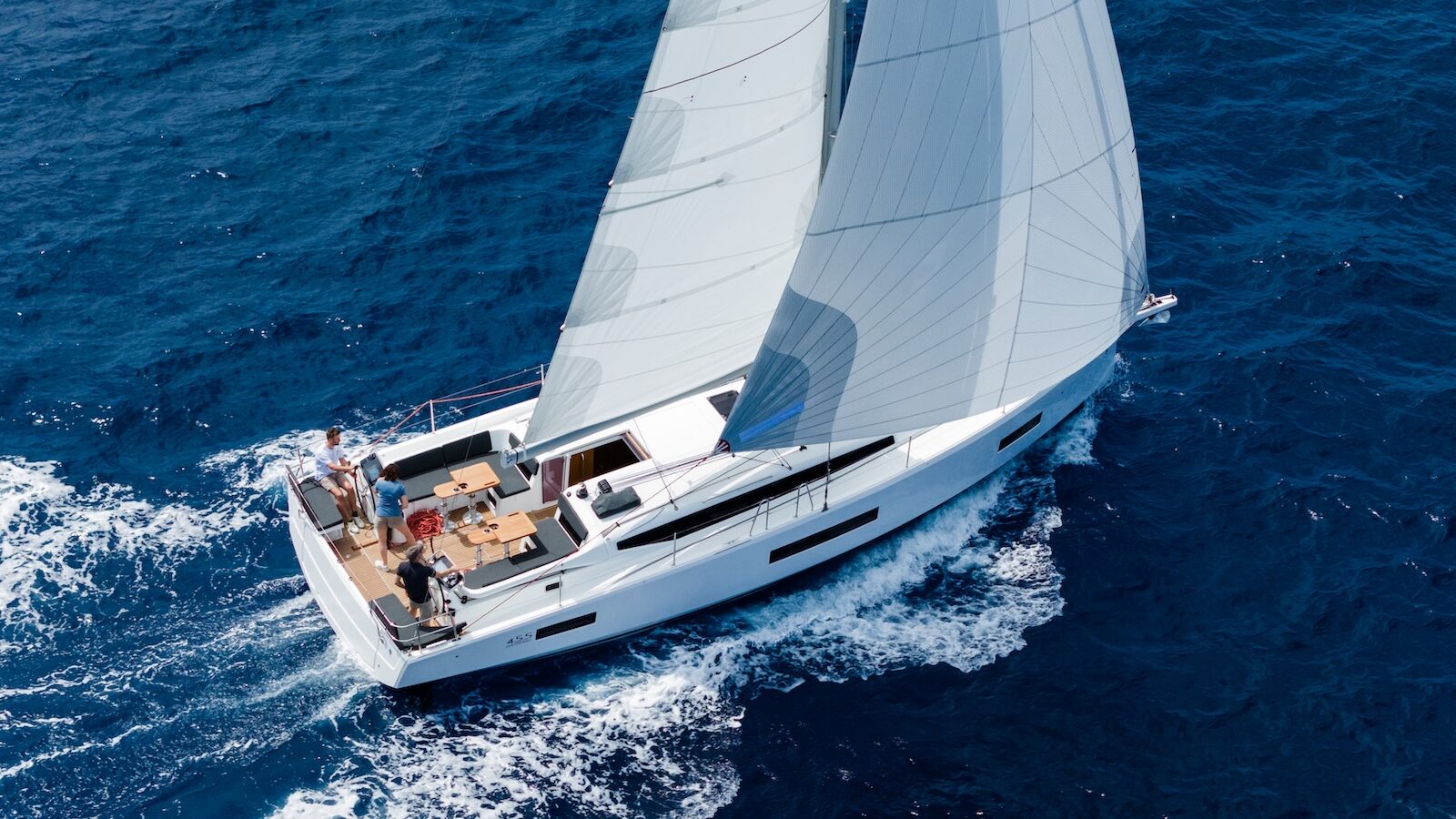
This sailing yacht combines sophistication and simplicity, performance and pleasure of sailing. Easy and intuitive to handle for long voyages, the walk-around passage allows for easy access from bow to stern; the cockpit spaces, comparable to those of larger models, encourage sharing moments of great conviviality with family or friends.
These are the main aspects that coexist thanks to the design by Marc Lombard for the hull and external lines in collaboration with Jean-Marc Piaton (Piaton Yacht Design), who designed the interiors combining innovation and sophistication.
Marine and modern exterior of the new Sun Odyssey 455
A deck designed to simplify the life of the “sailor” with maneuvers led back to the cockpit, German mainsheet, and two winches near the two helms for sail adjustment. At the stern, there are two large seats for excellent comfort during navigation. The walk-around passages make it much easier to go to the bow, greatly increasing safety on board, especially when sailing in rough seas.
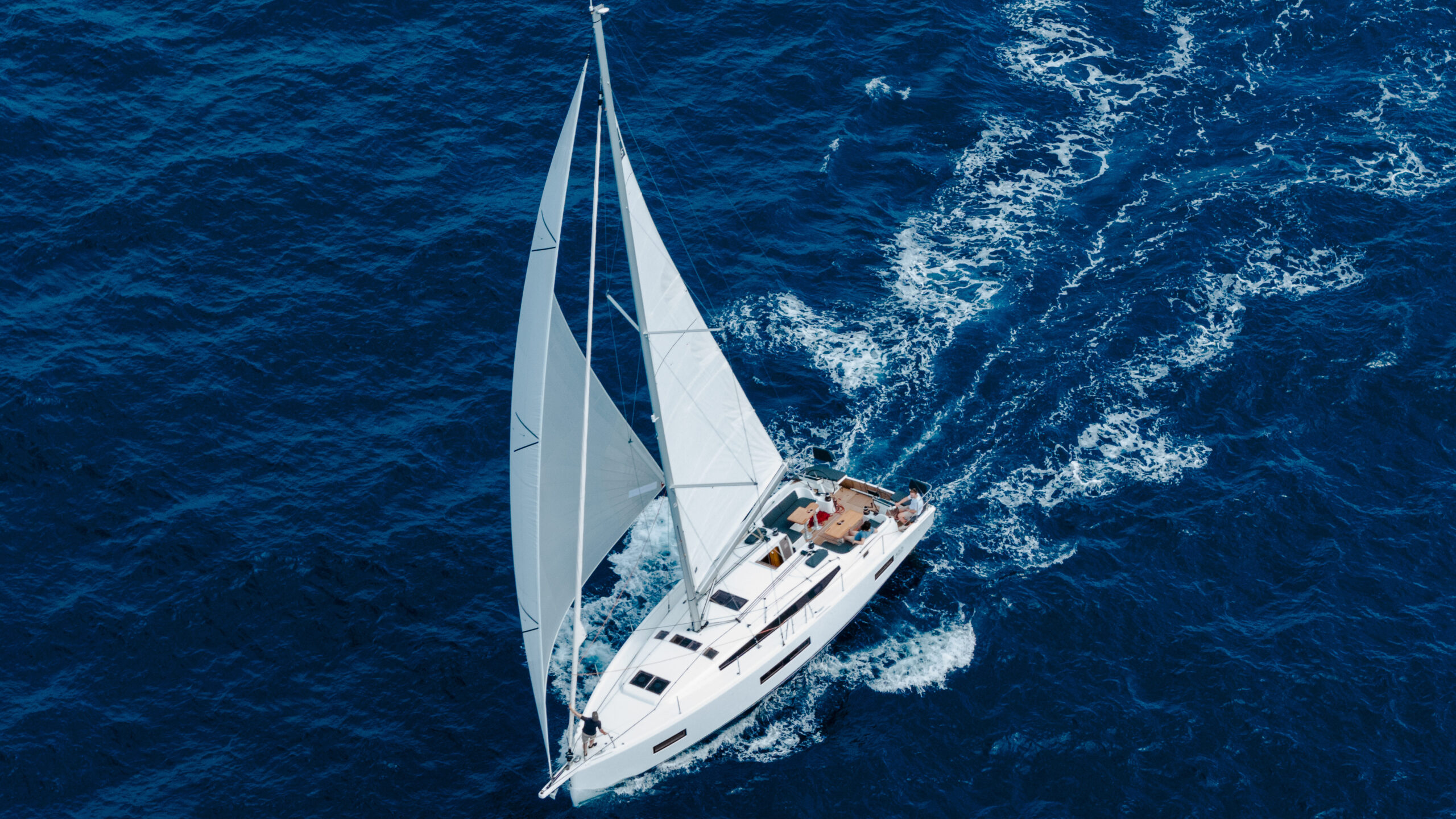
Thanks to its generous dimensions, the cockpit is a true open-air lounge; equipped with two extendable and lowerable tables that can become excellent sunbathing areas, a true space for relaxation and conviviality.
Elegant and ergonomic interiors
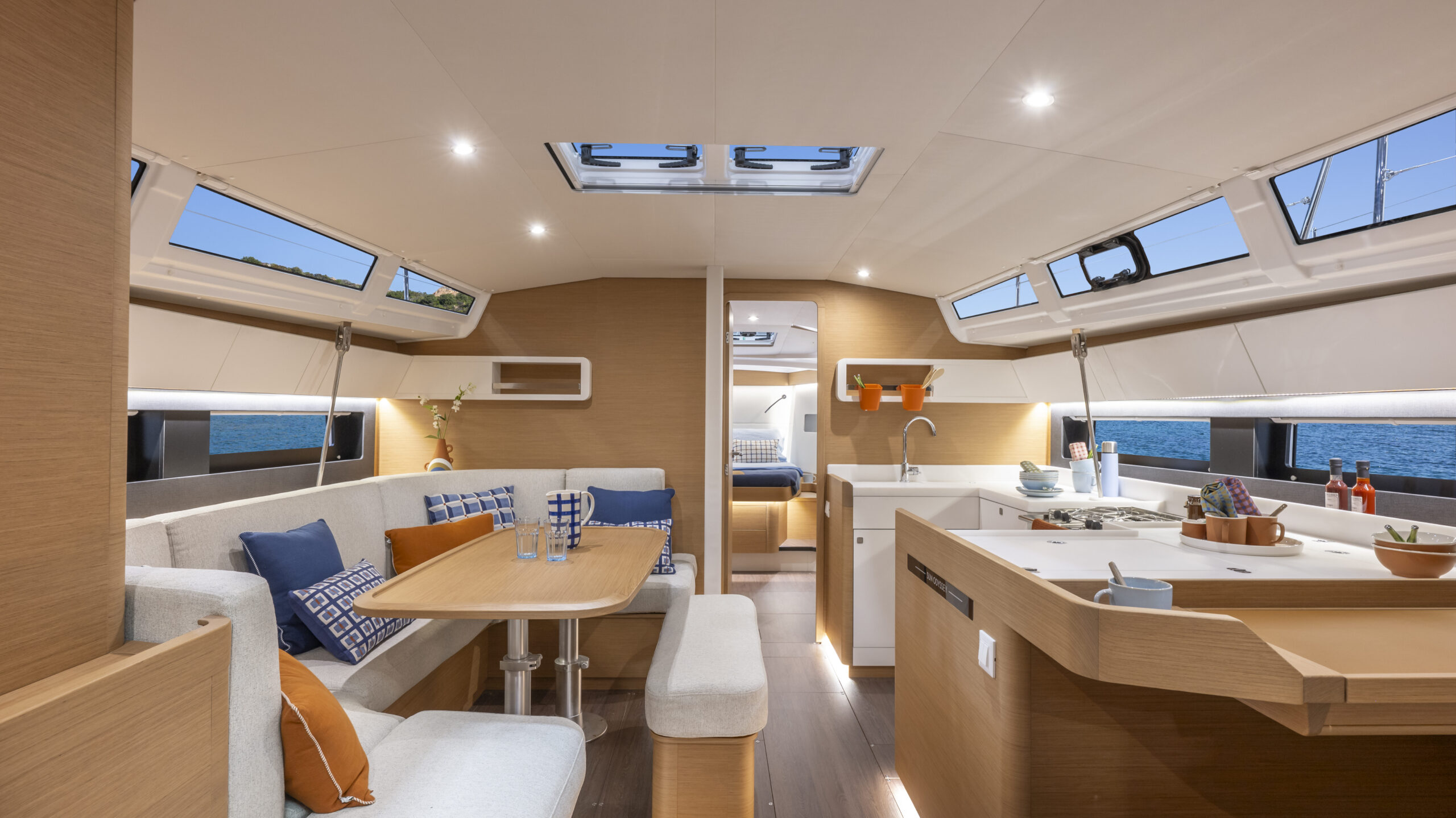
With the design chosen by the Jeanneau shipyard for the interiors, there is a clear intention to combine comfort and ergonomics. Entering below deck on our starboard side, there is a large chart table with seating, which can transform into a comfortable armchair with a headrest, useful for night watch shifts. On the starboard side, a U-shaped galley, opposite a large table that allows 8-10 people to dine comfortably. Large hatches and wide side windows provide plenty of light to this space, making it pleasant even when one is forced, due to bad weather, to live on the boat below deck.
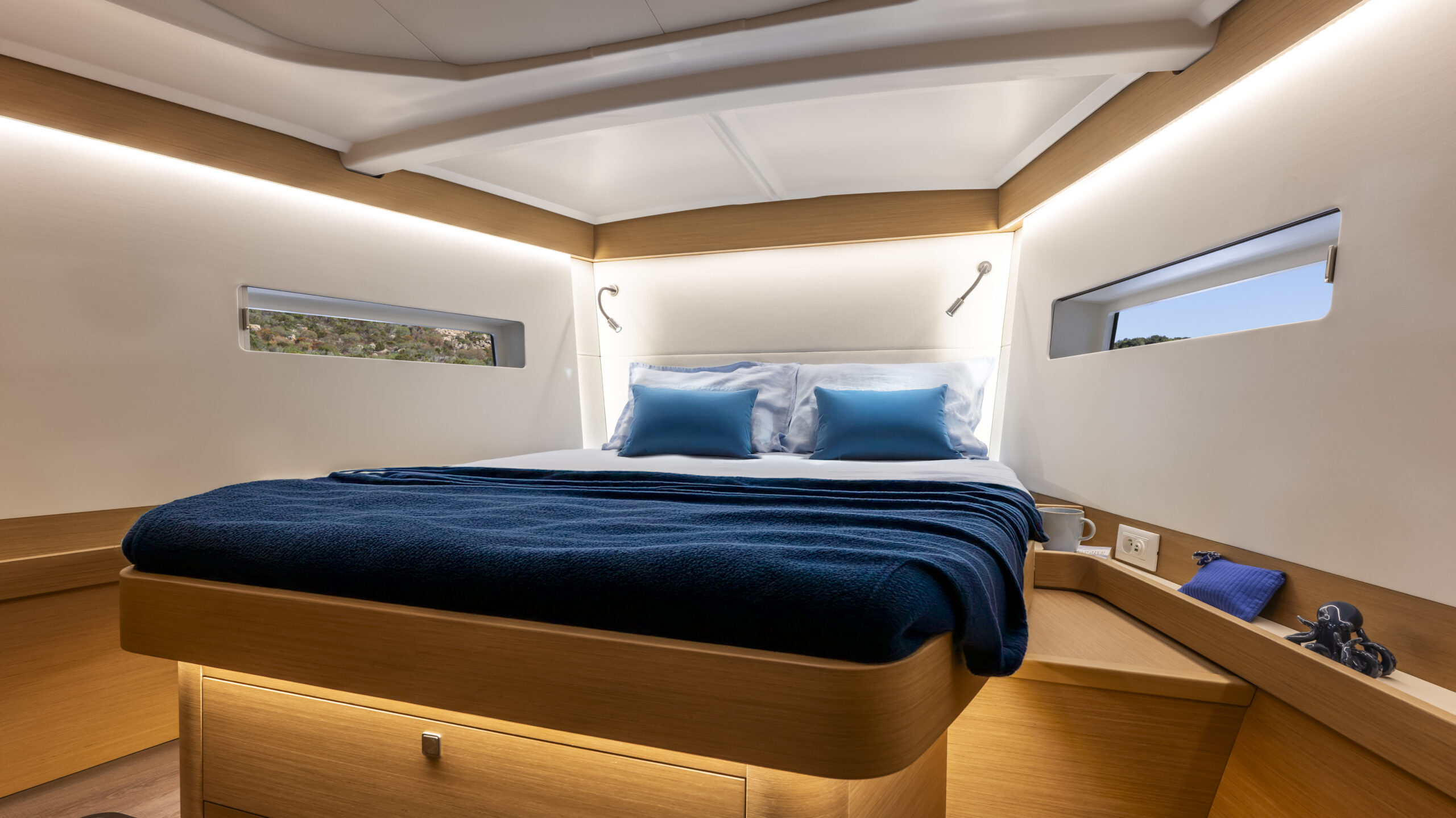
The large owner’s cabin at the bow highlights the elegance and functionality sought in this model by the Jeanneau shipyard: a maxi-sized bed with ample passage around it, a dedicated bathroom with a separate shower, generous wardrobe on the right side, and drawers under the bed, these are some of the distinctive features of this Sun Odyssey 455.
Sail plan and Engine options of the Sun Odyssey 455
The standard version of this Sun Odyssey 455 is rigged with mainsail and genoa for a total of 103 square meters of sail area, but it can be rigged with a self-tacking jib for safe sailing with a reduced crew; two wheels and two rudders allow for precise navigation management even with large angles of heel.
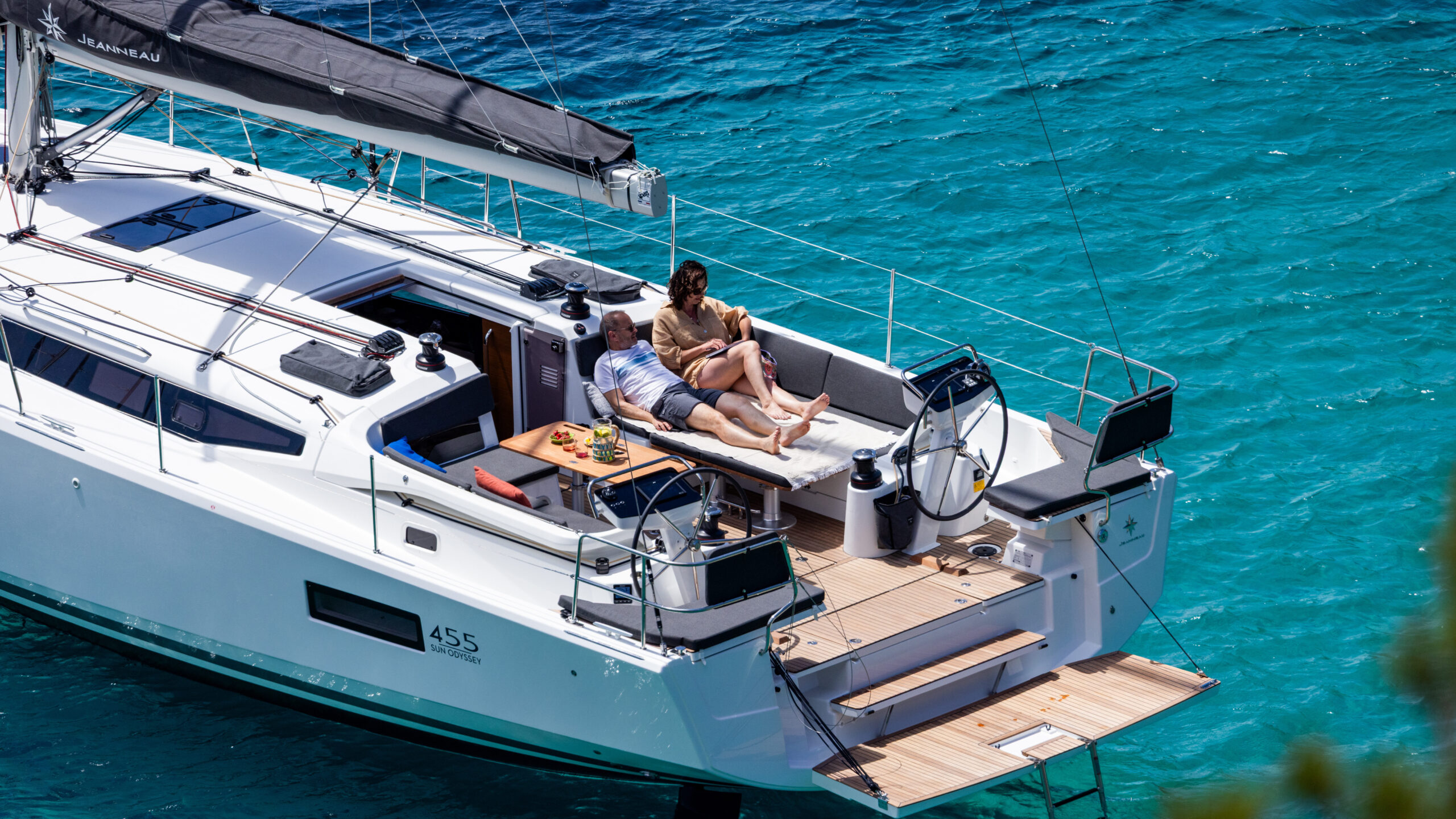
The Sun Odyssey 455 wants to convey a strong message: the sea is even more beautiful when experienced together, fostering many moments of complicity and a sense of well-being.
Sun Odyssey 455 – Technical specifications
| Overall length | 14.28 meters |
| Hull length | 13.74 meters |
| Beam | 4.49 meters |
| Draft | 2.30 meters (std) – 1.65 meters (reduced) |
| Displacement | 10,900 Kg |
| Engine | 57 hp (opt. 80 hp) |
| Water-diesel tanks | 380 liters – 200 liters |
Axopar 38 Sun Top is born with a clear idea, to share time at sea without visual and physical barriers between the driving position, the cockpit, and the aft deck.
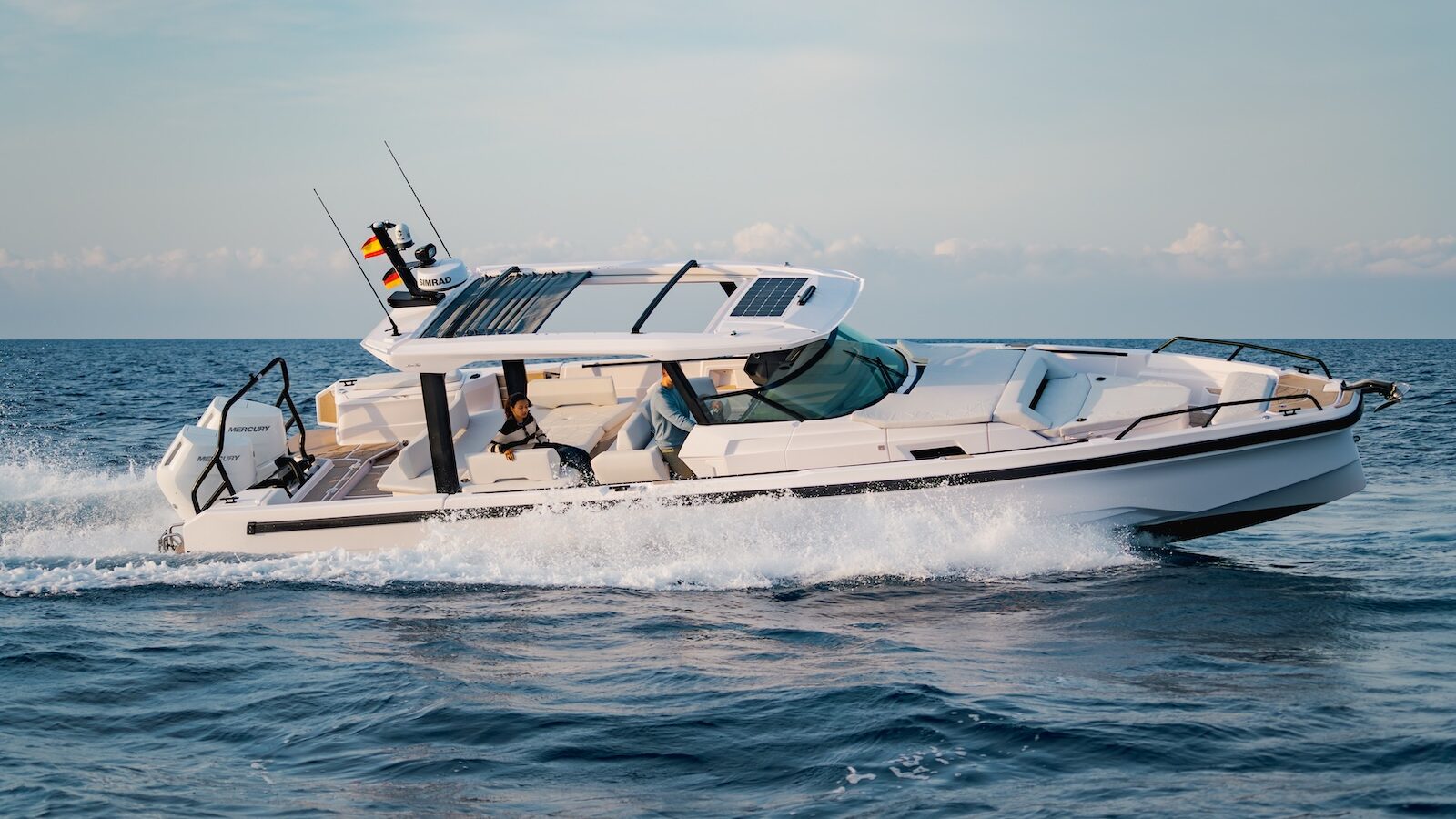
The 38 Sun Top combines the hull of the 38 XC Cross Cabin (presented at Boot Düsseldorf 2026) with an open and sociable layout while maintaining maneuverability and livability; the driving console, dining, and relaxation coexist in a single continuous space, allowing the boat to adapt to the evolving day rather than imposing how it should be used.
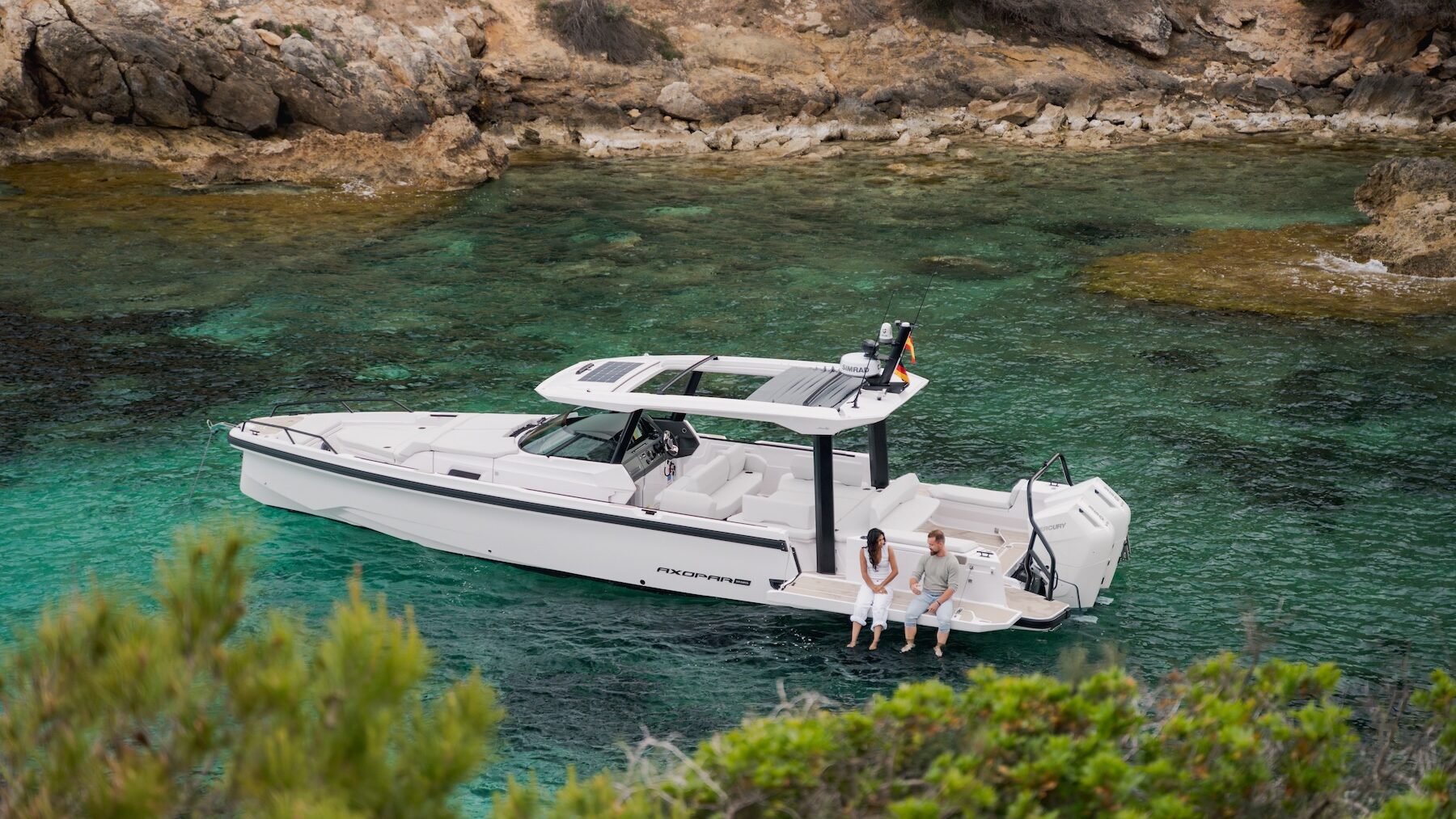
Axopar 38 Sun Top, flexible and social cockpit
The central section offers one of the most modular seating solutions in its category. The cockpit can be configured from single driver seats to a forward-facing U-shaped sofa, which transforms into a sunbed thanks to an adjustable height electric table. A driver’s sofa with lift-up cushions and a reversible backrest allows the space to naturally shift between driving, dining, and relaxing. With optional seating on the gunwales, the cockpit accommodates up to 10 people. The aft deck further extends this livability: opening platforms for activities and alternative layouts for fender storage expand the usable area and bring people closer to the sea while allowing for excellent storage.
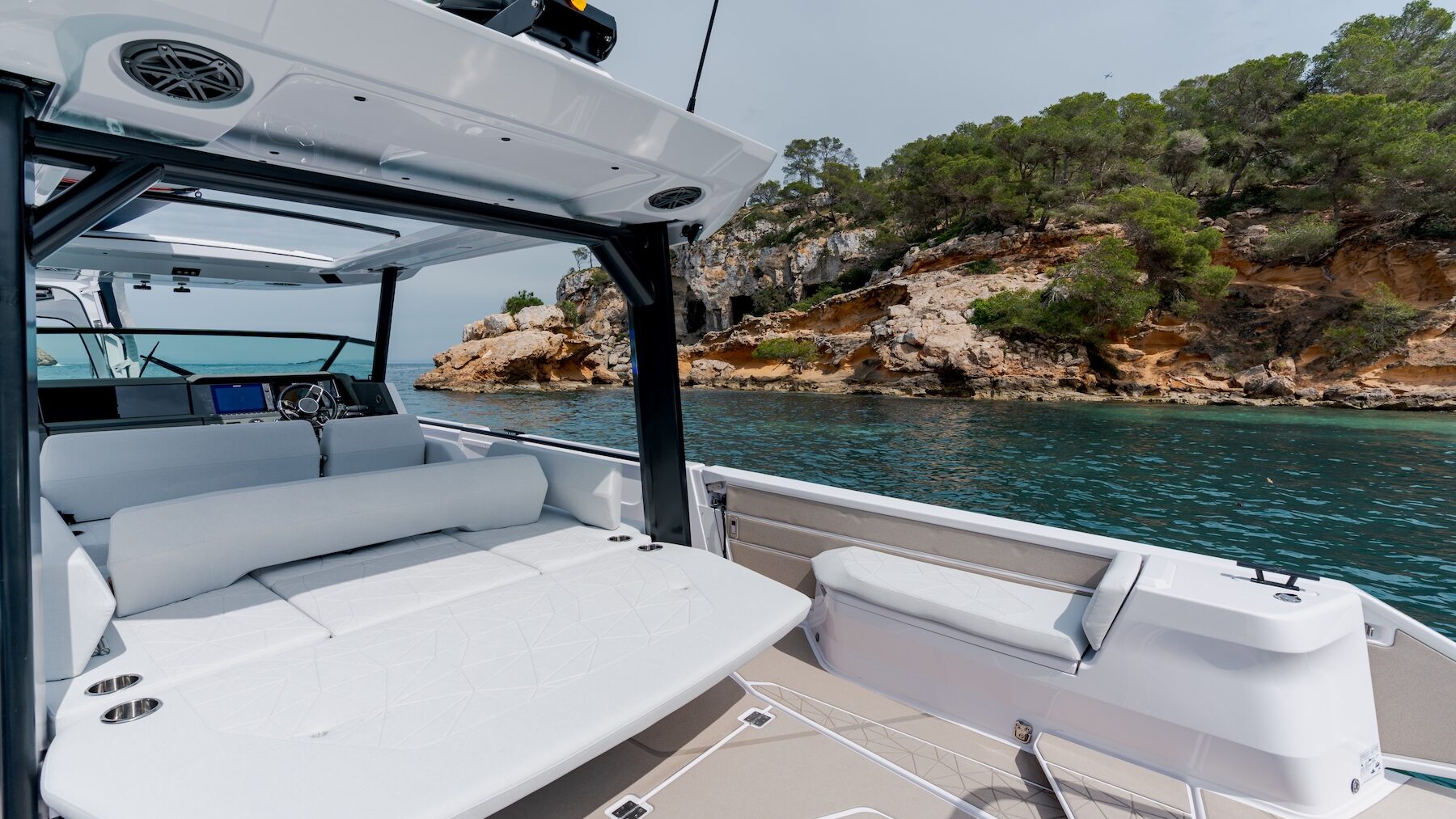
Although the 38 Sun Top has an “open” character, it remains true to every Axopar 38: a double-step V-hull with a sharp water entry, supported by an oversized stringer and transom system with structural rigidity and precise maneuverability at every speed. This same rigidity also contributes to noise reduction, creating a calmer onboard environment where conversation and relaxation are enjoyable even at cruising speeds.
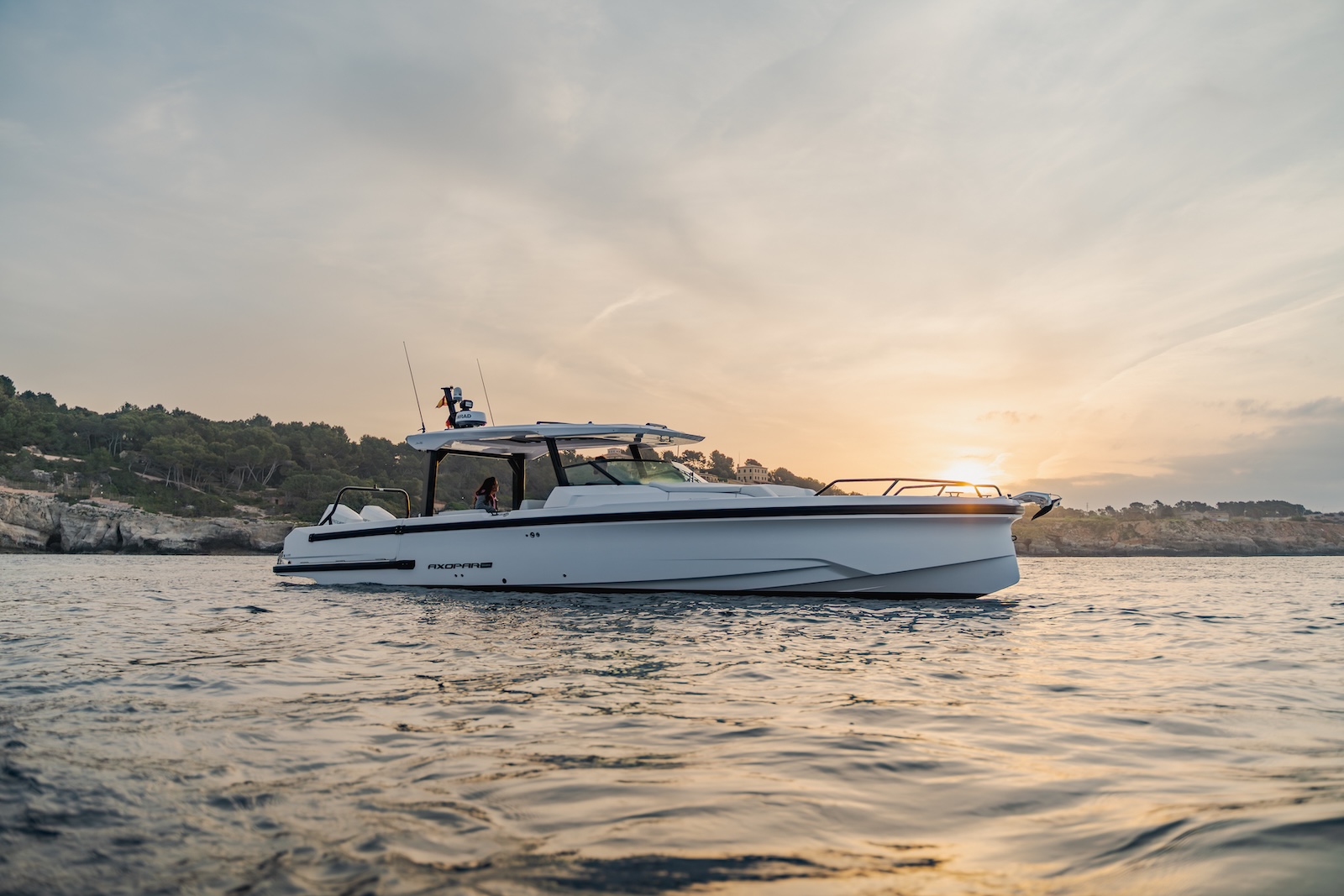
“Boating has never been just about the journey, but about the people you share it with. The Axopar 38 Sun Top is built around this simple idea, offering owners the freedom to shape their experience on the water while remaining true to the performance and quality that define the range.” — Jan-Erik Viitala, Co-Founder, Axopar
The bow is designed as a true social space for sitting, dining, relaxing, or sunbathing, whether underway or at anchor. Below deck, the forward cabin inherits the increased internal height, the new kitchen module, and the optional enclosed bathroom with shower that make the Axopar 38 a practical vessel for longer stays and not just for day trips. The forward cabin is bright and open, thanks to skylights and the option of gullwing doors for natural light and ventilation.
In September 2026, there will be another novelty from Axopar, as the new Cross Top is set to be presented, characterized by a forward-leaning windshield for greater sun protection. Together, the three models will form a complete and distinct offering in style and layout while remaining true to the same DNA that characterizes the Axopar yard: drivability, usability, modularity, and long-term value.