




 The source for international yachting & marine news



Les Voiles de Saint-Tropez 2026
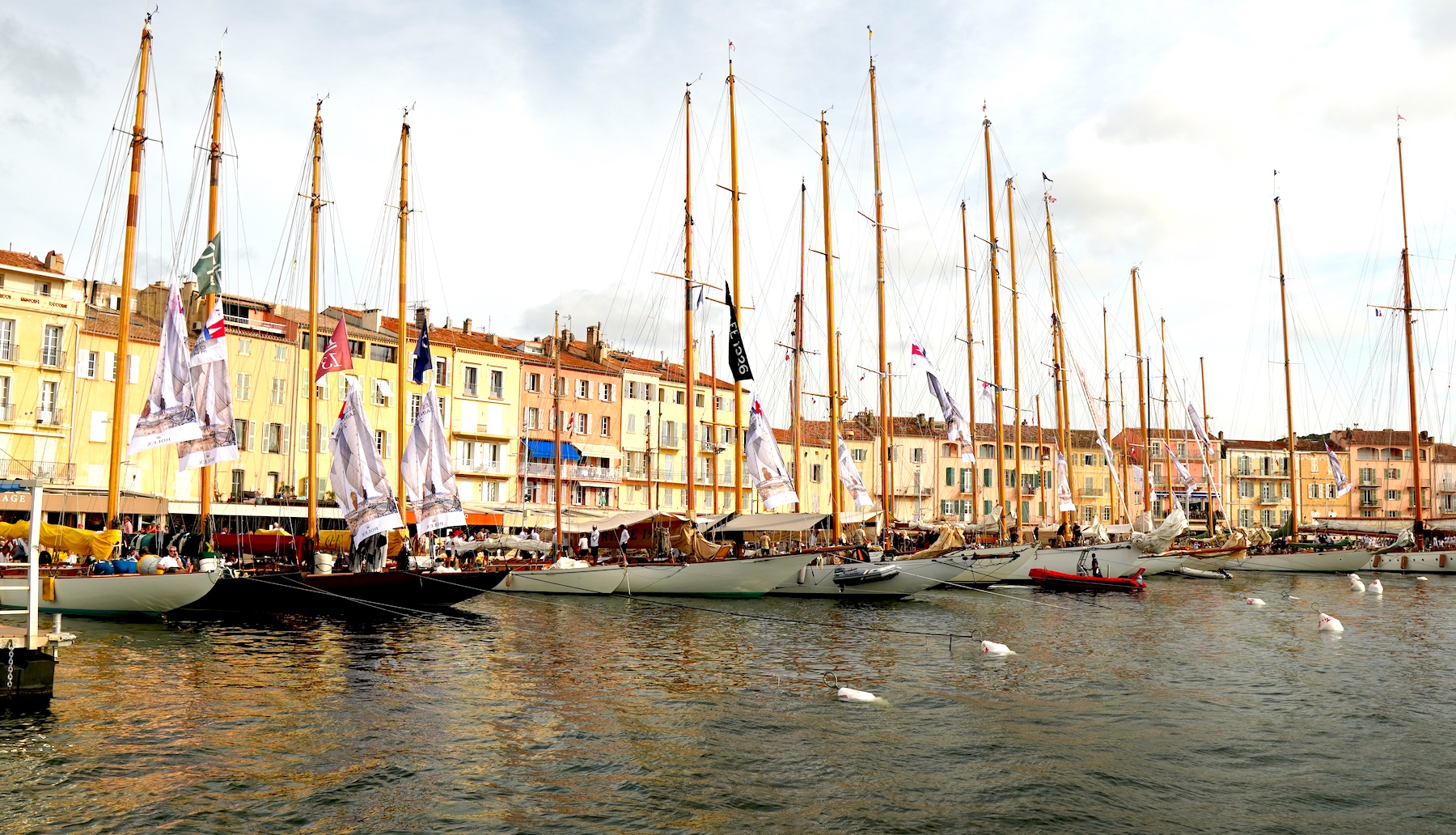
The Voiles de Saint-Tropez is one of the most exciting events for anyone who loves sailing and the beautiful ladies of the sea. Organized by the Société Nautique de Saint-Tropez, the event will bring together 253 sailboats for an exceptional program and a series of unique encounters.
Blending tradition and modernity, elegance and cutting-edge technology, the Voiles remain above all true to the Corinthian spirit instilled by Patrice de Colmont, who founded the Nioulargue in 1981 and passed away last year: the best racing on the water and the best atmosphere ashore.
Maxi: the giants take the stage
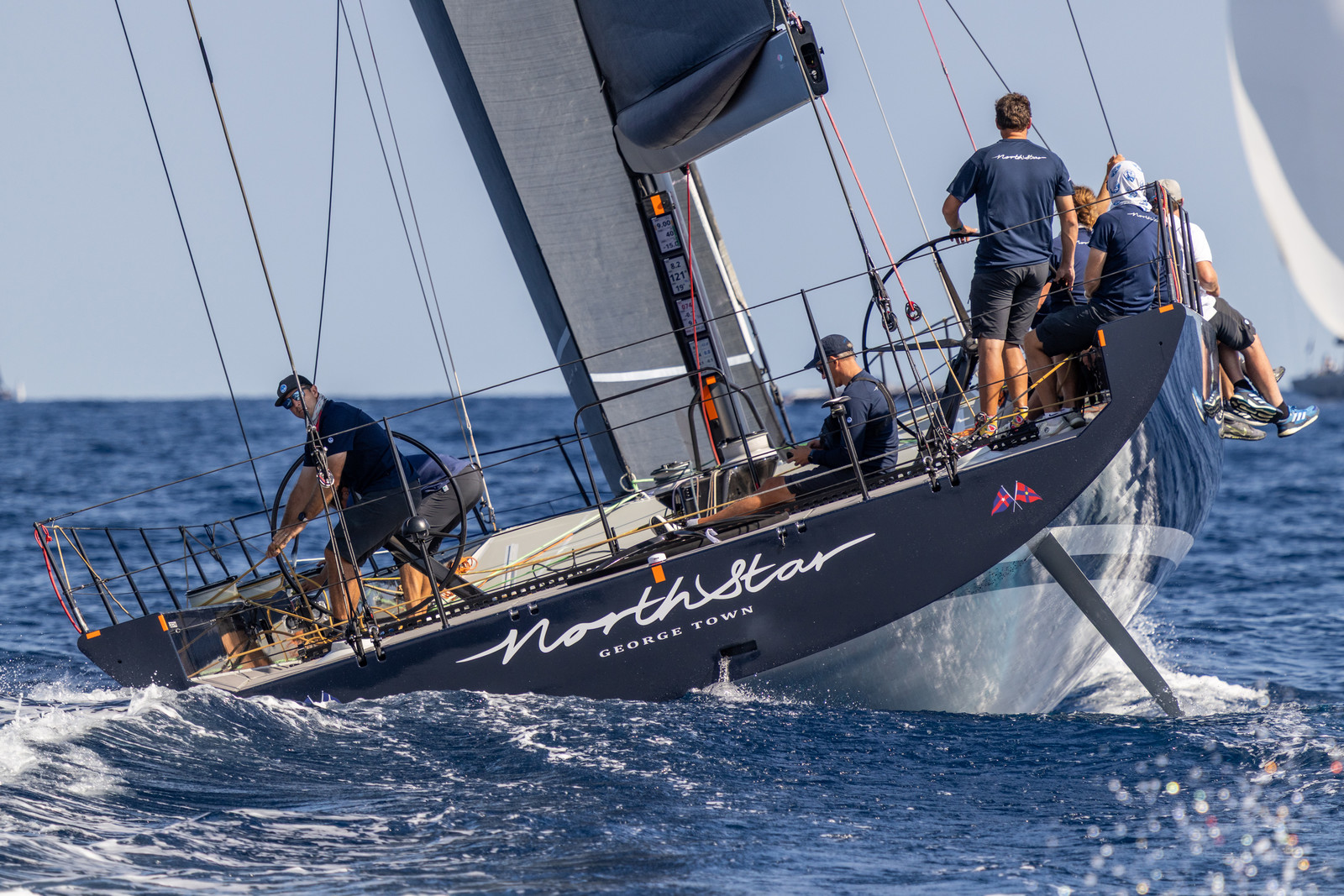
As many as 50 Maxis are expected for the 2026 edition of The Voiles de Saint-Tropez, which could set a new record and even surpass the 46 entries recorded in 2022. The fleet is divided into several classes, from Maxi 1, competing for the Trophée Edmond de Rothschild, through Maxi 5, including the Maxi Grand Prix (Maxi GP).
These large racing sailboats, measuring more than 18.28 meters (60 feet) in length, are classified not by tonnage but by performance, according to their rating. Thus, Atalante, a 39-meter Hoek design with a neoclassical look, competes in Maxi 5, while Capricorno, a radical 25-meter racer designed by Judel/Vrolijk, races in Maxi 1.
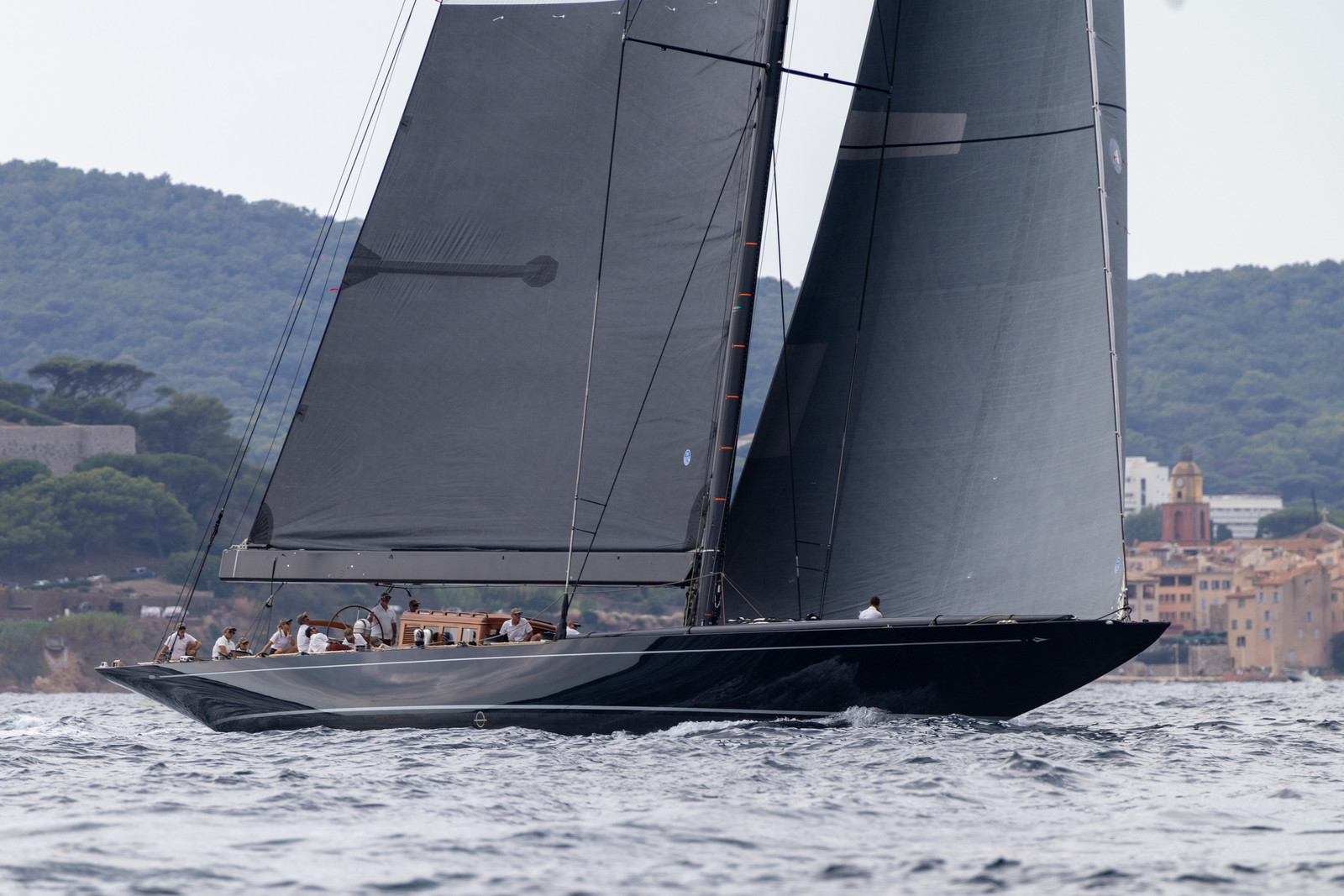
The highlight of this edition will be the presence of the three J Class yachts, Hanuman, Rainbow, and Svea, bringing a touch of America’s Cup history to the port of Saint-Tropez and the bay of Pampelonne.
Designed by Tore Holm in 1937, Svea is the latest addition to the J Class fleet, although it was not built until 2017. It was only after the architect’s death that the plans for the long-forgotten yacht were discovered in his archives. Holm, who was also an Olympic medalist and a passionate advocate of metric tonnage, designed Svanevit (“white swan”) around the same time—an 8-meter SI intended to compete in the 1940 Helsinki Olympic Games, which were never held.
He could hardly have imagined that Svea would one day be built, let alone cross paths with her younger sister, Svanevit. The family resemblance between the two designs is remarkable. It intrigued Guillaume Wattinne, who purchased Svanevit in the Netherlands in 2023 and brought her to the Mediterranean. The same sheerline, the same transom design, and a similar hull color: the 14.65-meter sloop is essentially a scaled-down version of Svea. For the first time, the giant J Class yacht and the 8-meter SI will share the same racecourse.
The Voiles de Saint-Tropez, tradition: performance and authenticity
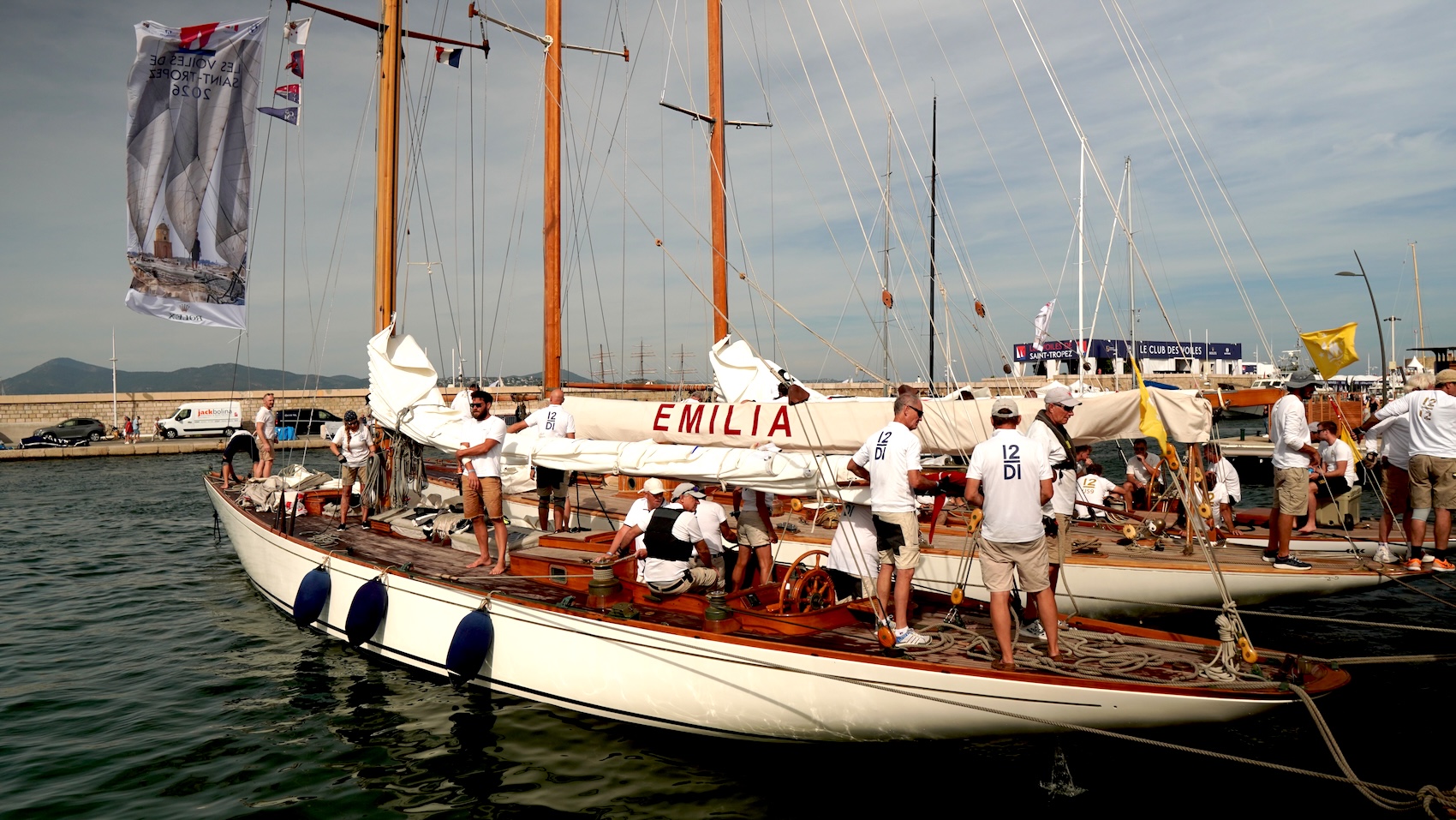
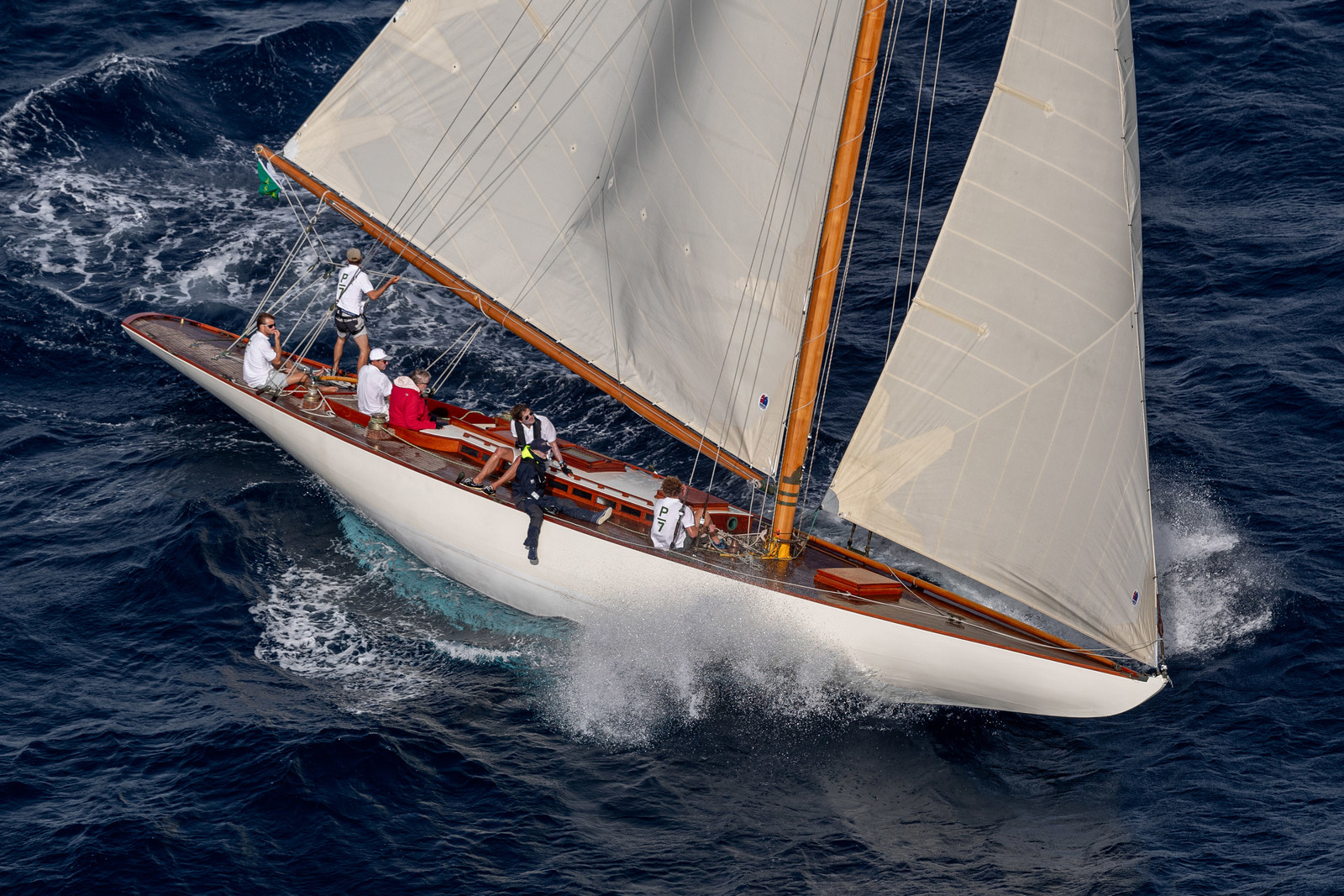
80 classic yachts, including more than 20 centenarians, will once again captivate those lucky enough to see this exceptional fleet in action. The fleet is a testament to the passion for maritime heritage across Europe and around the world and further confirms the prestige of The Voiles de Saint-Tropez as the largest gathering of historic yachts of its kind.
But perhaps the most remarkable aspect of the development of classic yachting worldwide is the key role played by the Nioulargue: its “tonnage,” sketched out on the corner of a table, directly contributed to the creation of the rating system of the International Mediterranean Committee (CIM). An influence born in Saint-Tropez that has since reached far beyond France.
Initially brought together for cruising races and gatherings, particularly in Italy during the 1990s, classic yachts became increasingly structured under the impetus of the Yacht Club de Monaco. This led to the development of a formal rating system by the CIM, which later became the International Mediterranean Committee for Classic Yachting (CIMVC). Today, the system assigns each yacht a rating calculated according to performance criteria weighted by an authenticity coefficient, allowing classic yachts to compete in regattas at an international level.
Some 1,100 yachts have been measured worldwide, and around 300 certificates are issued each year for Mediterranean regattas, making this region a key hub for classic yachting. A remarkable achievement for the CIM, which celebrates its centenary this year under the presidency of Italian sailor Luigi “Gigi” Rolandi, recently elected as part of the rotating presidency established by the Committee’s statutes. He is supported, among others, by Renaud Godard, Secretary General and Chairman of the Tonnage Committee, and Thierry Leret, Treasurer and Chairman of the Safety and Racing Committee.
The Corinthian spirit, in memory of Patrice
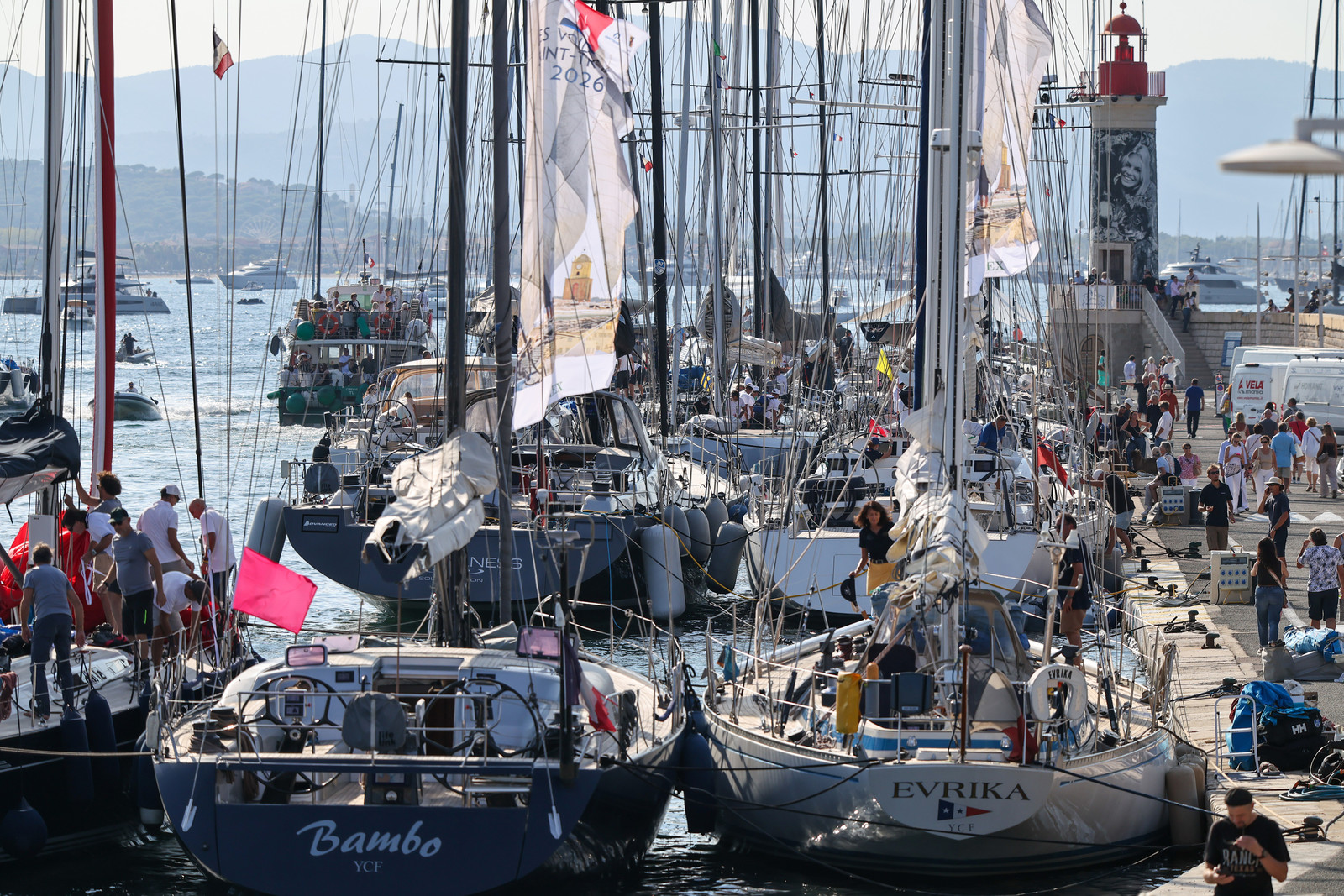
“Racing is too serious a matter to be left to the racers,” Patrice de Colmont might well have thought when he created the Nioulargue in 1981. Patrice was not a competitor—he preferred camping on the islands aboard Cocotte, the small mahogany dinghy built by Matonnat that he sailed as a child—but he loved the sea, beautiful boats, and the people who sailed them.
A master of improvisation but a skilled manager, an extraordinary storyteller and an attentive listener, a host to celebrities but also a friend of Pierre Rabhi and a passionate advocate of peasant agriculture, which he practiced himself to supply the kitchens of Club 55, the incomparable Patrice de Colmont managed to preserve the touch of lightness and audacity that allowed him to orchestrate and grow a week of racing that remains festive and unique in the world.
This year, the Club 55 Maxi Yacht Cup will see Balthasar (Maxi 72), the reigning champion, take on Tilakkhana II (Wally Cento) on Wednesday, while the two J Class yachts, Rainbow and Hanuman, will face each other in a match race, in the spirit of the America’s Cup.
For the Club 55 Cup on Thursday, defending champion Mariella, a 1938 yawl designed by Mylne, will take on Hallowe’en, the 1926 Bermuda cutter designed by Fife, which celebrates its centenary this year.
Two magnificent tributes, without a doubt.